
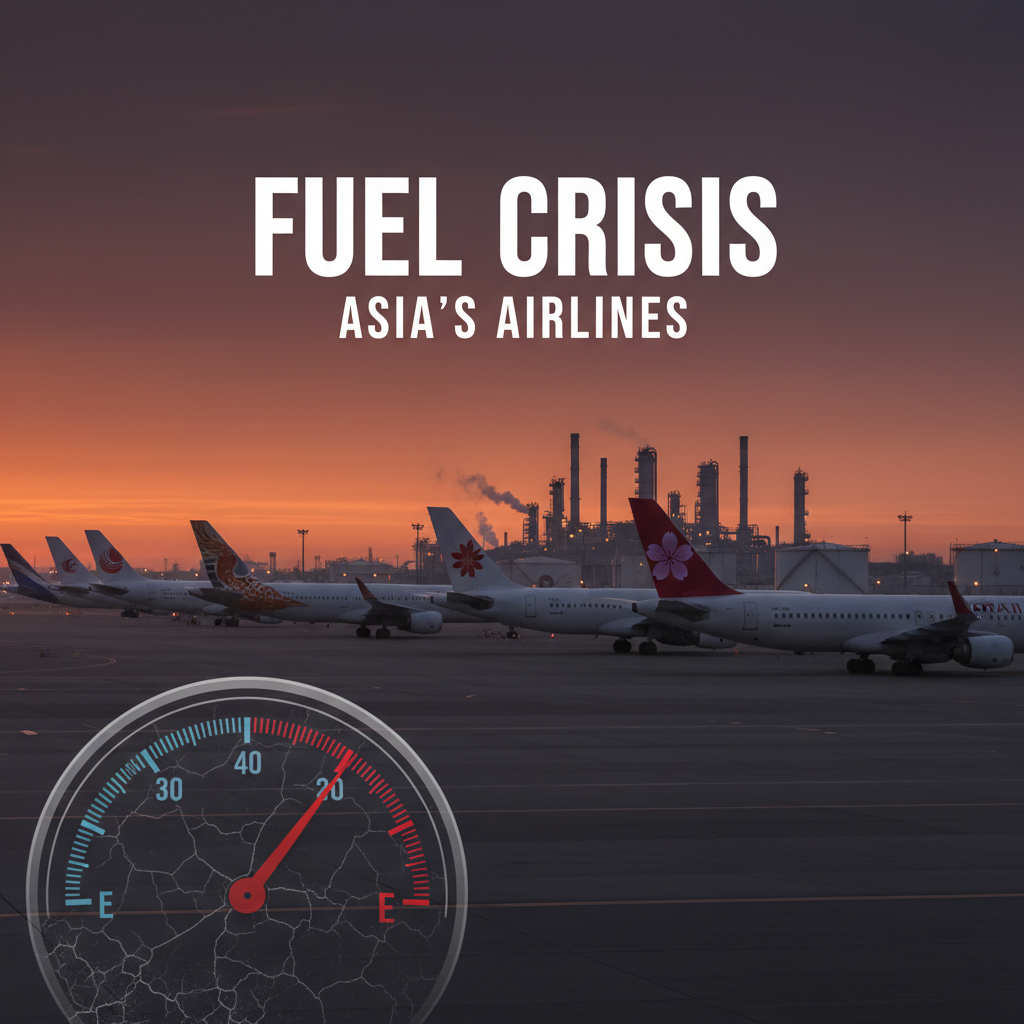
Asian Airlines Face Fuel Crisis: Fare Hikes and Groundings Loom
The aviation sector in Asia is bracing for turbulent times. A confluence of factors, primarily the escalating conflict in the Middle East, is threatening to send fuel prices soaring. This precarious situation has already prompted Asian airlines to take decisive, albeit concerning, actions. These include raising flight ticket prices and preparing to ground aircraft, moves that signal a looming crisis for the industry and, by extension, global air travel.
The Middle East Conflict: A Catalyst for Crisis
The heart of the matter lies in the volatile geopolitical landscape of the Middle East. The ongoing conflict poses a direct threat to the stability of oil prices, a critical element in the operational costs of any airline. A significant surge in oil prices, triggered by the conflict, could have far-reaching consequences. This includes the potential bankruptcy of some airlines, a scenario that would undoubtedly create significant disruption within the global air travel network.
Impact on Air Travel: Higher Fares and Flight Disruptions
The immediate impact of rising fuel costs is being felt by travelers. Asian airlines are increasing flight ticket prices to offset the escalating expenses. This means that passengers can expect to pay more for their journeys, potentially impacting travel plans and budgets. Beyond the immediate financial implications, flight disruptions are already becoming a reality. These disruptions create uncertainty for travelers, leading to potential delays, cancellations, and overall inconvenience.
Strategic Responses: Grounding Aircraft and Economic Realities
In response to the crisis, Asian airlines are considering, and in some cases, implementing aircraft groundings. This strategic move aims to reduce operational costs by decreasing the number of flights. However, grounding aircraft also means a reduction in capacity, potentially leading to fewer available seats and, paradoxically, could further drive up ticket prices. The economic realities are stark: airlines must balance the need to remain profitable with the need to maintain service levels. The current situation places immense pressure on airlines to navigate these difficult choices.
Broader Economic Implications: The Aviation Industry and Beyond
The challenges facing Asian airlines extend beyond their immediate operations. The ripple effects of this fuel crisis will impact the broader aviation industry and the global economy. Increased air travel costs could affect tourism, trade, and other economic activities. The situation underscores the interconnectedness of global markets and the vulnerability of various sectors to geopolitical instability. The aviation industry is a barometer for economic health, and the current situation paints a concerning picture.
Uncertainty Ahead: Navigating a Volatile Future
Looking ahead, the situation remains uncertain. The duration and intensity of the Middle East conflict will directly influence the trajectory of fuel prices and the health of the aviation industry. The decisions made by Asian airlines in the coming weeks and months will be critical in determining their survival and their ability to continue providing essential services. The impact on global air travel will likely be felt for some time, making it essential for travelers to stay informed and flexible with their plans.
Source: Industry-Economic Times
About the Author




![[A descriptive alt text for accessibility, max 125 characters]](https://globalsouthcapitaltimes.sortd.pro/wp-content/uploads/sites/7/2026/03/image-1772650928443-768x768.png)