Oil & Gas Prices Soar Amidst Escalating Iran War: A Macroeconomic Crisis
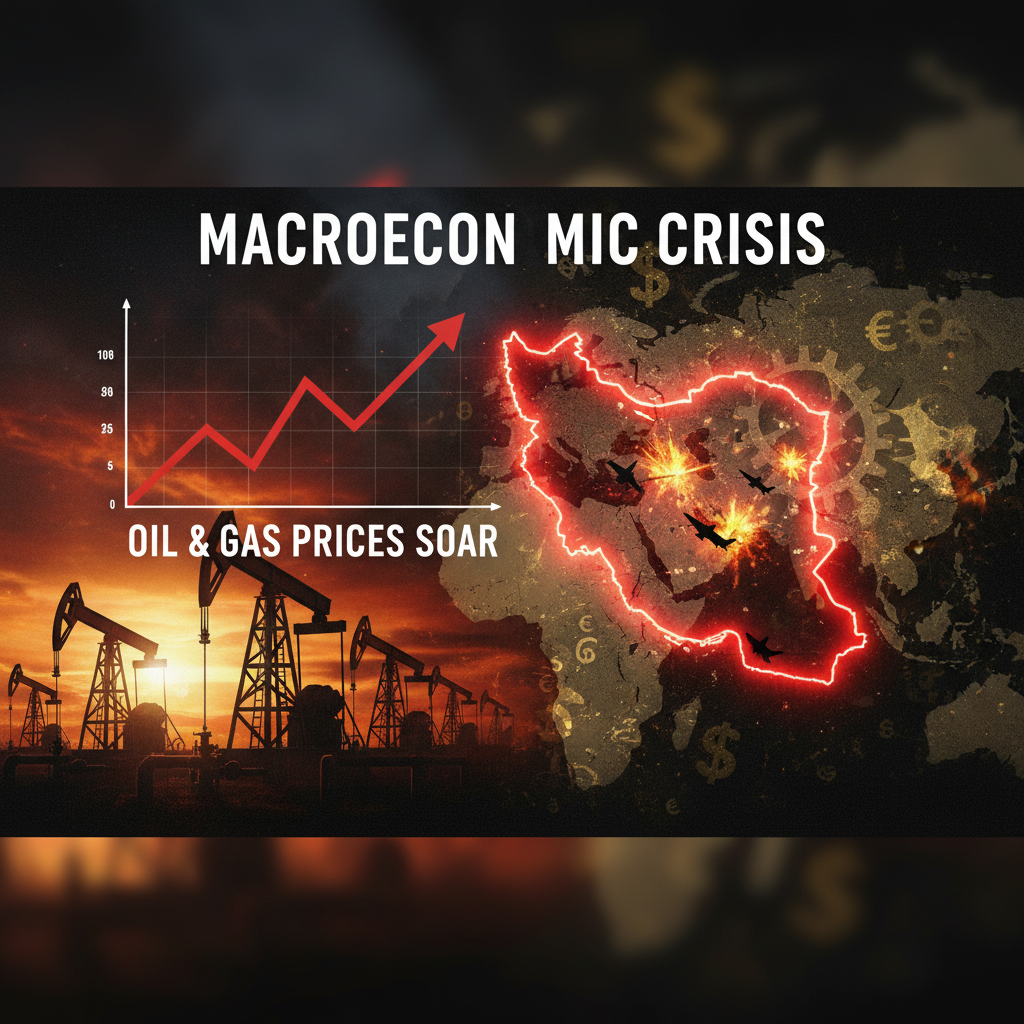
The global economic landscape is facing a significant challenge as oil and gas prices rapidly climb, fueled by the escalating conflict between the US, Israel, and Iran. This geopolitical instability, centered in the Middle East, is disrupting critical energy supplies and shipping routes, leading to a complex macroeconomic crisis. The situation demands immediate attention from both policymakers and businesses worldwide.
The Immediate Impact: Soaring Prices and Supply Disruptions
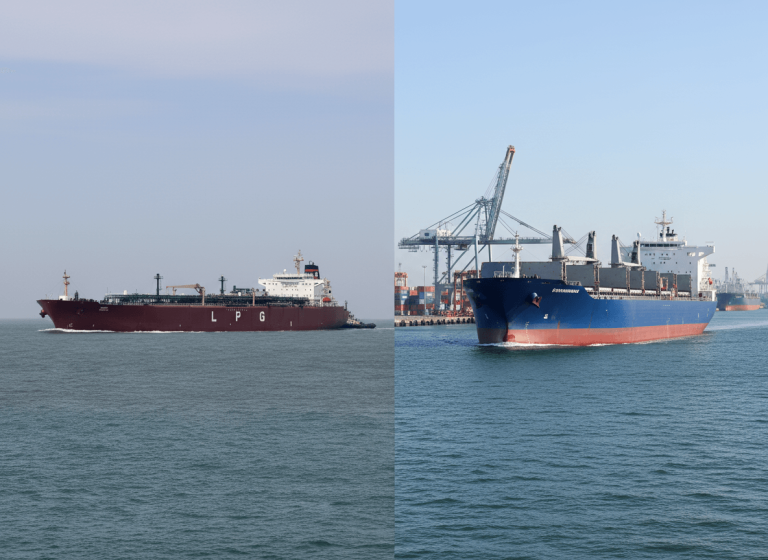
The core issue stems from the disruption of oil supplies. The attacks and the broader Middle East war have led to significant constraints on the movement of oil. Tankers, which typically transport approximately 20 million barrels of oil per day, are now stranded in the Persian Gulf due to safety concerns, particularly around the Strait of Hormuz. This critical choke point for global oil transport is now a high-risk area, further exacerbating the supply issues. The damage to oil and gas facilities has compounded the problem, reducing the available supply and driving prices upward.
The ‘Why’ Behind the Surge
The primary why behind the increase is the escalation of the conflict between the US, Israel, and Iran. The attacks, as reported by the Industry-Economic Times, have triggered a chain reaction, directly impacting the oil market. As the war intensifies, the risk to energy infrastructure and shipping lanes increases, which then further constrains the supply. This creates a classic scenario of decreased supply coupled with consistent demand, a combination that inevitably leads to higher prices.
Macroeconomic Consequences
The rising oil prices and gas prices have far-reaching consequences across various sectors. The economic impact is expected to be significant, potentially leading to increased inflation, reduced consumer spending, and slower economic growth. Businesses that rely heavily on energy, such as transportation, manufacturing, and logistics, will experience increased costs, which will likely be passed on to consumers. This inflationary pressure could prompt central banks to tighten monetary policy, further slowing economic activity. The situation underscores the interconnectedness of geopolitics and the global economy, as events in one region can have profound implications worldwide.
Navigating the Uncertainty
The current situation presents significant challenges and uncertainties. The duration and intensity of the conflict will be critical factors in determining the future trajectory of oil and gas prices. As the situation evolves, it is crucial for businesses and policymakers to monitor developments closely and to prepare for potential volatility in energy markets. This includes diversifying energy sources, implementing energy efficiency measures, and developing contingency plans to mitigate the impact of supply disruptions. The geopolitics of the Middle East will continue to shape the global economic landscape.
Conclusion
The surge in oil and gas prices, driven by the escalating conflict involving the US, Israel, and Iran, presents a serious challenge to the global economy. The disruption of energy supplies and the risks associated with shipping, particularly in the Strait of Hormuz, are creating a volatile environment. The macroeconomic consequences are significant, and require careful monitoring and proactive measures. The situation highlights the critical need for global cooperation and strategic planning to navigate this period of uncertainty.
About the Author