Northeast India’s Textiles: A Call for Cultural Respect in Fashion
The vibrant textiles of Northeast India are experiencing a moment in the fashion spotlight. However, this surge in popularity has brought to the forefront a critical issue: the appropriation of these traditional crafts by mainstream brands. As the demand for these unique fabrics grows, so too does the need for a more respectful and ethical approach to their use. This is the core concern raised by craft entrepreneurs and designers from the region, as reported by the Economic Times.
The Rising Trend and Its Challenges
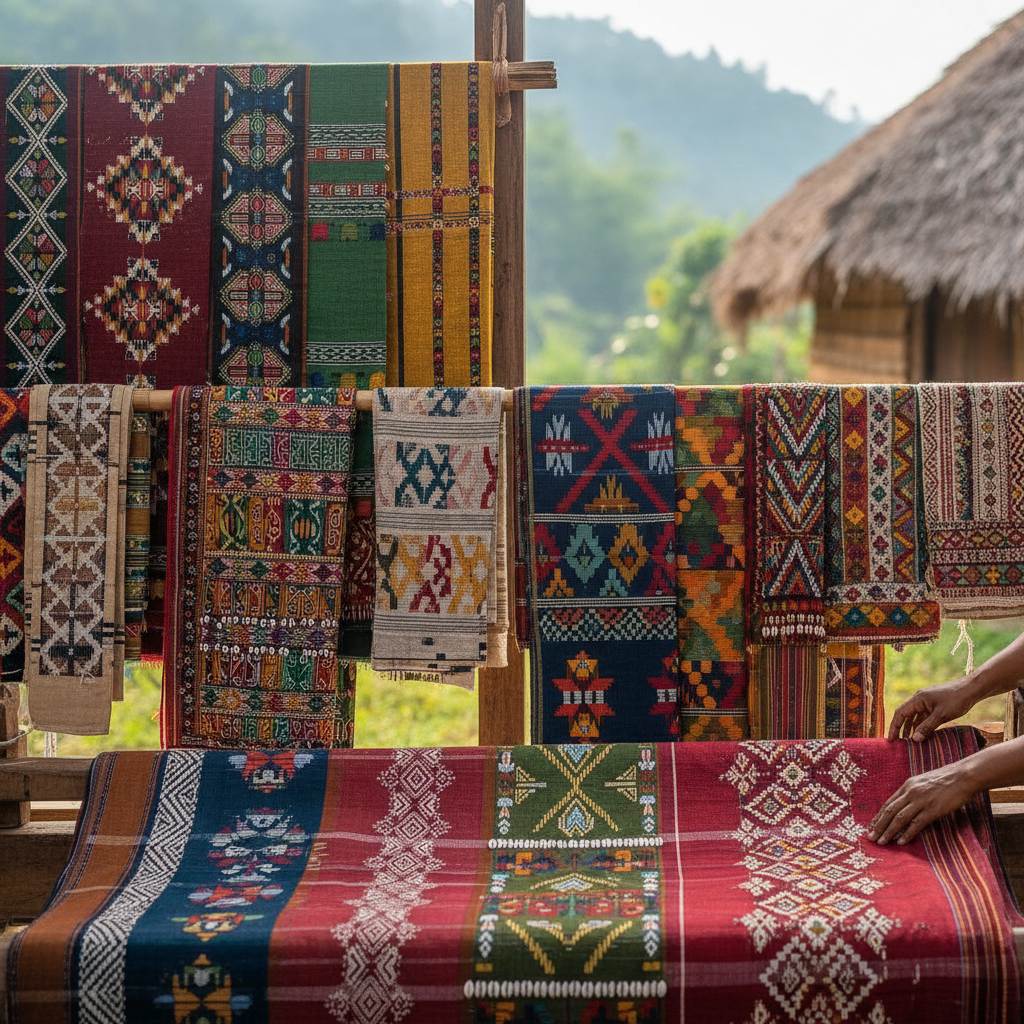
Northeast India, a region rich in cultural diversity, is home to a myriad of weaving traditions. Each tribe and community possesses its unique designs, techniques, and stories woven into the fabric. These textiles are not merely decorative items; they are embodiments of cultural identity, history, and the skills passed down through generations. When these textiles are trending, it is essential to acknowledge and honor their origins. Mainstream brands, in their pursuit of the latest trends, sometimes overlook the cultural significance, leading to instances of misrepresentation and a lack of proper attribution.
The Core Issues: Misrepresentation and Lack of Attribution
What is at stake here? The core issues revolve around what is being appropriated. This includes the designs, motifs, and even the names associated with specific communities and their textiles. Misrepresentation occurs when these elements are used without understanding or acknowledging their cultural context. This can lead to the trivialization of sacred symbols or the distortion of historical narratives. The lack of proper attribution means that the original creators, the artisans and communities who have painstakingly preserved these traditions, are not given due credit or recognition for their work. This can have significant economic consequences, as it undermines their ability to benefit from the growing market for their products.
The Role of Designers and Craft Entrepreneurs
Designers and craft entrepreneurs from Northeast India are at the forefront of this movement, advocating for fair practices and cultural sensitivity. They are not against the use of their textiles; rather, they are calling for a deeper level of engagement and respect. This includes a willingness to collaborate with artisan communities, understand the stories behind the weaves, and ensure that the artisans receive fair compensation and recognition for their work.
The Path Forward: Meaningful Engagement
How can the fashion industry address these concerns? The solution lies in meaningful engagement. This involves establishing direct relationships with artisan communities, learning about the cultural significance of the textiles, and ensuring that the artisans are involved in the design and production process. It also means providing fair wages, promoting their work, and ensuring that they benefit from the commercial success of their creations. Why is this important? Because it safeguards the cultural heritage and supports the economic empowerment of the communities. This approach moves beyond mere trend-chasing to create a more sustainable and ethical fashion ecosystem.
Conclusion
The increasing popularity of Northeast Indian textiles presents both an opportunity and a challenge. While the demand for these beautiful fabrics is growing, it is crucial that the fashion industry approaches their use with respect and sensitivity. By prioritizing cultural understanding, meaningful collaborations, and fair practices, mainstream brands can help preserve the rich heritage of Northeast India and ensure that the artisans who create these textiles are recognized and rewarded for their invaluable contributions.
About the Author