India’s Strategic Trade Triumph: Piyush Goyal on the US Deal
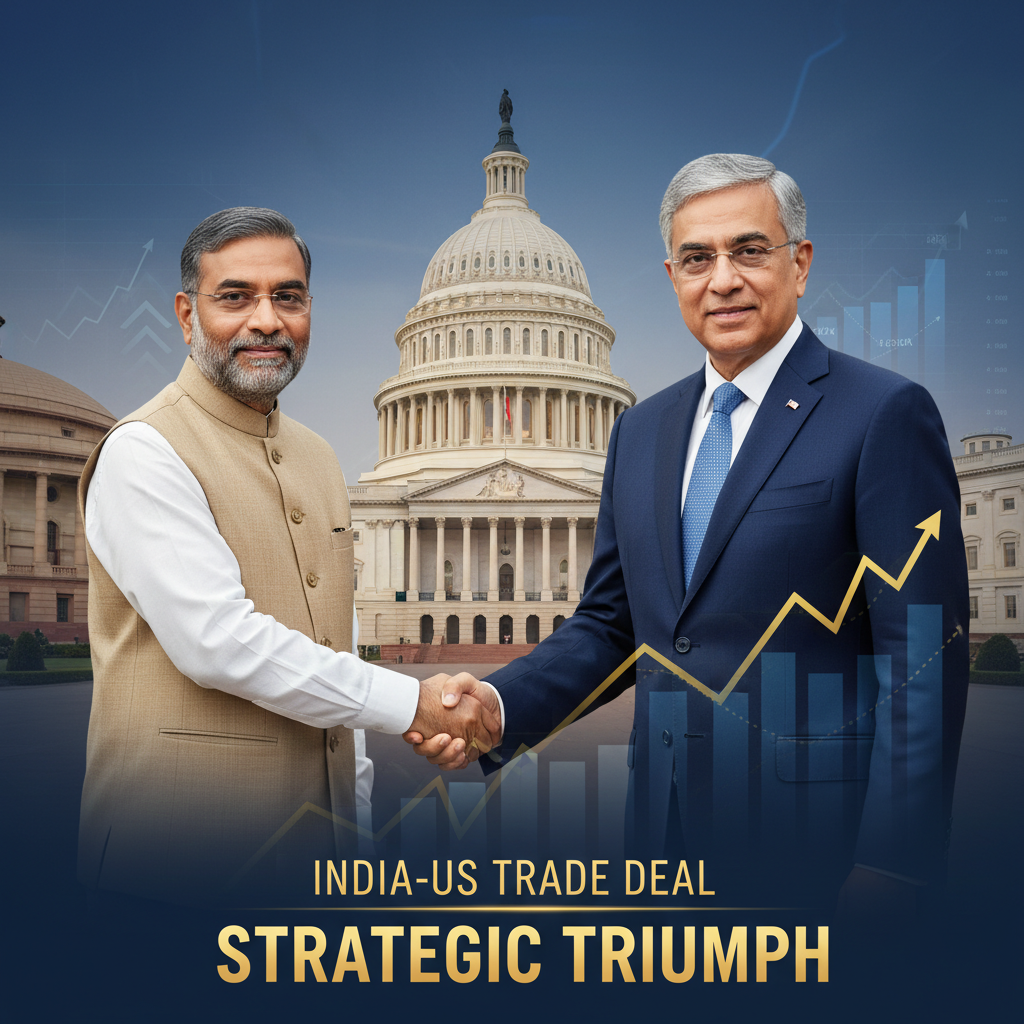
In a recent announcement, Piyush Goyal highlighted a significant achievement for India: securing what he described as the best trade deal with the US in Asia. This development underscores India’s proactive approach to building a robust global network of trade partnerships, a strategic move that reflects a keen understanding of global economic dynamics. Goyal’s emphasis on the US economy, the world’s largest, signals India’s commitment to not overlooking this key player.
The Strategic Importance of the US Market
The decision to prioritize and strengthen trade relations with the US is a strategic one. Goyal’s remarks highlight the US market’s undeniable significance, acknowledging its position as the world’s largest economy. This recognition is a core component of India’s broader strategy to enhance its economic footprint on the global stage. By fostering a strong trade relationship, India aims to tap into a vast market, opening up new avenues for growth and investment. This is a clear indicator of India’s commitment to a diversified and resilient economic strategy.
Building a Global Network of Trade Partnerships
Beyond the US deal, India is actively engaged in constructing a global network of trade partnerships. This expansive approach is designed to reduce dependence on any single market and to create a more stable and diversified economic environment. The initiative includes negotiating and establishing trade agreements with various countries, expanding India’s access to different markets and enhancing its competitiveness in the global economy. This strategy also aims to leverage diverse skills, resources, and technologies, which will contribute to India’s overall economic resilience and growth.
Implications for Macroeconomics and Policy
The focus on securing trade deals and building partnerships has significant implications for both macroeconomics and policy. These efforts directly influence India’s GDP growth, employment rates, and overall economic stability. Furthermore, these trade initiatives necessitate adjustments in policy, including trade regulations, customs procedures, and investment incentives. As India navigates these changes, it will be crucial to ensure that its policies are aligned with its strategic trade objectives and that they facilitate rather than hinder economic growth. This proactive approach to trade policy is critical for India’s continued success in the global arena.
Conclusion
In conclusion, Piyush Goyal‘s emphasis on the trade deal with the US and the broader initiative of building a global network of trade partnerships signifies India‘s proactive stance in global trade. This strategic direction not only strengthens India‘s economic position but also underscores its commitment to fostering a more diversified and resilient economic framework. As India continues to navigate the complexities of global trade, its strategic approach will be key to its continued growth and success.
About the Author