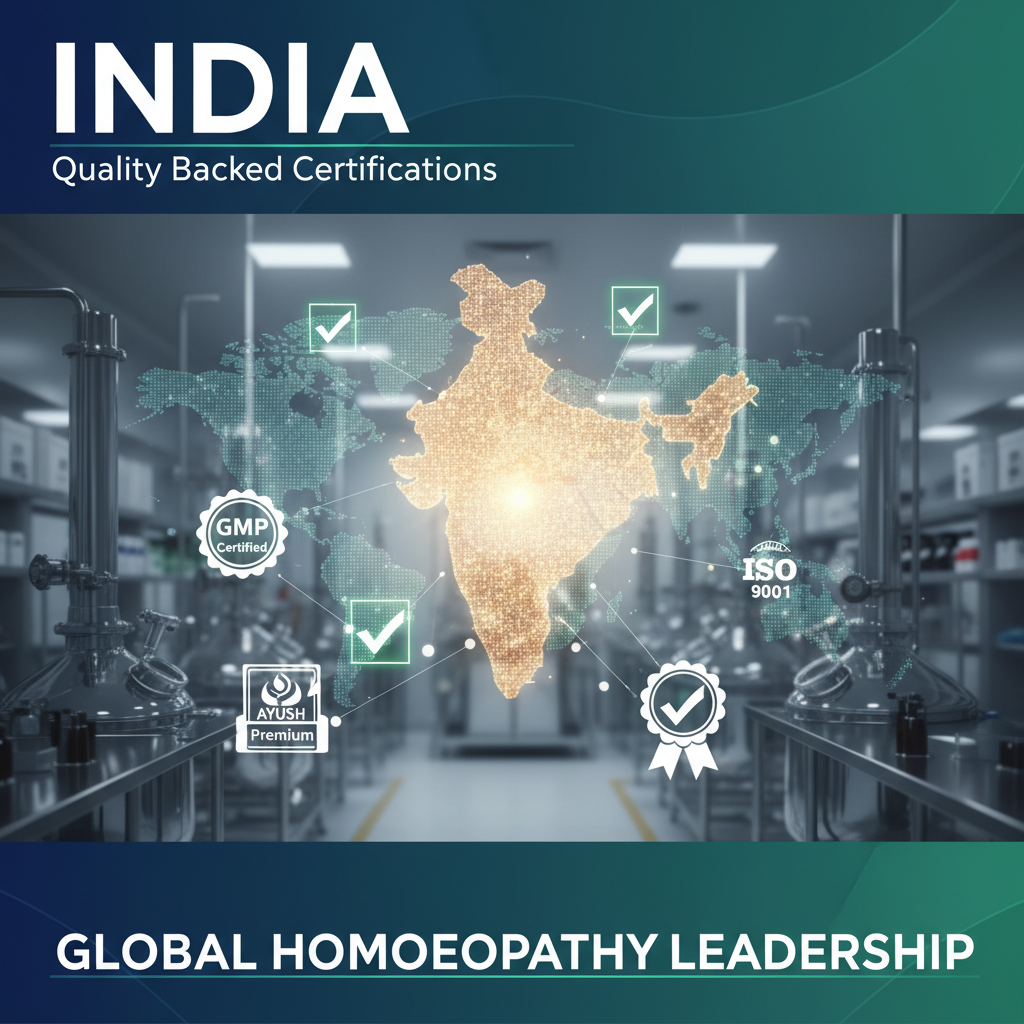
India Poised to Dominate Global Homoeopathy Market, Backed by Quality Certifications
The global homoeopathy landscape is undergoing a significant shift, and India is positioned to take the lead. This emerging dominance is not just a matter of chance; it’s the result of a confluence of factors, including robust clinical expertise, extensive practitioner networks, and, crucially, a commitment to quality standards as highlighted by the Economic Times.
The Rise of Indian Homoeopathy
The Indian homoeopathy market is experiencing a period of rapid growth. This expansion is driven by several key elements. Firstly, the depth of clinical expertise within the country is substantial, creating a strong foundation for the development and promotion of homoeopathic treatments. Secondly, the presence of well-established practitioner networks ensures accessibility and widespread adoption. These networks facilitate the sharing of knowledge, best practices, and the collective advancement of the field. Finally, and perhaps most critically, the Indian homoeopathy sector is embracing internationally recognized quality certifications.
Quality as a Cornerstone of Growth
Quality certifications are becoming increasingly important in the global pharmaceutical and medical devices industries. In the context of homoeopathy, certifications like the AYUSH Premium Mark and NABL accreditation are pivotal. These certifications assure consumers and international stakeholders of the standards of manufacturing, product efficacy, and overall reliability. The AYUSH Premium Mark, for instance, reflects adherence to specific quality benchmarks, while NABL accreditation ensures that laboratories meet stringent international standards for testing and calibration. These measures are essential for building trust and credibility in the global market.
The Role of Indian Brands
Indian brands are now strategically positioned to challenge the dominance of established European players in the homoeopathy market. This shift is not merely about competition; it represents a move towards a more diverse and globally representative industry. By embracing quality certifications and investing in research and development, Indian manufacturers are equipping themselves to meet the rigorous demands of the international market. This proactive approach underscores India’s commitment to delivering high-quality homoeopathic products and services on a global scale.
A New Era for Homoeopathy
The convergence of clinical expertise, strong practitioner networks, and the adoption of internationally recognized quality certifications is creating a new era for homoeopathy, with India at its forefront. This moment represents a significant turning point, not only for the Indian pharmaceutical and medical devices sectors but also for the global healthcare landscape. As India continues to invest in quality and innovation, it is poised to not only lead the market but also to set new standards for excellence in homoeopathic medicine.
The WHO (World Health Organization) recognizes traditional medicine, including homoeopathy, as a significant part of global healthcare. India’s rise in this sector aligns with the WHO’s broader goals of promoting access to safe, effective, and quality healthcare options worldwide. As Indian brands become more prominent, they are expected to contribute to the global expansion of homoeopathy, making it more accessible to a wider audience.
Conclusion
In conclusion, India’s trajectory in the global homoeopathy market is marked by a commitment to quality, a robust network of practitioners, and a deep well of clinical expertise. The adoption of quality certifications such as the AYUSH Premium Mark and NABL accreditation is a testament to the industry’s dedication to meeting international standards. This strategic focus positions Indian brands to not only compete with but also to lead the market, shaping the future of homoeopathy worldwide.
About the Author