Delhi Metro Expands: New Lines Boost Connectivity Across the Capital
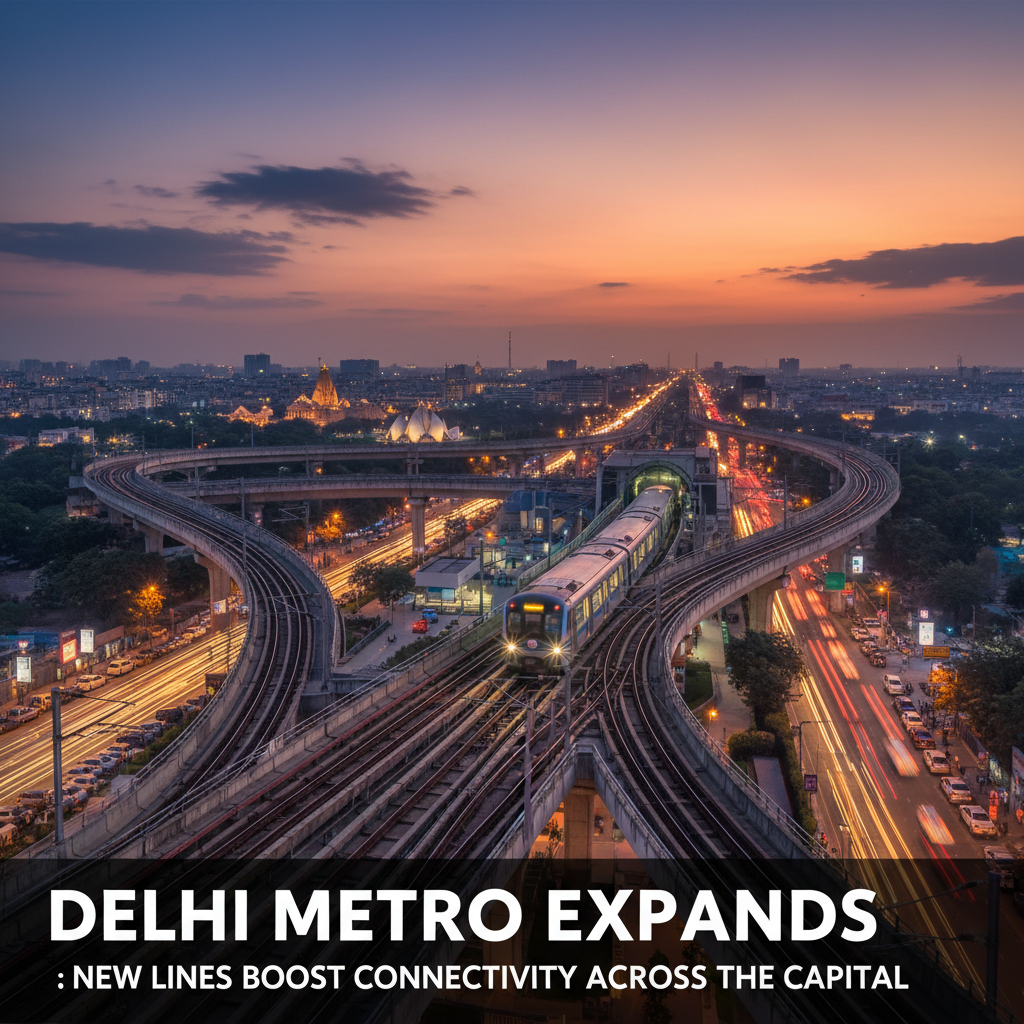
In a significant step forward for Delhi’s infrastructure, the Delhi Metro has expanded its network with the commencement of operations on the Pink and Magenta Line extensions. The inauguration, which took place on Sunday afternoon, marks a pivotal moment in enhancing connectivity across the city and its surrounding areas. This expansion, spearheaded by the Delhi Metro Rail Corporation (DMRC), is set to provide substantial benefits to residents and commuters alike.
A Network for the Future
The expansion of the Delhi Metro network is more than just an infrastructural upgrade; it represents a commitment to improving the quality of life for Delhi’s residents. The new lines are designed to alleviate traffic congestion and reduce travel times, making daily commutes more efficient. The extended lines aim to connect key locations, including Noida and the airport, thereby fostering greater integration within the National Capital Region (NCR).
Prime Minister Narendra Modi played a key role in this expansion, inaugurating the new sections and laying the foundation for three additional Metro lines. This proactive approach underscores the government’s dedication to improving public transport and urban infrastructure. The initiative is particularly crucial in a rapidly growing metropolis like Delhi, where efficient and accessible public transport is essential.
Enhancing Connectivity and Accessibility
The new Metro lines are strategically designed to serve several areas that previously lacked adequate public transport options. This expansion will allow residents to access various parts of the city with greater ease, promoting economic and social opportunities. The Delhi Metro’s commitment to accessibility extends beyond mere transportation; it encompasses a broader vision of urban development that prioritizes the needs of the community.
Key Highlights of the Expansion
- Enhanced Connectivity: The new lines significantly improve the ease with which residents can travel across Delhi and to key locations like Noida and the airport.
- Reduced Travel Times: By providing faster and more efficient routes, the Metro expansion helps reduce travel times for commuters.
- Infrastructure Development: The project is a part of the broader infrastructure development plans, contributing to the overall growth of the region.
- Economic Benefits: Improved transport links are expected to boost economic activity and create new opportunities for businesses and residents.
The Role of Narendra Modi
Prime Minister Narendra Modi’s involvement in the inauguration and foundation-laying ceremonies highlights the government’s commitment to infrastructure development. His presence signifies the importance of these projects in the national agenda. The focus on public transport aligns with broader goals to reduce traffic congestion, improve air quality, and promote sustainable urban development.
Looking Ahead: Future Phases
The Delhi Metro expansion is an ongoing process, with future phases planned to connect more areas and improve the overall network. These plans include further extensions to enhance accessibility and provide a more comprehensive public transport system for the city. The long-term vision is to create a seamless, integrated network that supports the needs of a growing population.
Conclusion
The commencement of operations on the Pink and Magenta Line extensions represents a significant milestone in the evolution of Delhi’s public transport system. With the backing of Prime Minister Narendra Modi and a forward-thinking approach to urban development, the Delhi Metro is poised to play a crucial role in shaping the future of the capital. This expansion not only enhances connectivity but also contributes to a more sustainable and accessible urban environment. The project exemplifies a commitment to improving the lives of Delhi’s residents and promoting economic growth through strategic infrastructure investments.
Source: Industry-Economic Times
About the Author