US Reinsures Gulf Maritime Losses, Bolstering Confidence in Oil & Gas Trade
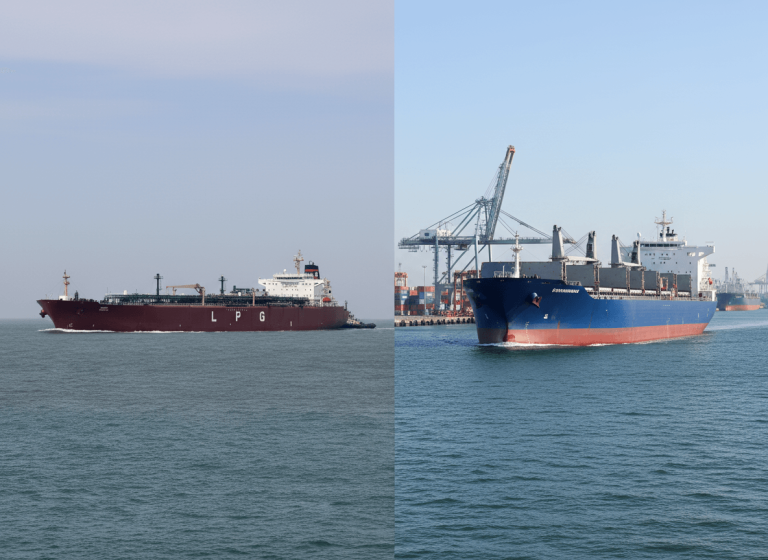
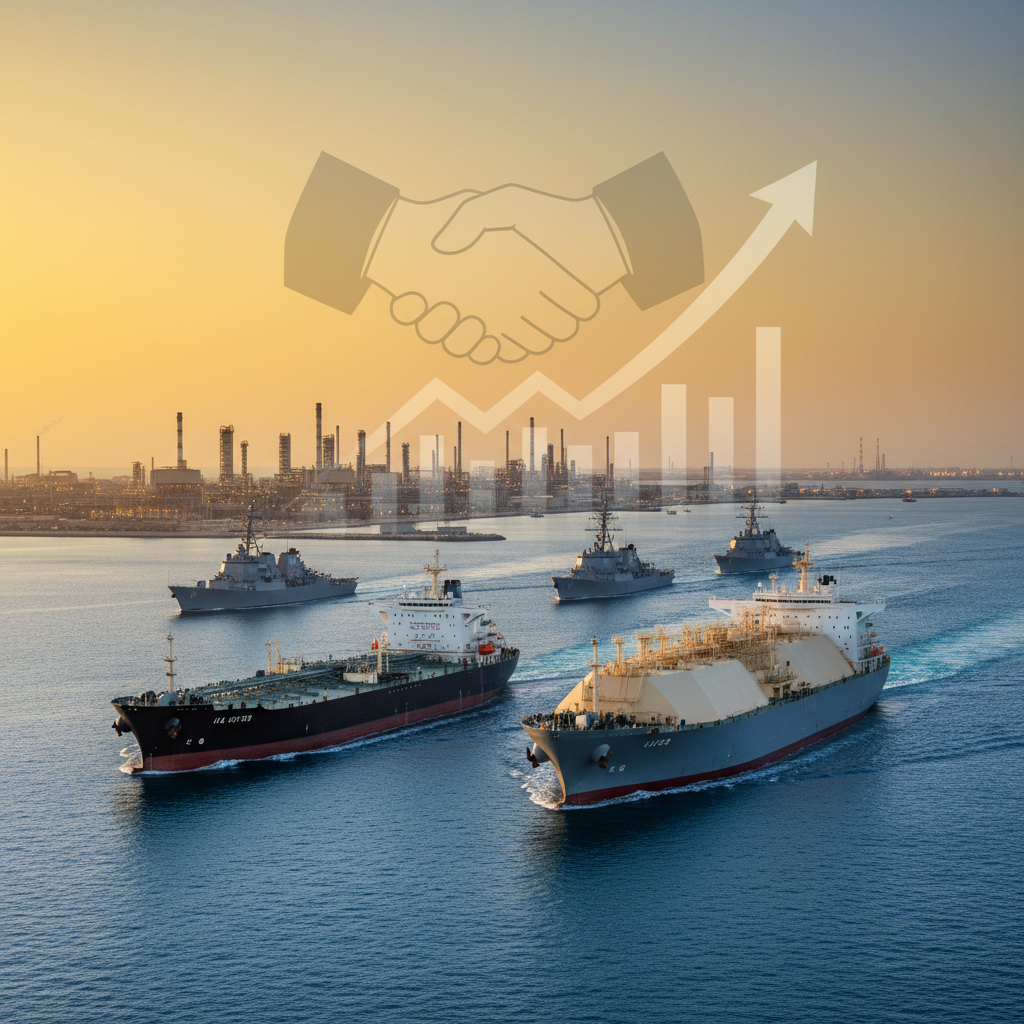
In a significant development for the energy sector and international trade, the United States is stepping in to offer substantial reinsurance for maritime losses in the Gulf region. This initiative, backed by the U.S., aims to provide a financial safety net for oil and gas shippers, thereby bolstering confidence and ensuring the continued flow of vital resources. The move comes as a direct response to the turbulent geopolitical climate, particularly the ongoing tensions in the region.
A $20 Billion Safety Net
The core of this policy involves providing up to $20 billion in reinsurance. This financial commitment is designed to cover potential losses in the maritime sector, specifically those linked to political risks. The U.S., through the DFC, is offering political risk insurance and financial guarantees. This approach underscores the U.S.‘s commitment to stabilizing trade routes and supporting the energy industry during uncertain times. The DFC‘s role is crucial in this endeavor, as it provides the necessary framework for financial guarantees.
Addressing Challenges in the Strait of Hormuz
The decision to offer reinsurance is particularly relevant given the strategic importance of the Gulf region and the Strait of Hormuz. This area is a critical chokepoint for global oil and gas shipments. The U.S.‘s move is a direct response to disruptions in maritime trade that occurred after transit in the Strait of Hormuz halted. By mitigating the risks associated with operating in this sensitive area, the U.S. hopes to encourage continued trade and supply chain stability. The DFC‘s involvement highlights the importance of financial instruments in navigating complex geopolitical scenarios.
Key Players and Their Roles
Several key players are instrumental in this initiative. President Trump ordered the DFC to provide the financial backing. The DFC will provide political risk insurance and financial guarantees for maritime trade. This action reflects a proactive stance by the U.S. to safeguard trade interests and support the energy sector. The U.S.‘s intervention is not just a financial measure; it is a strategic move to ensure stability and predictability in a volatile region.
Supporting Oil and Gas Shippers
The primary beneficiaries of this reinsurance program are oil and gas shippers. Why is this important? The program aims to bolster confidence for oil and gas shippers. By reducing the financial risks associated with shipping, the U.S. seeks to maintain the flow of energy resources, which is critical for global economies. The initiative is a clear signal of support for the energy sector and a commitment to ensuring uninterrupted trade. The provision of financial guarantees is a strategic move, designed to support trade despite the ongoing war.
The Broader Context: Trade and Geopolitics
Amid the war on Iran, this reinsurance program takes on even greater significance. The U.S. is navigating a complex geopolitical landscape, and this initiative is part of a broader strategy to manage risks and maintain stability in the region. The program is a demonstration of the U.S.‘s commitment to supporting international trade and protecting its economic interests. The U.S. is using reinsurance as a key tool in its foreign policy arsenal.
Conclusion
The U.S.‘s decision to reinsure maritime losses in the Gulf region is a strategic move with significant implications for the energy sector and international trade. By offering up to $20 billion in reinsurance, the U.S. aims to stabilize trade routes, support oil and gas shippers, and navigate the complex geopolitical environment. This initiative, spearheaded by President Trump and implemented by the DFC, underscores the importance of financial guarantees in mitigating risks and maintaining global economic stability. This is a clear demonstration of the U.S.‘s commitment to ensuring the continued flow of critical resources.
Source: Industry-Economic Times
About the Author