Indian Railways Electrification Fortifies Energy Security Amid Global Instability
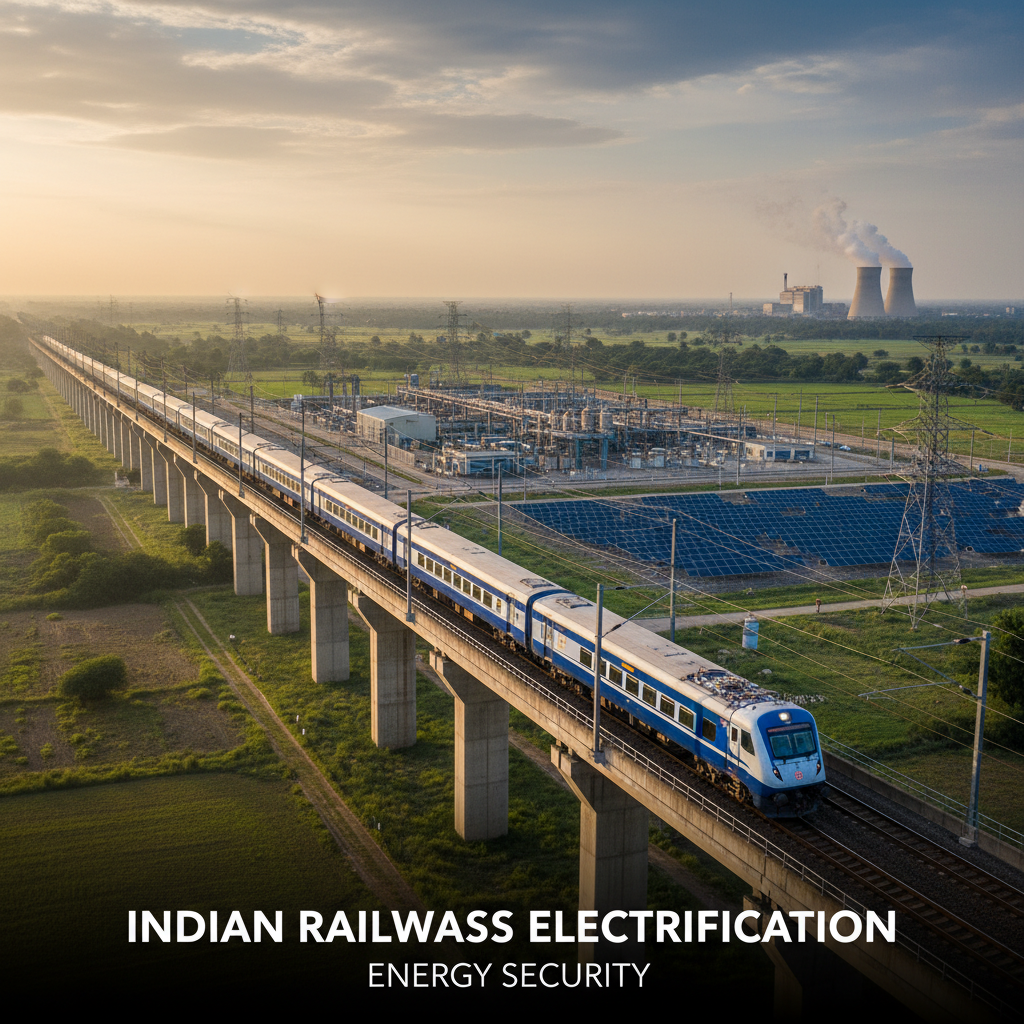
In a world marked by geopolitical uncertainties and volatile energy markets, India’s strategic investments in its railway infrastructure are proving to be a masterstroke. Indian Railways, spearheaded by its commitment to modernization, has nearly completed the electrification of its entire Broad Gauge network. This ambitious undertaking is not merely an upgrade; it is a critical step towards bolstering the nation’s energy security and mitigating risks associated with global oil supply disruptions, particularly during times of tension in regions like West Asia.
A Shift Away from Fossil Fuels
The core of this transformative initiative lies in the significant reduction of diesel consumption. By switching to electricity, Indian Railways is saving millions of liters of diesel annually. This transition has a cascading effect, lowering operational costs and, more importantly, reducing the nation’s dependence on imported oil. The move aligns perfectly with the ‘Make in India’ initiative, as it fosters the utilization of domestic electricity generated from various sources, including renewable energy.
Strategic Advantages and National Preparedness
The electrification project is a testament to the proactive approach of Indian Railways in anticipating and addressing potential challenges. The initiative directly addresses the ‘what’ of the situation by reducing the impact of fluctuations in global oil prices and supply chain disruptions, especially those that could arise ‘when’ tensions escalate in regions like West Asia. This strategic foresight enhances India’s national preparedness, ensuring that the country’s vital transportation infrastructure remains operational and resilient, irrespective of external factors.
Economic and Environmental Benefits
Beyond energy security, the electrification program offers substantial economic and environmental advantages. Reduced fuel costs translate into significant savings, improving the financial sustainability of Indian Railways. Furthermore, the shift to electric locomotives contributes to a decrease in greenhouse gas emissions, aligning with India’s commitment to combat climate change. The ‘how’ of this transformation – through electrification – is a clear demonstration of sustainable infrastructure development.
Policy, Sectors, and Macroeconomic Impact
From a policy perspective, the electrification of Indian Railways is a cornerstone of the government’s strategy to enhance energy independence and promote sustainable economic growth. This initiative reflects a broader focus on infrastructure development within the ‘sectors’ category, driving investments and creating jobs. At a ‘macro’ level, the reduction in oil import dependency has a positive impact on the country’s balance of payments, contributing to overall economic stability.
The ‘why’ behind this push for electrification is multi-faceted: to cushion oil supply risks, boost energy security, lower operational costs, and strengthen national preparedness. These interconnected goals highlight the strategic importance of the project, ensuring that India remains well-positioned to navigate the complexities of the global energy landscape.
Conclusion
The electrification of Indian Railways is a forward-thinking initiative that showcases India’s commitment to sustainable development, energy security, and economic resilience. By reducing reliance on fossil fuels and embracing domestic electricity, India is not only insulating itself from external shocks but also setting a precedent for other nations to follow. As geopolitical dynamics continue to evolve, the strategic foresight of Indian Railways in electrifying its network will undoubtedly pay dividends, ensuring a more secure and prosperous future for the nation.
Source: Industry-Economic Times
About the Author