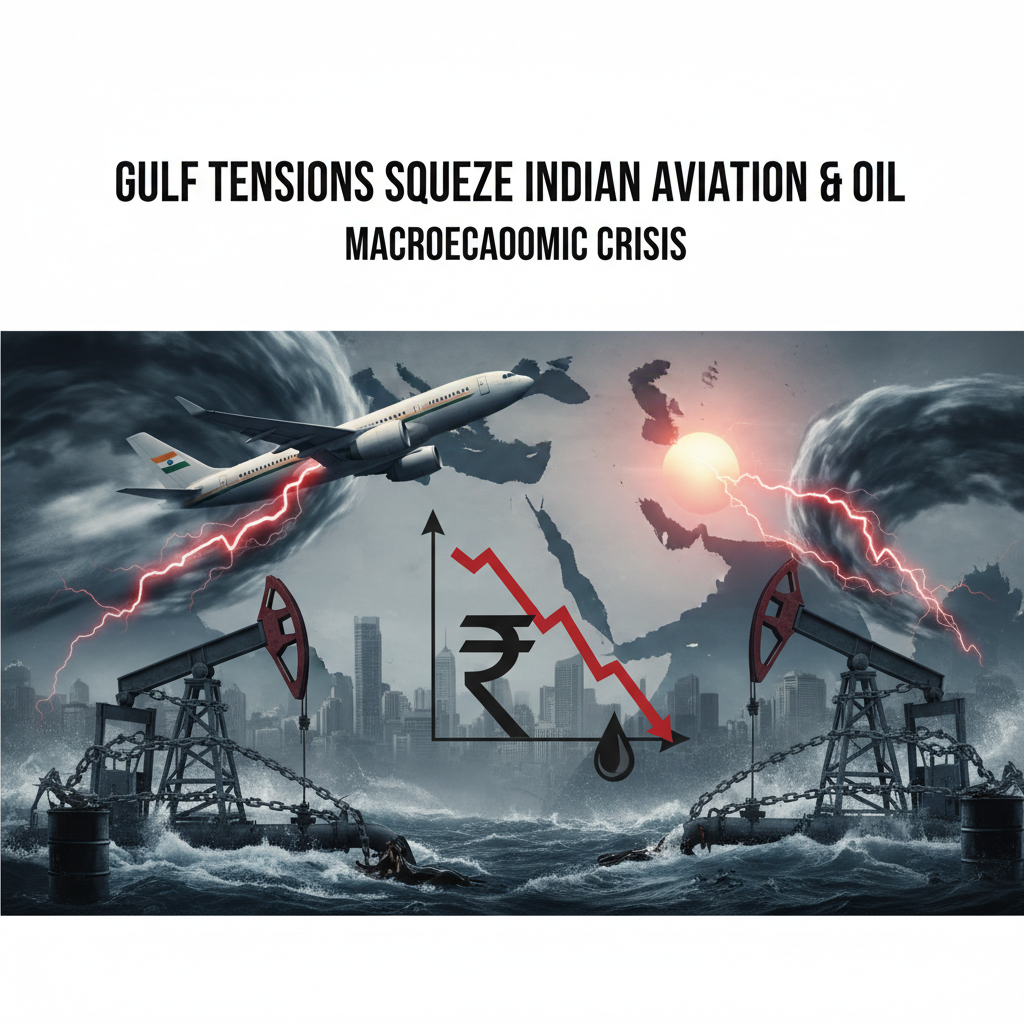
Gulf Tensions Squeeze Indian Aviation & Oil: A Macroeconomic Crisis
The escalating geopolitical tensions in West Asia are casting a long shadow over India’s economic landscape, particularly impacting its aviation sector and oil imports. This complex situation, rooted in regional instability, presents a multifaceted challenge for the Indian government and businesses alike. The ripple effects of this conflict are already being felt, and the future demands careful navigation.
Aviation Sector Under Pressure
Indian airlines are bearing the brunt of the escalating conflict. According to reports from the Economic Times, the Indian airlines are grappling with a dual threat: soaring jet fuel prices and increased insurance premiums. These rising costs are directly impacting their operational capabilities, leading to financial strain and a pressing need for government aid. The situation is further complicated by the added pressure of maintaining regular flights to the region, especially for essential evacuations.
The Civil Aviation Minister has met with airline representatives to address the challenges, highlighting the severity of the situation. This proactive engagement underscores the government’s recognition of the urgency and the need for coordinated strategies to mitigate the impact. The challenges facing the aviation sector underscore the interconnectedness of global events and their impact on local economies.
Oil Imports: A Delicate Balancing Act
Simultaneously, India’s oil supply chain is facing significant disruption. Indian refiners are actively preparing to boost their Russian crude imports. This strategic move comes in the wake of a limited 30-day US waiver, designed to ease potential supply disruptions stemming from the ongoing Iran conflict. The shift towards Russian crude represents a calculated attempt to secure energy resources amidst geopolitical uncertainties.
However, this strategy is not without its limitations. The Gulf region traditionally supplies nearly half of India’s crude imports. Relying solely on Russian imports cannot entirely replace the critical volume from the Gulf. This imbalance highlights the vulnerability of India’s energy security and the necessity for diversifying its import sources and mitigating geopolitical risks. The US waiver, while providing temporary relief, is not a long-term solution.
Macroeconomic Implications and Policy Responses
The confluence of rising fuel costs, increased insurance premiums, and potential supply disruptions creates a challenging macroeconomic environment. The government faces the complex task of balancing economic stability with national security interests. This delicate balancing act demands proactive policy interventions, strategic diplomatic efforts, and a long-term vision for energy security and economic resilience.
The situation underscores the importance of diversifying supply chains, investing in renewable energy sources, and strengthening diplomatic ties with key partners. The government’s response will be critical in shaping the trajectory of India’s economic resilience in the face of these escalating global tensions. The interplay of Gulf tensions, Indian aviation, and oil imports demands a comprehensive approach.
The Road Ahead
The situation is dynamic, and the future remains uncertain. The Gulf tensions and their impact on Indian aviation and oil imports require constant monitoring and adaptive strategies. The government, industry stakeholders, and policymakers must work collaboratively to navigate these challenges and ensure the continued growth and stability of the Indian economy. The ability to adapt and respond effectively will determine India’s success in weathering this storm.
As per the source, Economic Times, the situation demands constant vigilance and proactive measures to safeguard India’s economic interests. The current crisis serves as a critical reminder of the interconnectedness of global events and the need for robust risk management strategies.
About the Author