Asia’s Fuel Crisis: Supply Strains and Rising Prices
The energy landscape in Asia is undergoing a significant transformation, marked by escalating challenges in fuel supply. The confluence of geopolitical tensions and disruptions to key shipping routes is creating a perfect storm, placing immense pressure on energy buyers across the continent. This situation, fueled by the ongoing US-Israel conflict with Iran, is leading to a series of repercussions, from price hikes to potential shortages.
The Root of the Problem: Geopolitical Instability
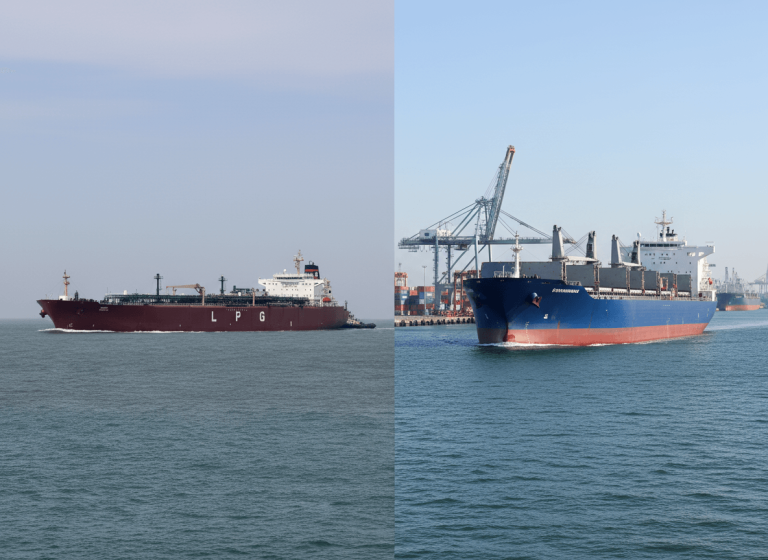
At the heart of Asia’s fuel supply woes lies the escalating US-Israel conflict with Iran. This conflict has far-reaching implications, most notably the disruption of critical oil and gas supply routes. The Strait of Hormuz, a vital chokepoint for global oil and gas transport, has seen a near-halt in traffic. This disruption is a direct result of the conflict, as the region’s instability makes it increasingly difficult and risky to transport essential energy resources.
Impact on the Ground: Queues, Price Hikes, and Shortages
The impact of these disruptions is already visible across Asia. Energy buyers, including major economies like India and others dependent on imports, are feeling the pinch. The immediate consequences include queues at fuel stations, price hikes at the pump, and the looming threat of shortages. While global oil prices have risen, they have not yet reached the peaks seen during previous crises, but the on-the-ground impact is undeniable.
The Role of Key Entities
Several entities are central to this unfolding crisis. Energy buyers in Asia are bearing the brunt of the supply chain disruptions, facing increased costs and logistical challenges. Iran, a key player in the region, is at the center of the conflict, influencing the flow of oil and gas. The US and Israel are also critical actors, with their actions and policies directly affecting the stability of supply routes and the global oil market.
The Strait of Hormuz: A Critical Chokepoint
The Strait of Hormuz is a critical chokepoint, with almost all traffic through it coming to a standstill. This strategic waterway is essential for the transportation of oil and gas from the Middle East to Asia and other parts of the world. Any disruption in this area has a ripple effect, impacting global energy markets and creating vulnerabilities for import-dependent nations.
Looking Ahead
The situation is dynamic, and the future remains uncertain. The ongoing conflict and the resulting instability in the region will likely continue to impact fuel supplies and prices. Energy buyers across Asia will need to navigate these challenges, seeking alternative supply routes, diversifying their energy sources, and implementing strategies to mitigate the impact of price volatility and potential shortages.
The current fuel supply strain is a stark reminder of the interconnectedness of global energy markets and the vulnerability of import-dependent nations to geopolitical risks. As the situation evolves, it will be crucial for stakeholders to remain vigilant, adapt to changing circumstances, and prioritize energy security.
About the Author