West Asia Conflict’s Ripple Effect: Jets, Shipping, & Drug Prices Surge
The ongoing conflict in West Asia is casting a long shadow, its effects rippling across multiple sectors. From the skies above the United Arab Emirates to the bustling shipping lanes and the critical pharmaceutical industry, the instability is creating both challenges and opportunities. This analysis, informed by recent reports, delves into the specific impacts, painting a picture of a region grappling with uncertainty and economic shifts.
Private Jets: A High-Flying Escape
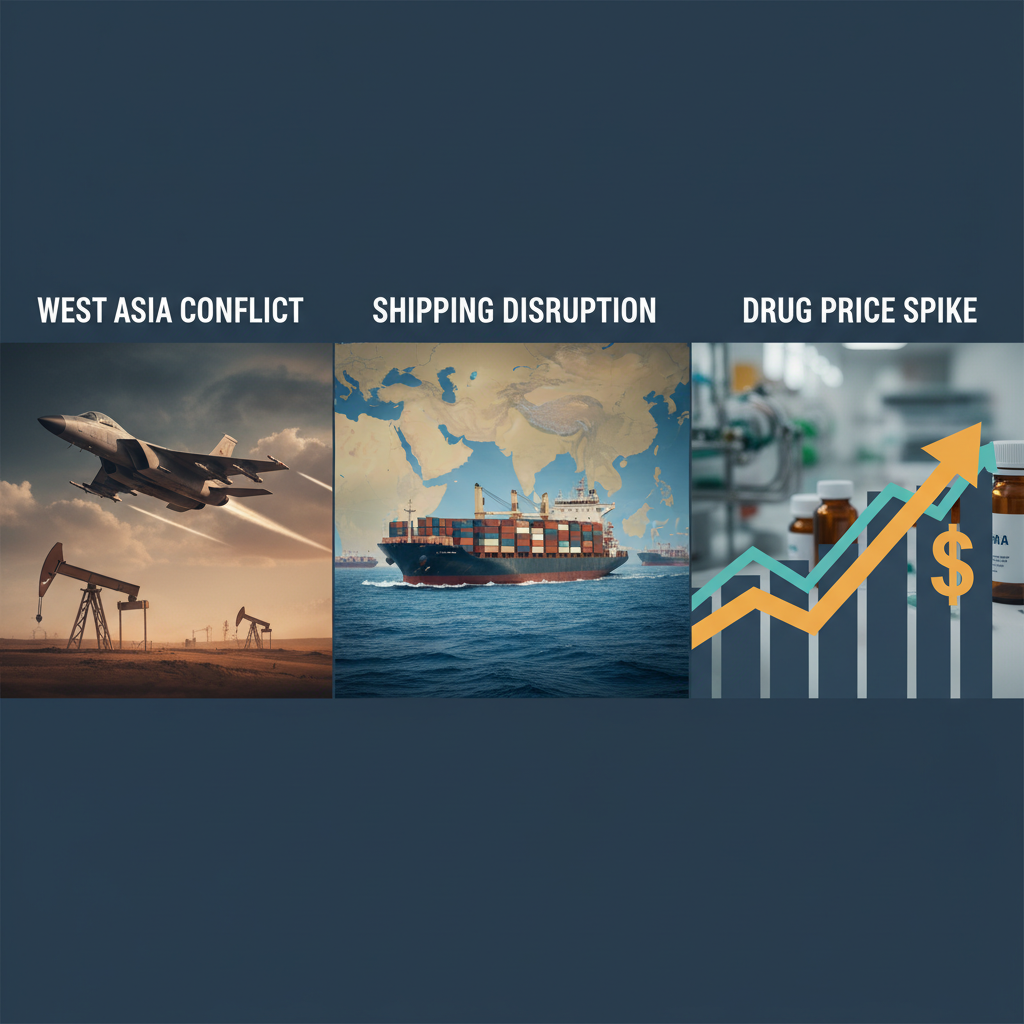
One of the most immediate effects of the escalating conflict has been a surge in demand for private jet services. As people seek alternative routes out of the region, private jet services have become increasingly sought after. Specifically, the UAE has seen a marked increase in demand, driving prices up dramatically. Reports indicate that prices for these services have, in some cases, doubled. This highlights the immediate impact of the conflict on transportation and the lengths to which individuals are willing to go to ensure their safety and mobility.
Shipping Sector: Navigating Choppy Waters
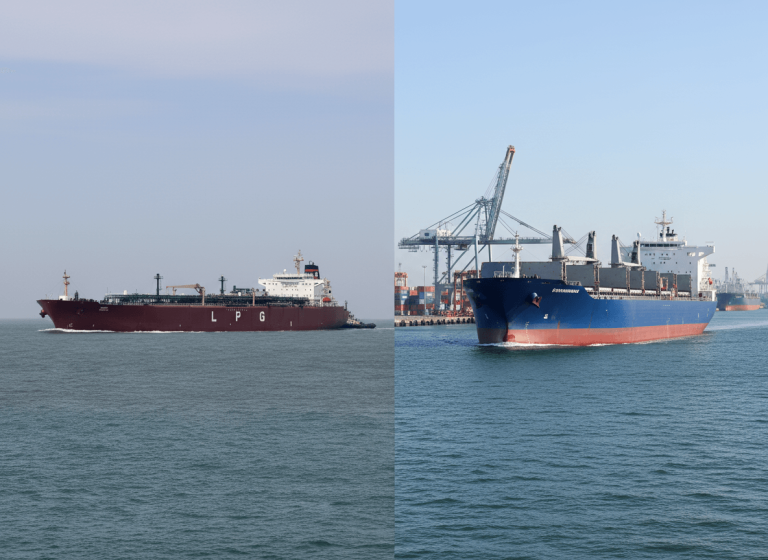
The conflict’s impact extends beyond air travel to the maritime industry. India, anticipating potential disruptions, is considering easing cabotage rules for foreign ships. This proactive measure aims to address a potential shortage of vessels and containers, which could significantly affect freight costs and overall shipping operations. The rationale behind this move is clear: to maintain the flow of goods and mitigate the economic fallout that could arise from supply chain disruptions. The situation underscores the interconnectedness of global trade and the vulnerability of these systems during times of geopolitical instability.
Pharmaceuticals: A Critical Crossroads
The pharmaceutical sector is also bracing for the consequences of the conflict. The expectation is that the conflict will increase demand for essential medicines. This heightened demand could, in turn, lead to higher drug prices. This presents a complex scenario for Indian pharmaceutical manufacturers. While the increased demand could provide an opportunity, the instability also introduces challenges related to supply chain disruptions and export complexities. Companies are closely monitoring the situation, anticipating increased demand for both chronic and acute therapy drugs. The potential for both positive and negative impacts underscores the critical role this sector plays in times of crisis.
India’s Strategic Position
India finds itself in a pivotal position. The decisions made by the Indian government and the strategies adopted by Indian pharmaceutical manufacturers will be crucial in navigating the challenges and capitalizing on the opportunities presented by the conflict. While export disruptions are a concern, the potential for increased overall demand could provide a significant boost to the industry. The situation requires careful assessment, strategic planning, and a flexible approach to adapt to the evolving circumstances.
Conclusion
The conflict in West Asia is a complex event with far-reaching consequences. From the immediate impact on private jet travel to the potential disruptions in shipping and the pharmaceutical industry, the effects are being felt across multiple sectors. The situation requires constant vigilance, strategic planning, and a nuanced understanding of the evolving dynamics. The responses of governments and businesses will determine the extent of the economic impact and the ability of various sectors to weather the storm. As the situation unfolds, the ability to adapt and respond will be critical for those operating in the affected areas.
About the Author