US Grants India Waiver for Russian Oil Amidst Middle East Supply Disruptions
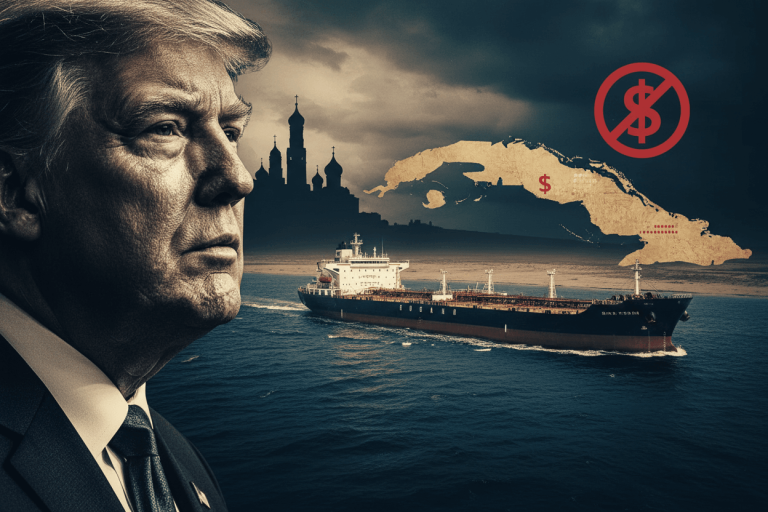
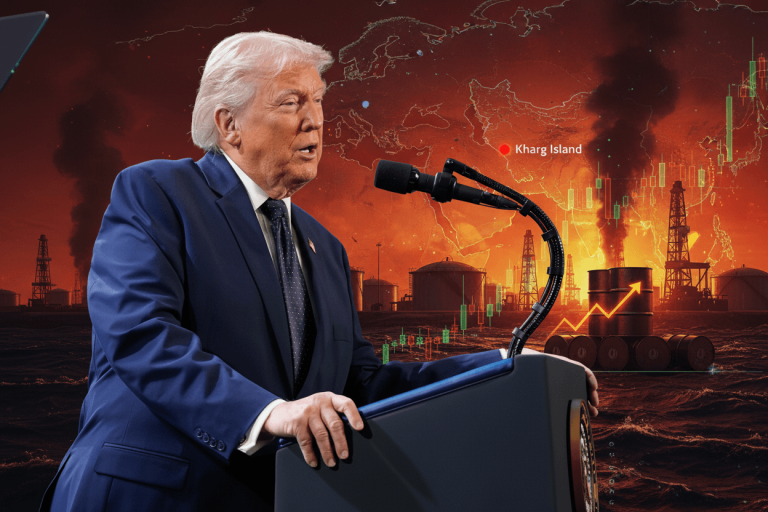
In a move reflecting the complex dynamics of global energy markets, the U.S. Treasury has granted a 30-day waiver to India. This temporary measure allows India to continue purchasing Russian crude oil that has become stranded at sea, a decision driven by the ongoing supply crunch stemming from the Middle East conflict.
Understanding the Waiver
The core of this policy shift involves a 30-day window during which India is permitted to buy millions of barrels of Russian crude oil. The U.S. Treasury, in its role of overseeing financial regulations, issued this waiver. The primary objective is to maintain the smooth functioning of global markets, particularly in light of disruptions originating from the Middle East.
Why the Waiver?
The rationale behind the waiver is twofold. Firstly, the Middle East conflict has significantly impacted the global supply chain, creating a supply crunch. Secondly, the waiver allows the flow of crude oil to continue, preventing further market instability. This situation underscores the interconnectedness of international policies and economic realities. The decision by the U.S. Treasury reflects a pragmatic approach to managing these challenges.
India’s Role and the Global Impact
India’s involvement in purchasing Russian oil is a critical aspect of this scenario. The country’s demand for crude oil is substantial, and the availability of affordable Russian oil presents a significant advantage. This purchase of stranded oil is a strategic move to secure energy supplies amid the disruptions. The decision impacts not only India’s energy security but also influences the broader global market dynamics.
The Mechanics of the Deal
The waiver specifically addresses the issue of oil stranded at sea. This implies that the oil was already in transit or ready for delivery when the disruptions occurred. The U.S. Treasury‘s action allows India to acquire this oil, thereby preventing further complications in the global supply chain.
Policy Implications and Future Outlook
This situation highlights the complex interplay between geopolitics, energy policy, and market stability. The U.S. Treasury‘s decision is a temporary measure, but it could set a precedent for future responses to similar crises. As the Middle East conflict continues, the global community will likely face further challenges in the energy sector. This scenario underscores the need for adaptable policies and international cooperation to ensure a stable energy supply chain.
About the Author