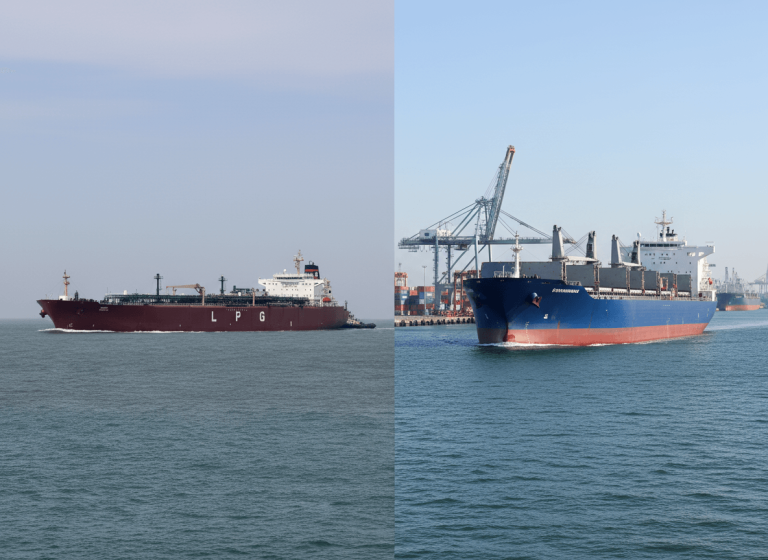
Russia Ready to Boost Oil Exports to India Amidst Middle East Tensions
In a move that underscores the shifting dynamics of global energy markets, Russia has indicated its readiness to satisfy additional demand for oil from India. This comes at a time of heightened geopolitical uncertainty, particularly in the Middle East, a region crucial to global oil supplies. The situation presents both opportunities and challenges for the involved nations, influencing energy policies and trade relationships.
The Offer of Increased Supply
Russian officials have confirmed their willingness to increase crude oil exports to India, should the demand arise. This offer is particularly significant given India’s substantial reliance on imported oil to meet its energy needs. The availability of Russian crude provides India with a potentially stable source of supply, which is especially important during times of global instability. This willingness to export more oil highlights Russia’s strategic interest in maintaining and expanding its energy trade relationships, particularly with major consumers like India.
Geopolitical Context and Alternative Supplies
The backdrop to this development is the escalating conflict in the Middle East, which has the potential to disrupt oil supplies from the region. In response, the United States has encouraged India to consider American energy supplies as a reliable alternative. This proposition from the United States reflects its broader strategic goals in the energy sector, aiming to diversify energy sources for its allies and reduce reliance on potentially volatile regions. The United States is positioning itself as a dependable supplier to India, offering an alternative to Russian oil and potentially influencing India’s energy policy.
India’s Energy Strategy
India currently imports significant volumes of Russian oil. The possibility of further increases in these imports is a key consideration for India’s energy strategy. The decision to increase imports from Russia or diversify towards American supplies will depend on various factors, including pricing, geopolitical considerations, and the long-term reliability of supply. This strategic balancing act is crucial for ensuring India’s energy security and economic stability. India’s choices in this regard will have significant implications for global energy markets and the geopolitical landscape.
Implications for the Energy Sector
This situation has several implications for the global energy sector, particularly in the context of the Middle East conflict. Increased reliance on Russian oil by India could lead to shifts in trade patterns and influence the pricing of crude oil. The United States’ offer of alternative supplies introduces a competitive element, potentially impacting the terms of trade and the strategic alliances within the energy market. The interplay between these factors will shape the future of energy supply chains and the strategies of major oil-consuming nations.
Conclusion
The readiness of Russia to boost oil exports to India, coupled with the United States’ offer of alternative supplies, paints a complex picture of the global energy landscape. The decisions made by India in this context will be crucial. The situation highlights the interconnectedness of energy, geopolitics, and economic strategy in the modern world. The evolving dynamics of these relationships will continue to shape global energy markets and the strategies of key players in the coming years.
Source: Industry-Economic Times
About the Author