Reliance Industries Adapts Oil and Fuel Strategies Amidst Geopolitical Shifts
In the dynamic landscape of global energy markets, Reliance Industries is demonstrating a keen ability to adjust its operations in response to evolving geopolitical realities. The company, a major player in the oil and fuel sectors, is currently navigating significant shifts, particularly those influenced by the ongoing Iran war and related supply chain disruptions. This strategic agility underscores the importance of adaptability in today’s complex economic environment.
Rerouting and Re-strategizing Fuel Distribution
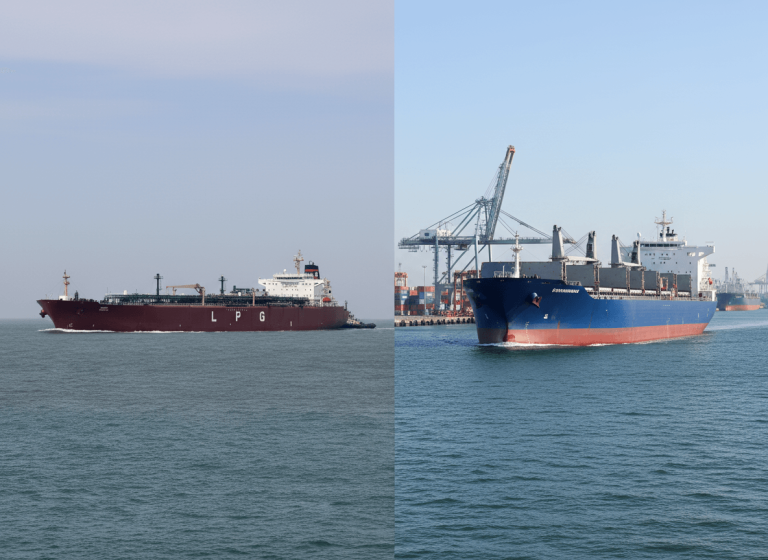
One notable adjustment involves the redirection of Reliance’s fuel tankers. Initially intended for Europe, two tankers have been rerouted to Asia. This decision reflects a calculated move to capitalize on the robust profit margins currently available in Asian markets. The strategy is further bolstered by supply constraints, which have been exacerbated by the Iran war. This shift highlights Reliance‘s proactive approach to maximizing profitability amidst fluctuating market conditions.
Sourcing Russian Crude Oil
Another key element of Reliance‘s adaptation involves its approach to sourcing crude oil. The company is actively pursuing the purchase of Russian crude oil, a move made possible by a temporary waiver granted by the United States to India. This decision is significant, as it allows Reliance to leverage opportunities presented by the current geopolitical climate while adhering to regulatory frameworks.
Refining and Domestic Supply
Reliance plans to process the Russian oil at its refinery, with the intention of supplying the domestic Indian market. Simultaneously, the company’s export-focused plant will continue to utilize non-Russian crude. This dual-track strategy demonstrates a sophisticated approach to managing supply chains and meeting diverse market demands. The ability to segregate refining processes allows Reliance to optimize its operations based on the origin and intended destination of the crude oil.
Strategic Implications and Market Dynamics
The actions of Reliance Industries reflect broader trends in the global oil market. The Iran war, coupled with other geopolitical factors, has created significant volatility. Companies that can adapt quickly and strategically are best positioned to maintain profitability and market share. Reliance’s decisions regarding tanker routes and crude oil sourcing are clear examples of this adaptability in action. The company is not only responding to immediate market pressures but also positioning itself for long-term resilience.
The ability to secure waivers and navigate complex geopolitical landscapes is becoming increasingly crucial for energy companies. Reliance‘s proactive stance in seeking a waiver from the United States to import Russian crude oil indicates a strategic understanding of these evolving dynamics. This approach enables the company to optimize its supply chains and capitalize on market opportunities.
Conclusion
In conclusion, Reliance Industries is effectively maneuvering through the complexities of the current geopolitical environment. By rerouting fuel tankers, strategically sourcing Russian crude oil, and optimizing its refining processes, the company demonstrates a forward-thinking approach. These adaptations highlight Reliance’s commitment to maintaining its position in the global energy market and its ability to respond to dynamic shifts with agility and foresight.
Source: Industry-Economic Times
About the Author