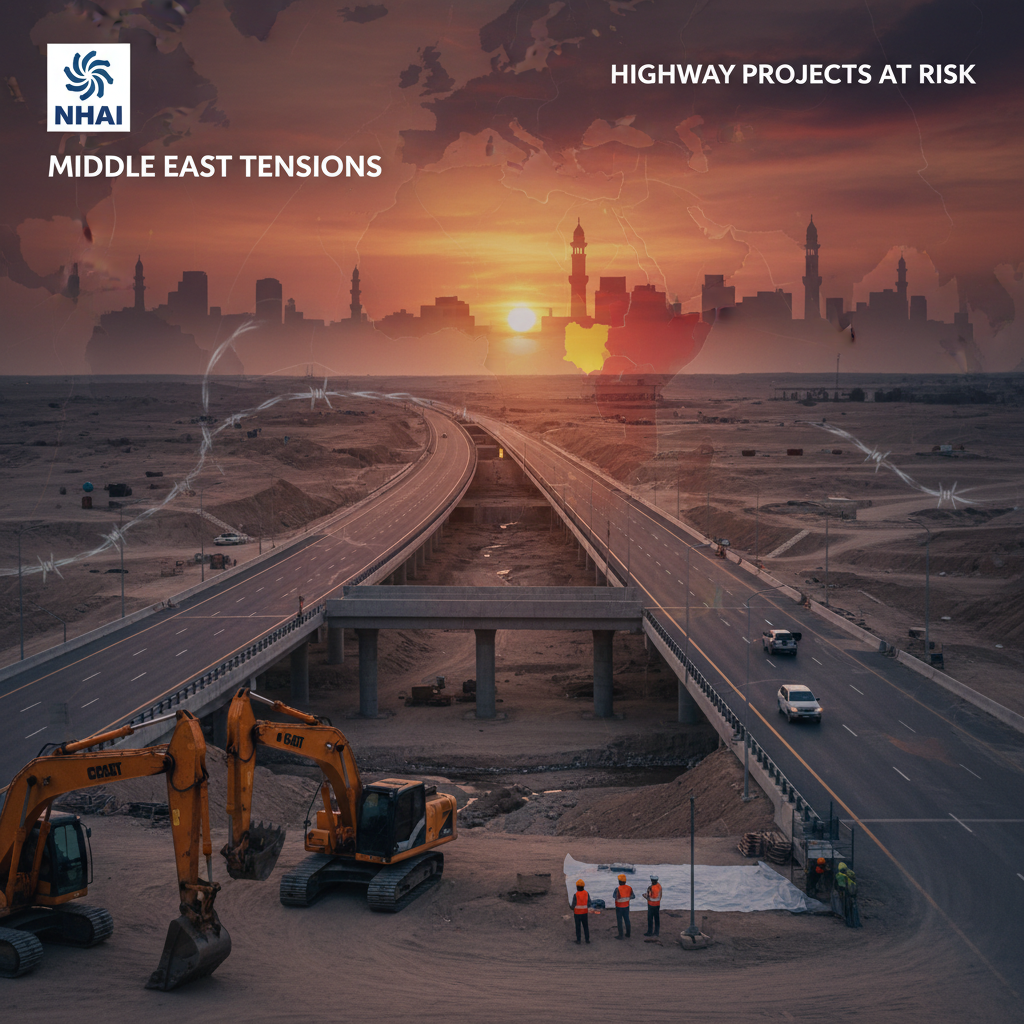
Middle East Tensions Threaten Highway Projects: NHAI Addresses Concerns
The specter of the Middle East conflict looms large over India’s infrastructure development, specifically impacting highway projects. With the ongoing tensions in the region, highway developers are facing mounting concerns about the fuel supply and bitumen supply essential for their projects. Recognizing these challenges, the NHAI (National Highways Authority of India) has stepped in to address the situation, offering assurances to developers regarding the continued availability of crucial materials. This proactive stance comes amidst growing anxieties about potential project delays and escalating costs.
NHAI’s Response and Developer Concerns
The primary why behind these concerns is the potential for disruption to the supply chain. The Middle East is a key source for both fuel and bitumen, vital components for highway construction. Any instability in the region can directly translate into higher prices and, more critically, scarcity of these materials. The NHAI, understanding the gravity of the situation, is closely monitoring the evolving situation. Their assurances aim to provide some measure of stability, but developers are also exploring other avenues to safeguard their projects.
The Force Majeure Plea: Seeking Protection
In response to the potential risks, highway developers are urging the Government to classify the situation as a Force Majeure event. This legal clause, if invoked, would offer crucial protection. Specifically, it would shield developers from potential revenue shortfalls and provide extensions to project timelines. Such a designation acknowledges that the circumstances are beyond the developers’ control, thus mitigating the financial and operational impact of external factors. The Government’s decision on this matter will significantly impact the trajectory of numerous infrastructure projects across the country.
Impact and Implications
The interplay of these factors highlights the interconnectedness of global events and domestic infrastructure. The what, including rising costs and potential project delays, underscores the need for proactive measures. The NHAI, as a key player, is attempting to mitigate the immediate risks. However, the long-term implications depend on the duration and severity of the Middle East conflict, as well as the Government’s policy decisions regarding Force Majeure. The infrastructure sector, a cornerstone of economic growth, is now navigating a complex landscape shaped by international relations and supply chain vulnerabilities.
Conclusion
The situation underscores the vulnerability of major projects to geopolitical instability. The NHAI’s actions, combined with the developers’ appeals, paint a picture of a sector adapting to unforeseen challenges. The ultimate outcome will depend on the effectiveness of these strategies and the broader global environment. The policy decisions made in the coming weeks will determine the immediate fate of numerous highway projects and the long-term health of the sectors involved.
Source: Industry-Economic Times
About the Author