Maharashtra Budget: Steering Towards Cleaner Air with Vehicle Scrapping Incentives
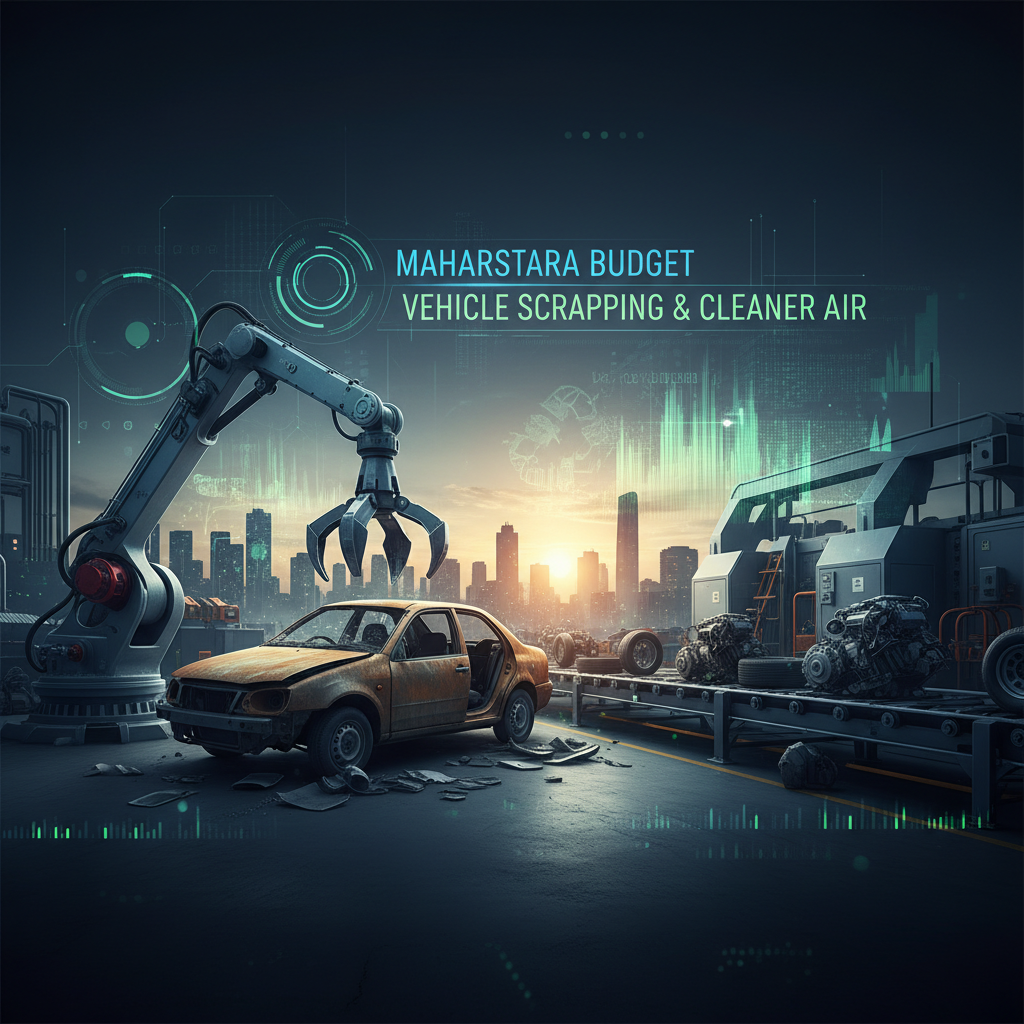
In a move aimed at tackling pollution and modernizing its vehicle fleet, the Maharashtra government has unveiled a budget that prioritizes environmental sustainability. This proactive approach includes significant tax incentives for those scrapping older vehicles and a corresponding increase in environmental taxes for polluting vehicles. The overarching goal is to foster cleaner transport options and enhance air quality throughout the state.
Tax Breaks for a Greener Fleet
The Maharashtra government’s recent budget demonstrates a commitment to environmental stewardship by incentivizing the replacement of older, more polluting vehicles. Under the new policy, individuals who scrap their old vehicles and purchase new ones will be eligible for concessions on motor vehicle tax. This financial relief is designed to encourage citizens to retire older vehicles, thereby reducing emissions and promoting the adoption of newer, more fuel-efficient models. This initiative is a clear signal that the state is serious about reducing its carbon footprint and improving public health.
Doubling Down on Environmental Responsibility
Complementing the tax breaks, the government will also double the environmental tax on certain older private vehicles. This measure is targeted at vehicles that contribute disproportionately to air pollution. By increasing the financial burden on owners of these older vehicles, the government hopes to further incentivize the transition to cleaner transportation alternatives. This strategy not only aims to reduce pollution levels but also encourages a shift towards vehicles that meet modern emission standards. The dual approach of incentives and penalties underscores the government’s comprehensive strategy to improve air quality.
The Broader Impact: Cleaner Air for Maharashtra
These budgetary provisions are a part of a larger strategy to improve air quality across Maharashtra. By encouraging the scrapping of older vehicles and promoting the use of newer, cleaner models, the government hopes to significantly reduce harmful emissions. This initiative aligns with global efforts to combat climate change and protect public health. The benefits of cleaner air are far-reaching, including improved respiratory health, reduced healthcare costs, and a more sustainable environment for future generations.
Policy Implications and Industry Response
This policy shift has significant implications for the automotive industry in Maharashtra. The tax breaks are likely to stimulate demand for new vehicles, benefiting manufacturers and dealerships. At the same time, the increased environmental tax may prompt some vehicle owners to seek out more fuel-efficient or electric alternatives. The government’s actions are a clear indication of its commitment to environmental policy, and the automotive sector is expected to adapt and respond accordingly. The budget reflects a proactive stance towards environmental responsibility, setting a precedent for other states to follow.
Looking Ahead: A Sustainable Future
The Maharashtra government’s recent budget represents a decisive step towards a greener, more sustainable future. By implementing tax breaks for vehicle scrapping and increasing environmental taxes, the state is actively working to reduce pollution and improve air quality. This forward-thinking approach not only benefits the environment but also promotes public health and economic growth. The state’s commitment to cleaner transport options underscores its dedication to creating a healthier and more sustainable future for all its citizens. As the policy takes effect, it will be interesting to observe its impact on the automotive landscape and the overall environmental health of Maharashtra.
About the Author