Karnataka Poised to Ban Social Media for Under-16s: A Policy Analysis
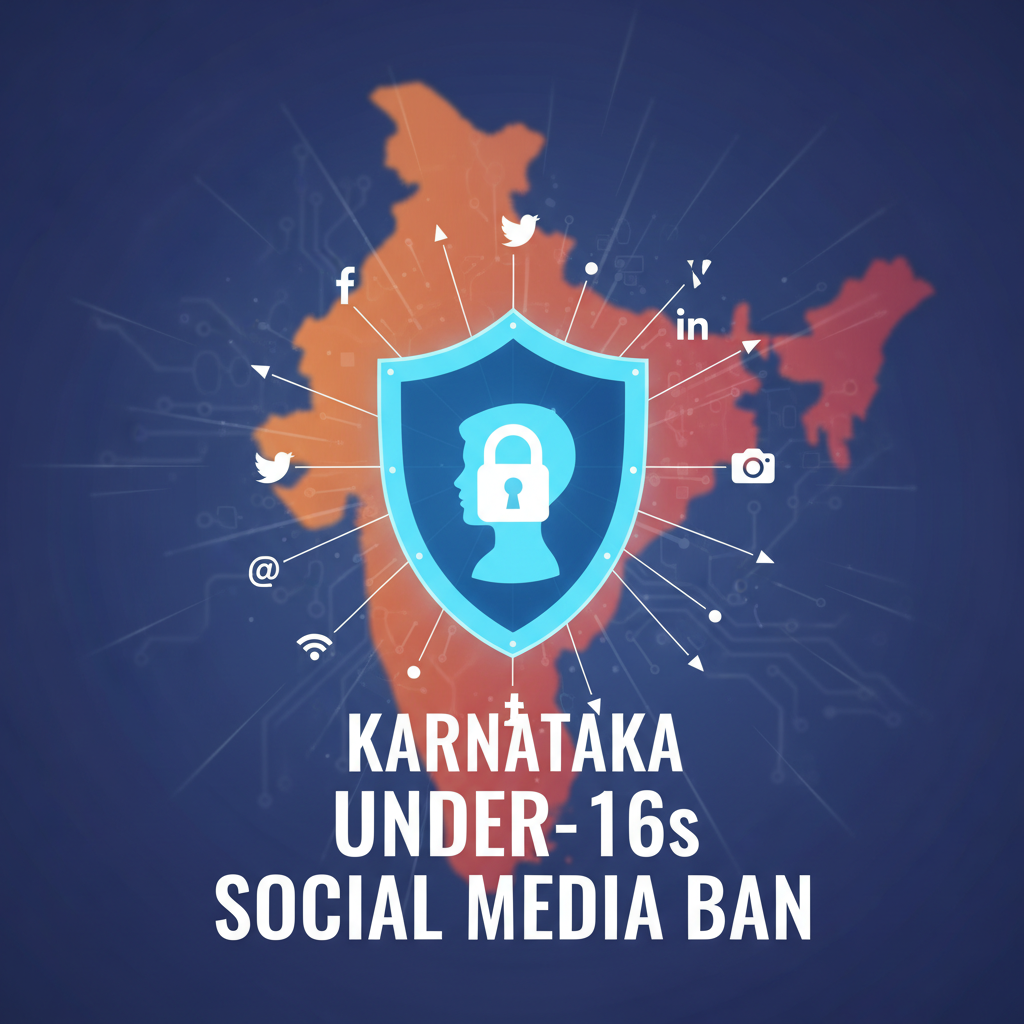
In a significant move, the Karnataka government is contemplating a ban on social media for children below 16. This proposed policy, as reported by Inc42 Media, is aimed at tackling concerns related to the increasing prevalence of digital addiction and excessive screen time among the youth. The initiative highlights a growing trend of governmental intervention in the realm of internet safety and child welfare.
The Rationale Behind the Proposed Ban
The WHY behind this decision is clear: to mitigate the adverse effects of unrestricted social media use on young minds. The Karnataka government recognizes the potential harm associated with prolonged exposure to digital platforms. The WHAT, in this case, is a comprehensive approach to address concerns surrounding the mental and physical health impacts on children. This includes issues like sleep deprivation, cyberbullying, and the erosion of social skills due to excessive online engagement.
The WHO, in terms of those affected, are the children of Karnataka. The WHERE is the state of Karnataka, where this policy will be implemented if approved. The WHEN is not yet specified, but the urgency suggests that the government is keen to implement the ban swiftly. The HOW this will be achieved involves creating and enforcing regulations that limit or prohibit children under 16 from accessing social media platforms. The details of enforcement are yet to be fully disclosed.
Potential Implications and Challenges
This policy raises several questions and potential challenges. One key concern is how the ban will be enforced. Monitoring and verifying the age of social media users across various platforms present significant logistical hurdles. Furthermore, the ban could potentially infringe upon the rights of children to access information and engage in online communication. The government must carefully consider these aspects to ensure that the policy is both effective and legally sound.
Critics of such measures often argue that the focus should be on educating children and parents about responsible social media use, rather than outright bans. They suggest that restrictions could drive children to use platforms covertly, making it harder to monitor their online activities. There are also concerns about the impact on businesses that rely on social media for marketing and communication.
The Broader Context of Internet Safety
This initiative in Karnataka is part of a larger global conversation around internet safety and child protection. Governments worldwide are grappling with the challenges of regulating the digital space and safeguarding the well-being of their citizens, especially children. The focus is increasingly on addressing issues like cyberbullying, online harassment, and the spread of harmful content.
Conclusion
The proposed ban on social media for children under 16 in Karnataka is a bold step that reflects the government’s commitment to protecting the youth from the potential harms of the digital world. While the intent is laudable, the success of this policy will depend on its effective implementation and the government’s ability to address the associated challenges. It is vital to strike a balance between safeguarding children and respecting their rights to access information and participate in the digital age. The evolution of this policy will be an interesting case study in the intersection of technology, child welfare, and governmental regulation.
About the Author