Iran War Threatens Billions in Asian Car Exports to the Middle East
The geopolitical landscape of the Middle East is once again in turmoil, and this time, the automotive industry is feeling the tremors. The ongoing war, involving the U.S., Israel, and Iran, is casting a long shadow over the region, particularly impacting vehicle shipments from Asia. This disruption is not merely an inconvenience; it represents a significant threat to billions of dollars in car exports, primarily affecting major players such as China and India.
The Strait of Hormuz: A Chokepoint Under Threat
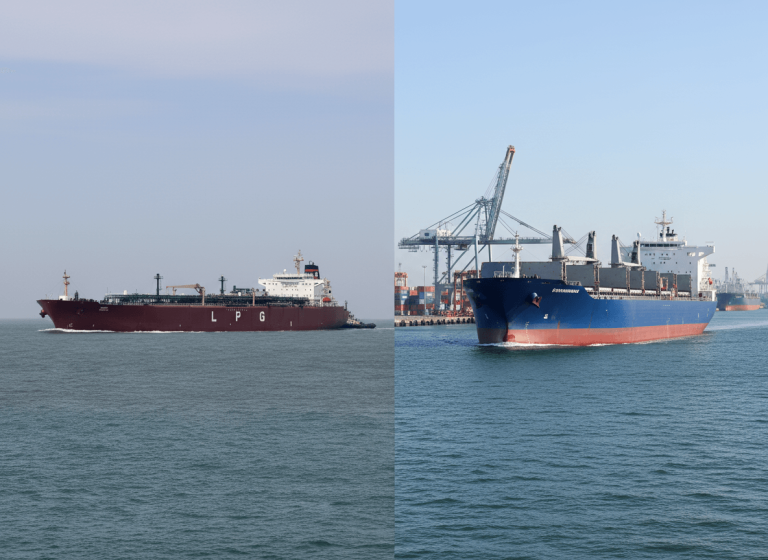
At the heart of the issue lies the Strait of Hormuz, a critical waterway through which a substantial portion of global trade, including vehicle shipments, flows. As security concerns escalate due to the war, shipping through this vital chokepoint has slowed considerably. This slowdown directly impacts Asian automakers, for whom the Middle East represents a key export market. The ramifications are far-reaching, potentially affecting supply chains and trade relationships that have been carefully cultivated over years.
The situation is further complicated by the involvement of various entities. The U.S. and Israel, key players in the conflict, are adding to the existing instability, while Iran’s actions are directly influencing the security of the Strait of Hormuz. This volatile mix creates an environment of uncertainty for companies like those from China, India, South Korea, and Japan, who rely on the region for significant revenue.
China and India: Leading the Charge in a Challenging Market
China and India, in particular, have emerged as major exporters of vehicles to the Middle East. The region’s demand for automobiles has made it a lucrative market for Asian automakers. However, the ongoing war and the resulting disruptions pose a direct challenge to their operations. Any slowdown in vehicle shipments translates to potential revenue losses and logistical nightmares. Automakers are now forced to navigate a complex web of geopolitical risks while ensuring that their products reach their intended destinations.
The disruptions also highlight the interconnectedness of the global automotive industry. Supply chains are complex, with components and vehicles often traversing multiple borders before reaching the end consumer. The war’s impact extends beyond immediate shipping delays; it also affects the cost of insurance, fuel, and other essential resources. This can lead to increased prices for consumers and reduced profit margins for automakers.
Navigating the Uncertainties
The automotive industry is no stranger to challenges. However, the current situation in the Middle East presents a unique set of difficulties. The war’s impact is not limited to financial losses; it also affects the industry’s ability to plan and execute long-term strategies. Automakers are now forced to make critical decisions in an environment of uncertainty, weighing the risks and rewards of their continued presence in the region.
The situation demands adaptability and resilience. Automakers are exploring alternative shipping routes, reevaluating their supply chains, and assessing the overall risks associated with doing business in the Middle East. This is not just a matter of short-term survival; it is about building a sustainable business model that can withstand the test of geopolitical instability.
Conclusion
The ongoing war involving the U.S., Israel, and Iran has brought significant challenges to the automotive industry, particularly impacting car exports from Asia to the Middle East. The slowdown in shipping through the Strait of Hormuz, a direct consequence of the conflict, threatens billions of dollars in trade. As the situation evolves, automakers must remain agile, adapting to the changing landscape and finding innovative solutions to navigate the uncertainties of the market. The ability to adapt and respond will be critical for those looking to maintain their presence in this vital region. This information is based on the report from Industry-Economic Times. (Source)
About the Author