India’s Oil Imports: Waivers, Diplomacy, and Energy Security
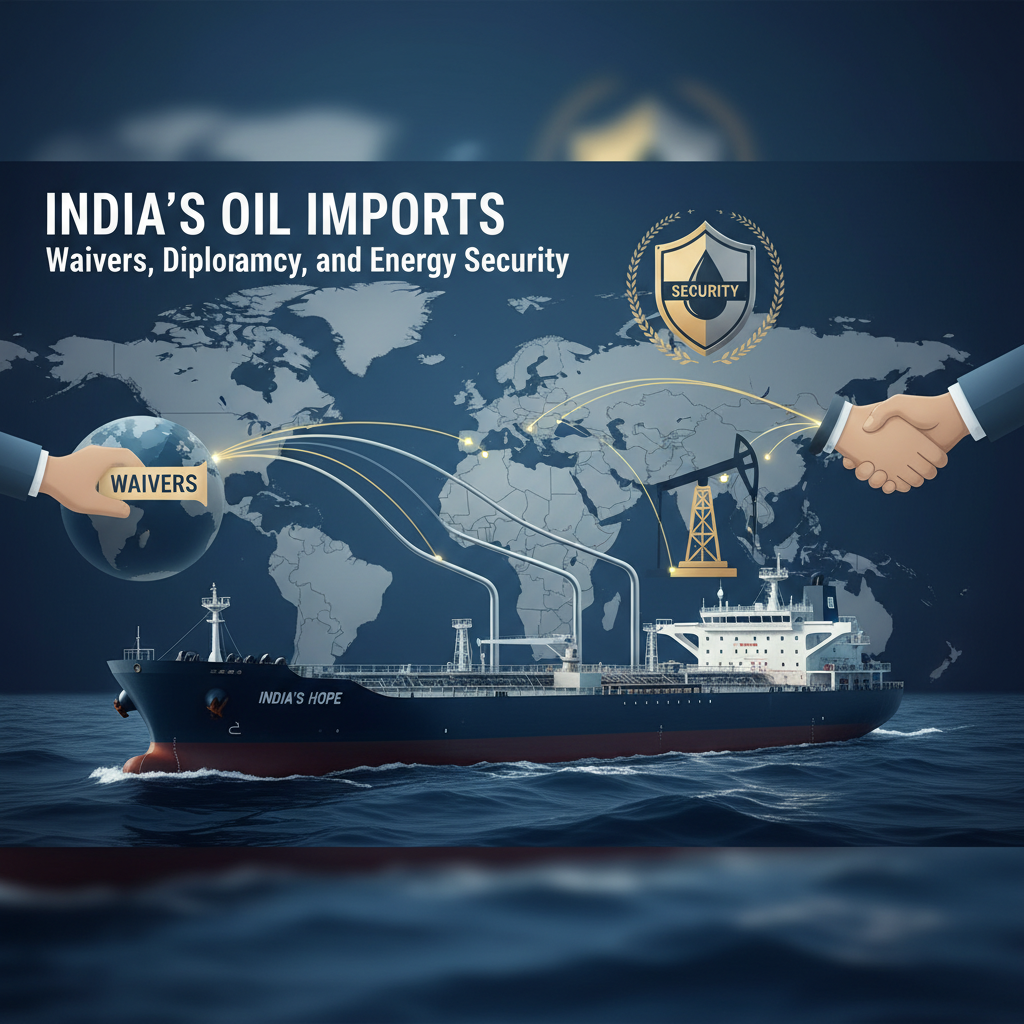
The recent purchase of Russian crude oil by India, despite the presence of Western sanctions, is not an isolated incident. As sources indicate, this action is a reflection of a well-established practice: the use of diplomatic waivers. This approach allows nations to navigate complex geopolitical landscapes while securing essential resources like energy. It’s a strategy that has been employed by India in the past, underscoring the nation’s commitment to its energy needs and strategic autonomy.
A Historical Perspective on Waivers
The current situation mirrors previous instances where India has benefited from diplomatic flexibility. Specifically, the granting of exemptions for Iranian oil imports during earlier periods provides a historical precedent. This demonstrates a consistent pattern: major powers often prioritize their energy security and broader geopolitical interests, even when faced with international sanctions. The UPA era also saw similar practices, solidifying the precedent of utilizing waivers as a tool in foreign policy.
The Mechanics of Diplomatic Waivers
The use of diplomatic waivers is a nuanced process. How these waivers are granted and implemented involves intricate negotiations and assessments of various factors. The primary why behind these waivers is to ensure a stable supply of energy supplies. During times of volatility, maintaining access to crude oil is crucial for economic stability and growth. This is particularly relevant for a nation like India, which has a significant and growing demand for energy.
Energy Security as a Priority
The decision to utilize waivers often reflects a strategic prioritization of energy security and geopolitical interests. Where a nation sources its energy can significantly impact its international relationships and influence. What the purchase of Russian crude oil, despite sanctions, reveals the importance of maintaining diverse energy sources. This approach allows countries to mitigate risks associated with over-reliance on any single supplier.
Geopolitical Implications and Diplomacy
The practice of granting and utilizing diplomatic waivers has significant implications for international relations. It highlights the complex interplay between economic interests, political alignments, and international law. Who grants these waivers and under what circumstances is a key aspect of these geopolitical dynamics. When these waivers are issued, the time can also be significant. India’s ability to secure waivers underscores its diplomatic capabilities and its strategic importance in the global arena.
Conclusion
In conclusion, the purchase of Russian crude oil by India is more than a simple transaction; it’s a reflection of a long-standing practice of utilizing diplomatic waivers to ensure energy security and pursue geopolitical interests. This approach, with precedents in the UPA era, highlights the complex considerations that shape energy policy and international relations during times of international sanctions. As the global landscape continues to evolve, the strategic use of waivers will likely remain a key tool for nations navigating the complexities of energy supply and international diplomacy. (Source: Industry-Economic Times)
About the Author