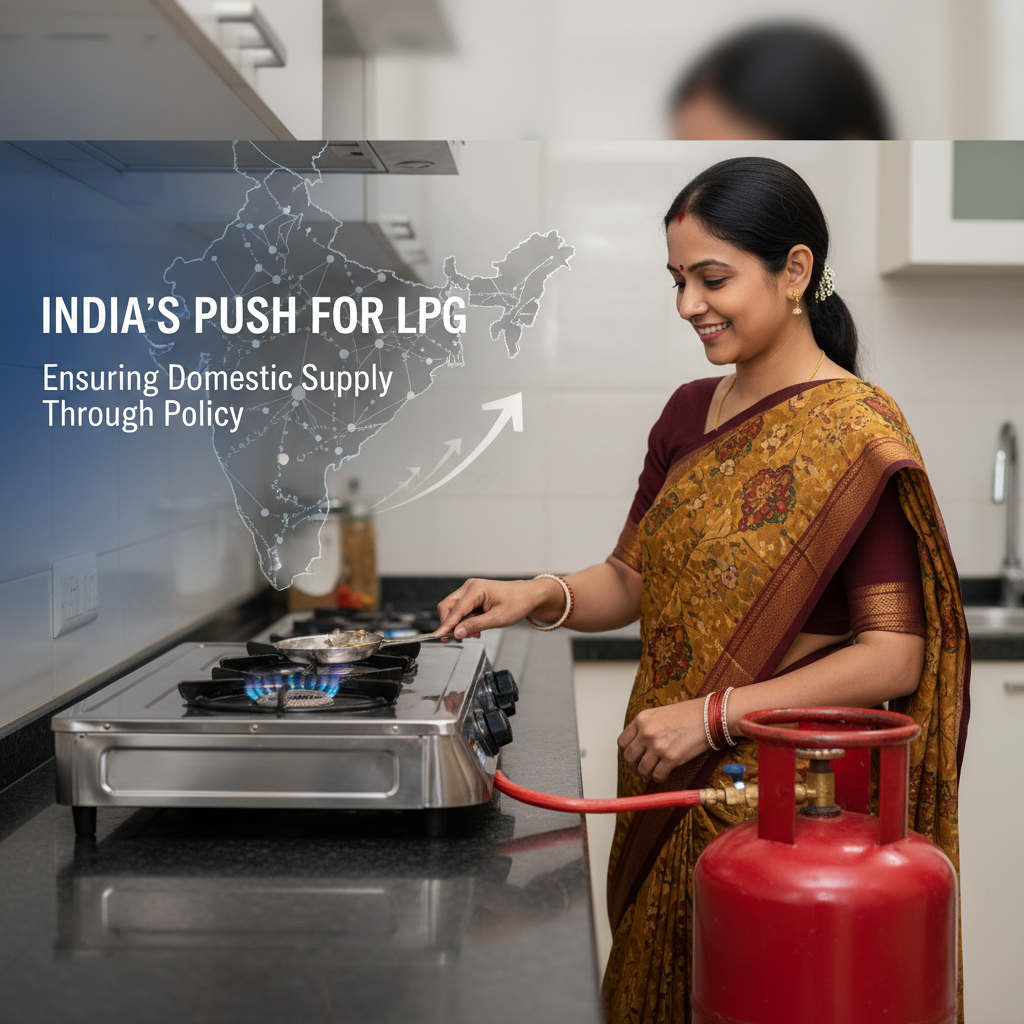
India’s Push for LPG: Ensuring Domestic Supply Through Policy
In a decisive move to bolster domestic energy security, India has implemented a new policy focused on the production and distribution of Liquefied Petroleum Gas (LPG). This initiative, as reported by the Economic Times, directs oil refiners to maximize LPG output, ensuring a steady supply for households across the country.
Key Policy Directives
The core of this policy centers on several key mandates:
- Production Focus: Indian oil refiners are now instructed to prioritize the production of LPG.
- Restricted Supply Chain: The supply of LPG is exclusively channeled through three state-run companies: Indian Oil (IOC), HPCL, and BPCL.
- Petrochemical Prohibition: Refiners are prohibited from utilizing propane and butane, which are components of LPG, for petrochemical purposes.
- Domestic Sales: The public sector companies are mandated to sell LPG solely to domestic customers.
These directives are strategically designed to create a more reliable and accessible LPG supply chain, directly benefiting Indian households. By focusing on domestic needs and controlling the distribution channels, the government aims to mitigate potential supply disruptions and ensure that essential cooking fuel remains readily available.
Strategic Rationale and Objectives
The primary ‘why’ behind this policy is to ensure an ample supply of LPG for households. LPG is a critical resource for cooking in many Indian homes, and maintaining a consistent supply is vital for daily life. The ‘how’ of achieving this involves several interconnected steps. By instructing oil refiners to maximize LPG output, the government is directly addressing the supply side. Restricting the supply to IOC, HPCL, and BPCL streamlines distribution, making it easier to manage and monitor the flow of the fuel. The prohibition on using propane and butane for petrochemicals further ensures that these valuable components are reserved for domestic LPG production.
Stakeholders and Impact
Several key players are involved in this policy shift. India, as the governing body, sets the overall direction. Indian Oil (IOC), HPCL, and BPCL are the primary distributors, responsible for ensuring that the LPG reaches consumers. Oil refiners are tasked with ramping up production and adhering to the new guidelines. Domestic customers, the ultimate beneficiaries, stand to gain from a more stable and reliable LPG supply.
Broader Implications and Sectoral Context
This policy reflects a broader trend of prioritizing domestic needs and strengthening energy security. By controlling the supply and distribution of essential fuels, the government can better manage potential price fluctuations and ensure that basic necessities remain affordable. This move also highlights the importance of the energy sector in India’s economic landscape, underlining the government’s commitment to supporting this critical sector.
In conclusion, India’s recent policy on LPG production and distribution underscores a proactive approach to securing essential resources for its citizens. By streamlining the supply chain and prioritizing domestic needs, the government aims to create a more resilient and accessible energy infrastructure. This initiative is a clear indicator of India’s commitment to energy security and its dedication to ensuring the well-being of its households. (Source: Economic Times)
About the Author