China Navigates Hormuz: Securing Oil and Gas Passage Amidst Conflict
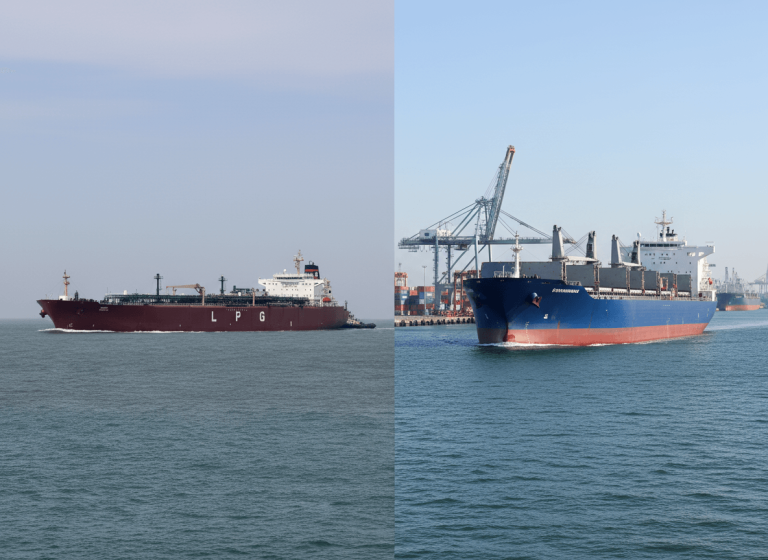
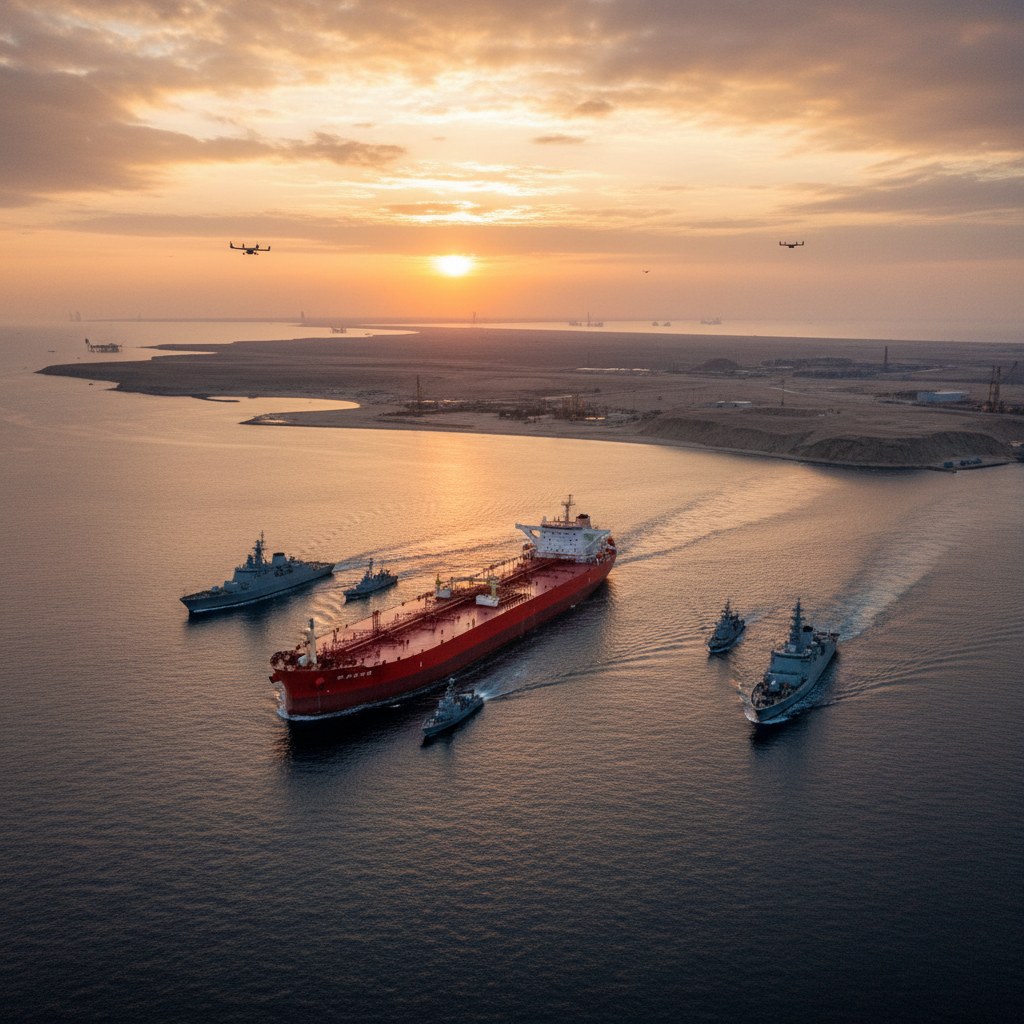
The global energy landscape is facing a new set of challenges, with China at the forefront of efforts to safeguard its vital oil and gas supply lines. According to recent reports, China is currently engaged in negotiations with Iran to secure safe passage for its oil and Liquefied Natural Gas (LNG) vessels through the strategically crucial Strait of Hormuz. This move comes amid escalating conflict in the region, which has led to significant disruptions in shipping lanes and raised concerns about global energy security.
The Stakes in the Strait
The Strait of Hormuz is a critical chokepoint, with a substantial portion of the world’s oil and gas supplies passing through its narrow waters. The current situation has resulted in significant blockages, impacting the flow of energy resources worldwide. China, as one of the world’s largest importers of oil and LNG, is particularly vulnerable to these disruptions. The ongoing talks with Iran underscore China’s proactive approach to ensure the continued flow of energy to fuel its economy.
Negotiations and Their Implications
The negotiations between China and Iran are focused on allowing China’s oil and LNG vessels to transit the Strait of Hormuz safely. Currently, only vessels owned by China and Iran are reportedly able to navigate the channel. This situation has prompted China to urge Iran to grant safe passage to its commercial ships. The outcome of these talks will have far-reaching implications, not only for China’s energy security but also for the stability of global energy markets. The ability to ensure the uninterrupted flow of oil and gas is vital for maintaining economic stability and preventing potential price shocks.
Key Players and Their Motivations
The primary actors in this situation are China and Iran. China’s motivation is clear: to ensure the continued supply of oil and gas, which is essential for its economic growth and stability. Iran, on the other hand, faces the challenge of balancing its regional interests with the need to maintain stability in the Strait of Hormuz. The negotiations represent a complex interplay of geopolitical and economic factors, with the potential to reshape the dynamics of energy trade in the region.
Impact on Global Supply Chains
The situation in the Strait of Hormuz has a direct impact on global supply chains. Any disruption in the flow of oil and gas can lead to higher prices, affecting consumers and businesses worldwide. The negotiations between China and Iran are thus closely watched by international stakeholders, including other major energy importers and exporters. The resolution of this issue will be crucial for maintaining the stability of the global energy market and preventing economic volatility.
Looking Ahead
As China and Iran continue their discussions, the world will be watching closely for any developments. The outcome of these negotiations will not only determine the fate of China’s oil and LNG shipments but also set a precedent for how major importers manage energy security in times of geopolitical instability. The situation underscores the intricate connections between international relations, energy markets, and global economic stability.
About the Author