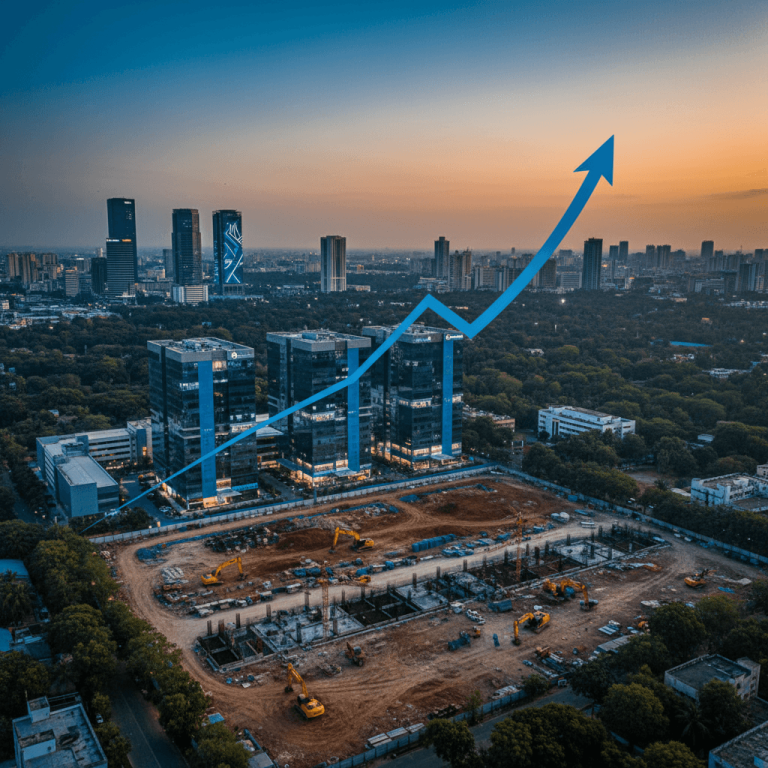
The fluorescent lights of the data center hummed, a low thrumming that seemed to vibrate through the floor. It was late February, and the air conditioning fought a losing battle against the heat generated by the racks of servers. Engineers at a major tech firm, who requested anonymity, huddled around monitors, their faces illuminated by the glow of code. They were reviewing performance metrics for a new AI-powered hiring algorithm, a system designed to streamline the recruitment process. But something felt off. February’s jobs report had just dropped, revealing a shocking 92,000 job losses, and the whispers around the office were growing louder: was AI quietly locking people out of jobs?
The problem, as some see it, is the “invisible layoff.” AI algorithms, trained on vast datasets of resumes and job descriptions, are designed to identify the “perfect” candidate. They scan applications, looking for specific keywords, skills, and experience. The algorithms then rank candidates, often without human intervention, and those who don’t meet the automated criteria are filtered out. But what happens when the criteria are biased, or the algorithms are trained on incomplete or skewed data? Potentially, many qualified workers are never even considered.
“We’re seeing a significant shift,” said Dr. Emily Carter, an AI researcher at the Lilly School, during a recent industry conference. “Companies are prioritizing efficiency and automation, and AI is a key tool. However, the unintended consequence is that humans are increasingly being screened out of the process.”
Consider the manufacturing sector, where automation has been steadily increasing for years. According to a recent report by Deutsche Bank, the implementation of AI-driven systems is expected to accelerate, potentially leading to a 10-15% reduction in the workforce across various industries by the end of 2026. This isn’t just about robots on the factory floor; it’s about algorithms managing supply chains, optimizing production schedules, and, yes, even making hiring decisions.
The implications are far-reaching. For workers, it means a tougher job market and the need to constantly upskill to remain competitive. For companies, it means navigating the ethical and legal challenges of using AI in hiring, especially when potential biases are at play. And for policymakers, it means grappling with the societal impact of widespread automation and the need for new social safety nets. Export controls and domestic procurement policies are also relevant, as the US and China vie for AI supremacy, and manufacturing constraints (like those faced by SMIC) further complicate the landscape.
The conference call ended abruptly. An engineer sighed, the sound barely audible over the whirring of the servers. The feeling lingered: what if the future of work was already here, and many were being left behind?
About the Author