West Asia Crisis Disrupts Shipping and Energy Sectors, Impacting Indian Exporters and LNG Imports
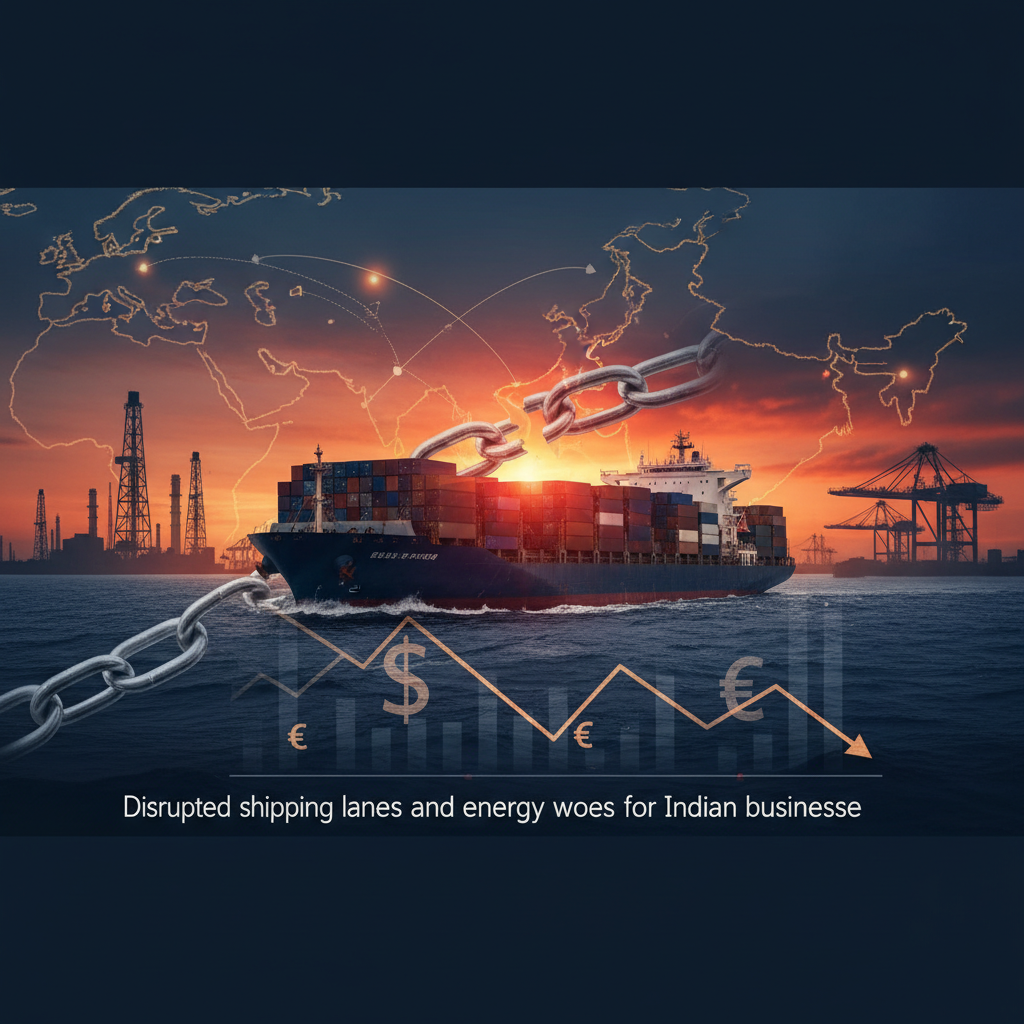
The escalating crisis in West Asia is casting a long shadow over global trade, with particularly significant repercussions for Indian businesses involved in shipping and energy. The situation, as reported by the Economic Times, is creating a ripple effect that threatens to destabilize supply chains and increase operational costs for key sectors.
Shipping Sector Surcharges and Disruptions
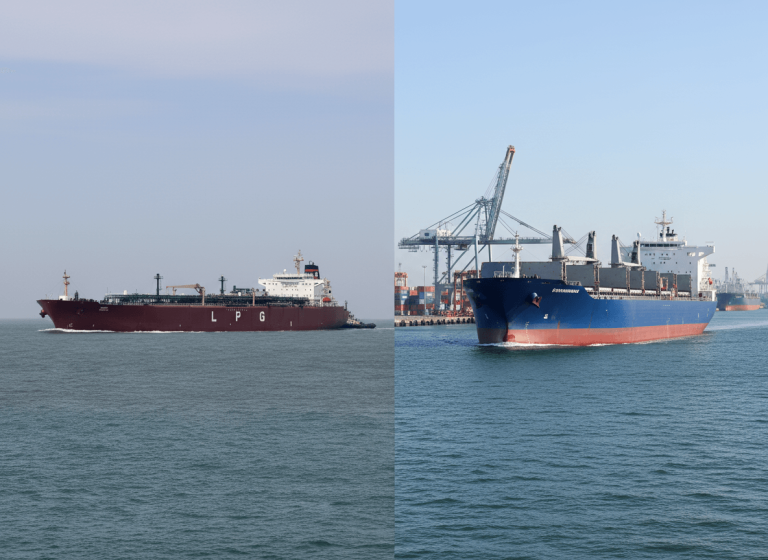
The shipping sector is immediately feeling the pinch. Shipping lines are responding to the increased risks and operational challenges by imposing substantial surcharges on exports. This move, while understandable from a risk management perspective, is creating considerable anxiety among Indian exporters. The added costs are especially concerning for those dealing in perishable goods, where time and cost efficiency are crucial. Furthermore, the crisis has led to the halting of operations for consignments destined for West Asia, which is further exacerbating the problems faced by exporters. The Economic Times article highlights the growing concerns of Indian exporters who are now grappling with increased financial burdens and logistical hurdles.
Energy Sector Under Pressure: LNG Imports Affected
The energy sector is also facing significant headwinds. Petronet LNG, India’s leading LNG importer, has been forced to invoke force majeure due to disruptions in shipments originating from QatarEnergy. This declaration underscores the severity of the situation and its direct impact on India’s energy security. The unrest has severely hampered shipping operations in the Strait of Hormuz, a critical chokepoint for global energy supplies, thus increasing the risks for maritime traffic in the region. The disruption to LNG imports could have far-reaching consequences, potentially affecting industrial output and household energy costs.
Impact on Indian Businesses
The combined effect of these disruptions is a significant economic blow to Indian businesses. Exporters are struggling with higher costs, delayed shipments, and operational uncertainties. The energy sector’s reliance on stable imports is also threatened, which could lead to increased energy prices and supply chain disruptions. The crisis underscores the interconnectedness of global trade and the vulnerability of businesses to geopolitical instability.
The Role of the Strait of Hormuz
The Strait of Hormuz, a crucial waterway for global oil and gas transport, has become a focal point of concern. The ongoing unrest has severely hampered shipping operations in this strategic location, which heightens the risks for maritime traffic. The disruptions in this vital chokepoint are not only affecting the transport of energy resources but are also contributing to the overall instability in the shipping sector.
Conclusion
The West Asia crisis is creating a challenging environment for Indian businesses. The shipping sector is facing increased costs and disruptions, while the energy sector is grappling with supply chain uncertainties. These issues highlight the need for businesses to develop robust risk management strategies and for governments to explore measures to mitigate the economic impact of geopolitical events. The situation demands a proactive approach to ensure the resilience of India’s trade and energy sectors.
Source: Economic Times
About the Author