Impact of West Asia Conflict on Indian Trade: Insurance, Freight Costs, and Investment Shifts
The shadow of the ongoing conflict in West Asia is lengthening, casting a significant pall over Indian trade and its intricate web of shipping and investment. This situation demands careful examination, as the ripple effects are already being felt across multiple sectors. This article delves into the specific challenges, including escalating insurance costs, soaring freight charges, and potential shifts in investment that are reshaping India’s economic landscape.
Navigating Troubled Waters: Insurance and the Strait of Hormuz
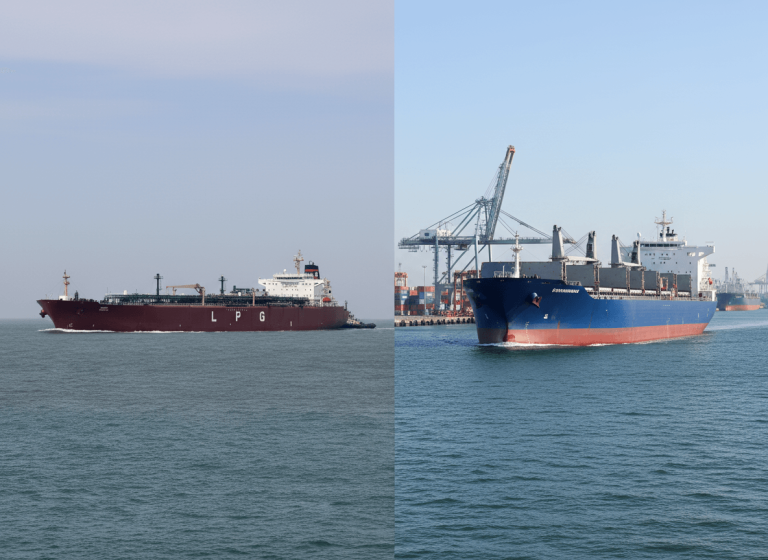
One of the immediate consequences of the unrest is the heightened risk to shipping, particularly the passage of oil tankers through the Strait of Hormuz. India, heavily reliant on crude oil imports, is in active discussions with the United States to secure an insurance plan for its tankers and vessels. The aim is clear: to ensure safe passage through this strategically vital waterway. This proactive stance underscores the criticality of uninterrupted oil supplies for India’s economy. The ‘who’ in this scenario is India and the United States, collaborating to mitigate risks. The ‘what’ is an insurance plan, designed to protect the ‘what’ of oil tankers and vessels. The ‘where’ is the Strait of Hormuz, the critical chokepoint. The ‘why’ is to ensure safe passage and the continuous flow of essential resources.
Pharmaceutical Exports Under Pressure: Soaring Freight Costs
Simultaneously, India’s pharmaceutical exports are facing a potential setback. The industry is bracing for a hit of $300-500 million due to increased freight costs. Shipping companies, wary of the volatile situation, are increasingly avoiding routes through the Gulf. This impacts not only the export of finished pharmaceutical products to West Asia and beyond but also the import of raw materials from China. This is a clear example of the ‘how’ the conflict is impacting trade – through increased costs and altered shipping routes. The ‘who’ in this case are the shipping companies and Indian pharmaceutical exporters. The ‘what’ encompasses both raw material imports and finished product exports. The ‘where’ includes the Gulf and China, highlighting the geographical scope of the disruption.
Investment Shifts and the Global Impact
Beyond the immediate concerns of shipping and trade, the conflict is also triggering potential shifts in investment patterns. Gulf sovereign wealth funds, traditionally significant investors on a global scale, may redirect their focus inward. This could lead to a reduction in global investment flows, including those into India. The ‘what’ here is global investment flows, and the ‘why’ is the uncertainty and risk associated with the conflict. Companies are now building inventories, a proactive ‘how’ to manage potential supply chain delays. A resolution that reopens shipping lanes could, conversely, lead to a resurgence in global investment, underscoring the dynamic nature of the situation.
Conclusion: A Call for Vigilance and Strategic Planning
The conflict in West Asia presents a complex challenge to India’s trade and economic stability. From insurance and freight costs to potential investment shifts, the impact is multifaceted. The situation demands vigilance, strategic planning, and adaptive measures to navigate these turbulent times. The ongoing discussions between India and the U.S. regarding insurance for tankers, the industry’s inventory-building efforts, and the potential for shifting investment patterns all point to a need for proactive strategies. The future of Indian trade will depend on how effectively these challenges are managed and mitigated.
Source: Industry-Economic Times
About the Author