West Asia Conflict Impacts Indian Aviation: Limited Flights, Mass Cancellations
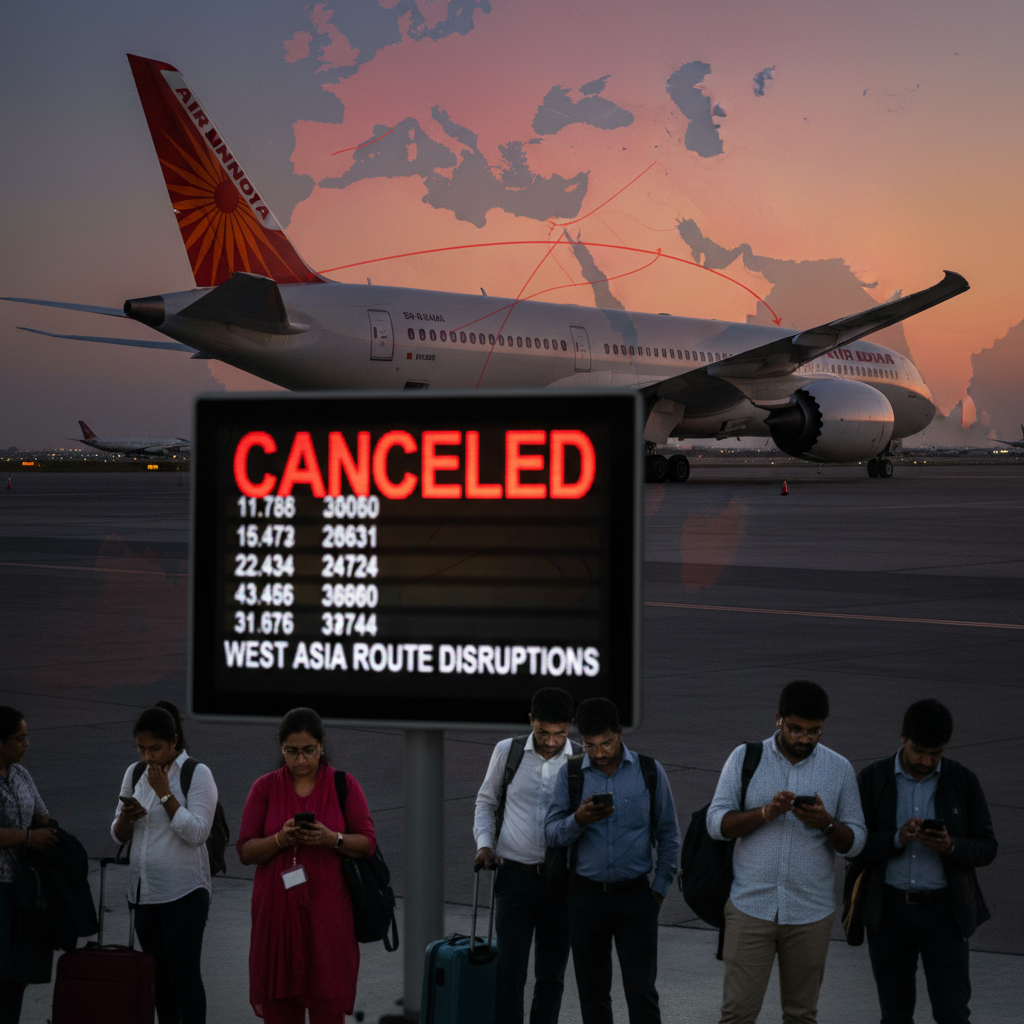
The escalating conflict in West Asia is casting a long shadow over the aviation sector, particularly impacting Indian airlines and travelers. The situation has resulted in a significant reduction in international flight operations, with major airports in key hubs like Dubai, Abu Dhabi, and Riyadh experiencing disruptions. This has forced airlines to operate under severe constraints, leading to a surge in flight cancellations and leaving many passengers stranded.
Aviation Sector Struggles Amidst Conflict
The primary concern for Indian airlines is the safety and well-being of passengers and crew. With the closure of major airports to regular commercial flights, the operational landscape has become increasingly complex. The primary focus of Indian airlines currently is to facilitate the return of stranded passengers. This has necessitated the implementation of special services and a reduced flight schedule.
Key Players and Operational Adjustments
Emirates, a significant player in the region, has begun to resume a reduced schedule. However, the overall capacity remains significantly lower than pre-conflict levels. Other airlines, including Akasa Air, IndiGo, and SpiceJet, are also navigating the challenging environment. They are running special services to manage the situation and assist those affected by the disruptions. These airlines are working to find ways to maintain connectivity while ensuring the safety of their operations.
Impact on Flight Operations and Passengers
The impact of the conflict is evident in the drastic reduction in the number of international flights originating from India. The primary why for these limitations is the conflict in West Asia. The how is through operating limited flights, mainly to bring back stranded passengers. The what includes the cancellations of numerous flights. The where includes major airports in Dubai, Abu Dhabi, and Riyadh. The when is currently. These cancellations have affected thousands of travelers, disrupting travel plans and causing significant inconvenience.
The situation underscores the vulnerability of the aviation sector to geopolitical events. The need for airlines to adapt quickly and prioritize passenger safety is paramount. The industry is closely monitoring developments and adjusting operations in response to the evolving situation.
Policy Implications and Sectoral Impact
The events in West Asia have far-reaching implications for aviation policy. Governments and regulatory bodies face the challenge of ensuring passenger safety, managing airspace restrictions, and facilitating the repatriation of citizens. The sectors most affected are aviation and travel, with significant economic consequences for airlines and related businesses.
Conclusion
The conflict in West Asia has created a challenging environment for Indian airlines and international travel. While Indian airlines are making efforts to mitigate the impact, the reduced flight schedules and ongoing cancellations underscore the severity of the situation. The aviation sector must continue to adapt and prioritize the safety and well-being of passengers and crew during this period of uncertainty.
Source: Industry-Economic Times
About the Author