Strait of Hormuz Conflict Threatens Global Internet and India’s Digital Ambitions
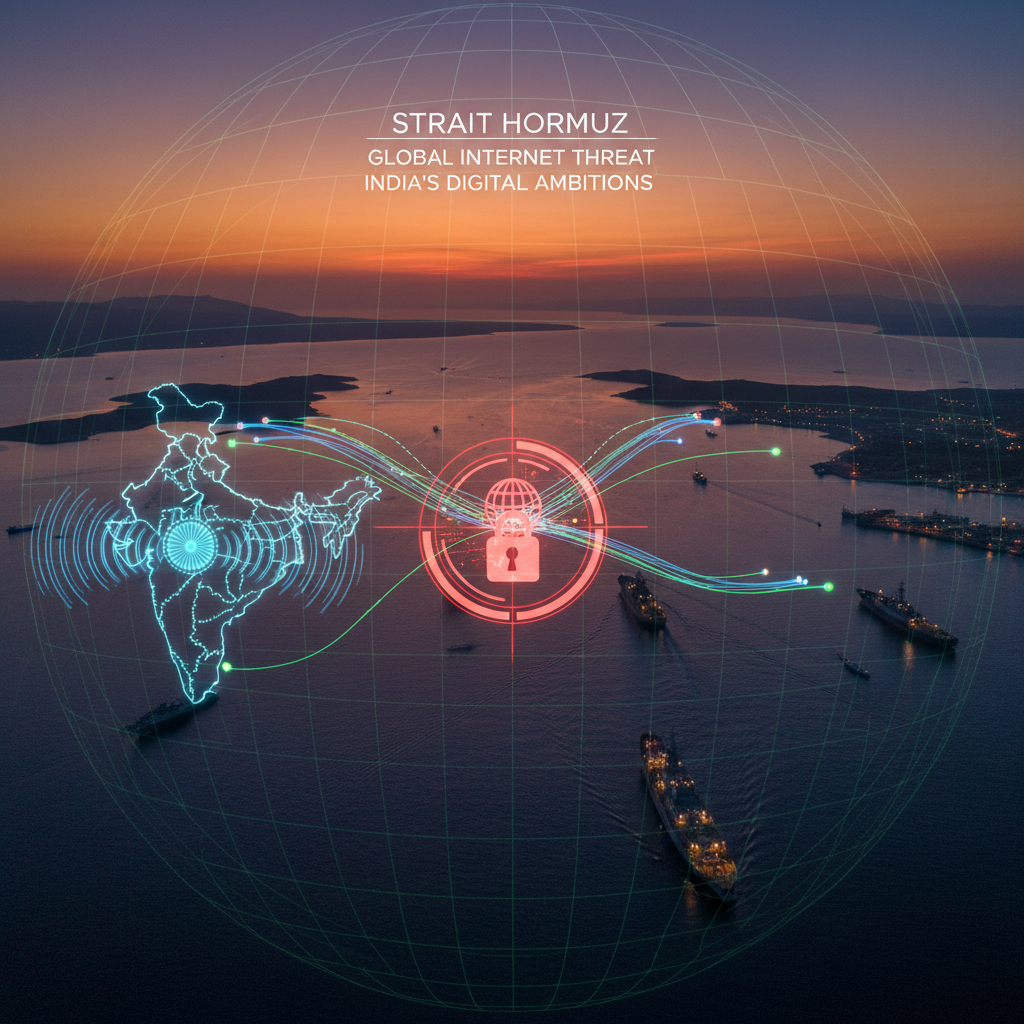
The digital world, interconnected by a vast network of undersea cables, is facing a new and concerning challenge. The Strait of Hormuz, a critical artery for this global infrastructure, has become a conflict zone. This situation, as reported by the Economic Times, is not merely a regional issue; it’s a potential disruption with far-reaching consequences, particularly for India and its burgeoning digital economy.
The Vulnerability of Undersea Cables
The core of the issue lies in the vulnerability of undersea cables. These cables are the lifelines of the internet, carrying the vast majority of global internet traffic. The Strait of Hormuz, a strategic waterway, is a crucial transit point for these cables. The ongoing conflict in this area poses a direct threat to their integrity and operational capacity. This situation challenges previously held assumptions about the safety and security of these vital transit routes.
India’s Internet Connectivity at Risk
For India, the implications are particularly significant. The disruption in the Strait of Hormuz directly impacts India’s internet connectivity. This disruption is further compounded by the ongoing repair work on existing cable infrastructure. Any damage or delay in repairs could lead to reduced bandwidth, slower internet speeds, and potential outages. This could significantly impact various sectors, from business and finance to education and healthcare, all of which rely heavily on a stable and reliable internet connection.
Impact on Data Centers and Cloud Services
Beyond immediate connectivity issues, the conflict has the potential to delay India’s data center ambitions. The growth of data centers is critical to supporting the country’s digital transformation, allowing for greater data storage and processing capabilities. Furthermore, the situation could also hinder cloud service export goals. As India aims to become a significant player in the global cloud market, any instability in internet infrastructure poses a serious threat to its ambitions.
Challenges to Safe Transit
The core of the problem stems from the conflict itself. The instability in the Strait of Hormuz directly challenges the safe transit of undersea cables. The potential for damage from military activities or other forms of conflict is a major concern. This directly impacts the ability of these cables to function. The increased risk has forced a reevaluation of the routes and security measures of cable projects, adding costs and delays.
The Broader Implications
The situation in the Strait of Hormuz is a stark reminder of the fragility of the global internet infrastructure. It underscores the need for greater diversification of cable routes and enhanced security measures to protect these critical assets. The conflict’s impact extends beyond immediate connectivity issues, affecting long-term digital growth and economic development, particularly for nations like India that are heavily invested in their digital futures.
Conclusion
The ongoing conflict in the Strait of Hormuz presents a serious challenge to the global internet and, in particular, to India’s digital aspirations. The disruption to undersea cables, the potential delays in data center ambitions, and the impact on cloud service export goals all highlight the urgent need for proactive measures to safeguard this vital infrastructure. The situation demands a concerted effort from governments, industry stakeholders, and international organizations to mitigate the risks and ensure the continued stability and security of the internet.
Source: Industry-Economic Times
About the Author