Middle East Turmoil: Risks to India’s Economy and Energy Security
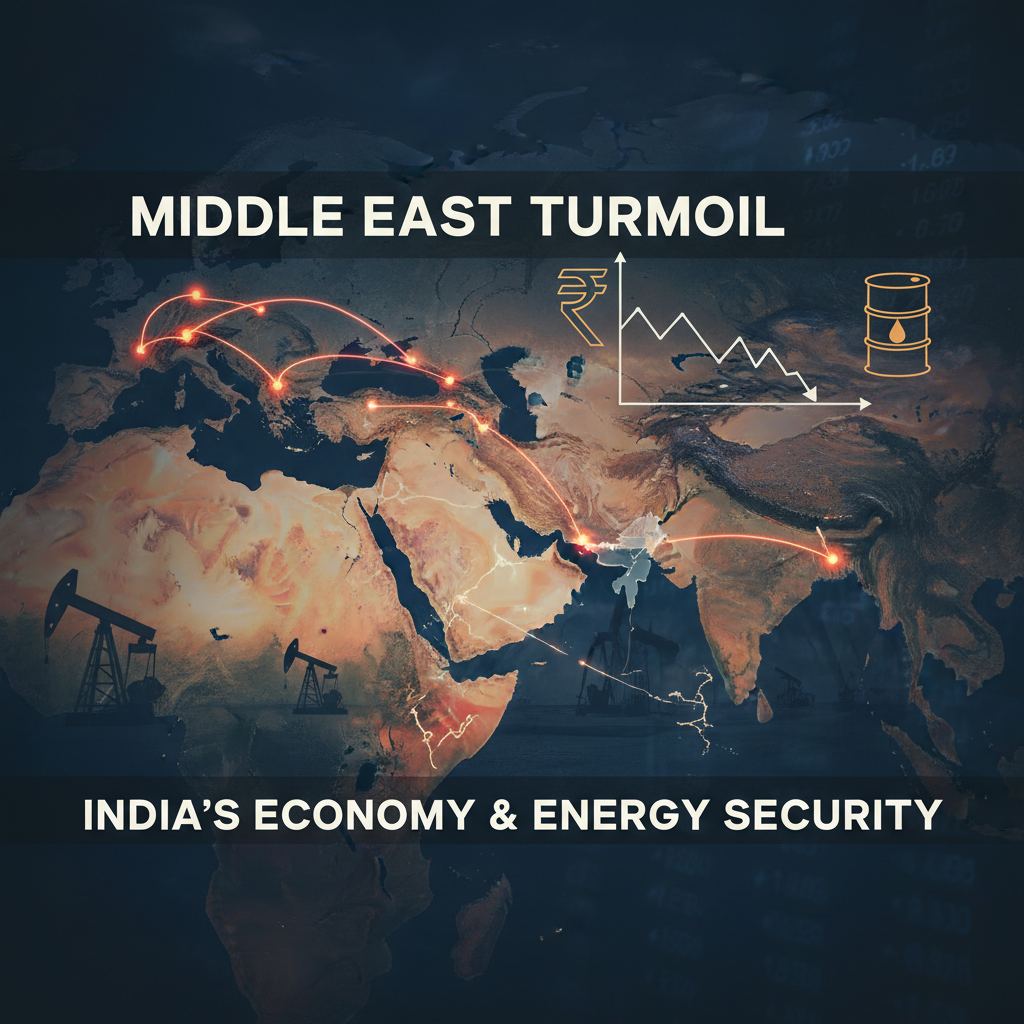
The ongoing crisis in the Middle East casts a long shadow over the Indian economy, raising concerns about trade disruptions, energy security, and inflationary pressures. As tensions escalate, particularly around the crucial Strait of Hormuz, India faces a complex web of challenges that could significantly impact its economic stability and growth. This article delves into the potential ramifications, examining the key sectors at risk, the impact on energy prices, and the broader implications for India’s financial health.
Trade Disruptions and Sectoral Vulnerabilities
The Middle East crisis threatens to disrupt trade routes and increase costs for several key sectors in India. Import-dependent industries, including those reliant on fertilizers and basmati rice, face potential cost pressures due to disruptions in supply chains. The airline industry could also experience increased operational costs as a result of rising fuel prices and potential route adjustments. These disruptions highlight the interconnectedness of the global economy and the vulnerability of key sectors to geopolitical instability.
Energy Sector Under Pressure
The energy sector is at the forefront of the crisis’s impact. Rising energy prices are a primary concern, as they can widen India’s current account deficit and fuel inflation. The escalation of tensions, especially near the Strait of Hormuz, a critical chokepoint for global energy supplies, poses a direct threat to India’s energy security. Disruptions in this area could have far-reaching consequences, affecting various industries and consumers alike.
Impact on Key Players
The crisis is already affecting key players in India’s energy market. MRPL has been compelled to shut down refining units due to oil shortages, illustrating the immediate impact of supply chain disruptions. Furthermore, Adani Total Gas has increased prices for industrial clients, citing reduced gas availability. This situation underscores the critical need for diversified energy sources and robust supply chain management.
The Global Context and Market Reactions
The crisis is not only a regional concern; it has global implications, particularly for countries heavily reliant on energy imports. The Strait of Hormuz is a vital waterway for the global oil trade, and any disruption there can send shockwaves through international markets. Goldman Sachs has emphasized the heightened risks to global energy supply chains due to the conflict, which could lead to increased volatility and uncertainty in the coming months.
Rising Costs and Market Adjustments
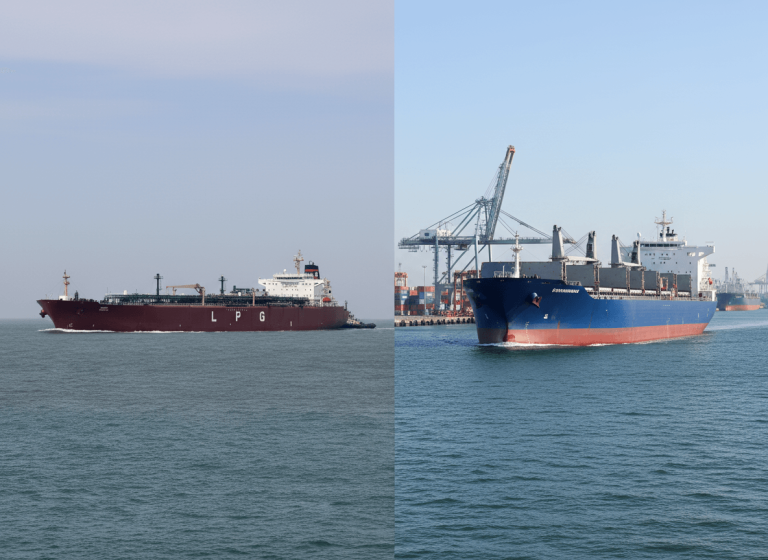
In response to the crisis, shipping costs are on the rise, adding to the financial burden on businesses. Upstream oil firms and shipping companies may benefit from increased crude prices and charter rates, but these gains could come at the expense of other sectors. The market is already adjusting to the new realities, with companies and consumers alike bracing for potential price hikes and supply disruptions.
Looking Ahead: Navigating the Challenges
As the Middle East crisis unfolds, India must navigate a complex set of challenges to protect its economic interests. The government and businesses must proactively address potential supply chain disruptions, explore alternative energy sources, and implement strategies to mitigate inflationary pressures. The situation calls for a multi-faceted approach, including diplomatic efforts, strategic partnerships, and robust economic policies.
The ongoing crisis underscores the need for resilience and adaptability in the face of geopolitical uncertainty. India’s ability to navigate these challenges will be crucial in maintaining its economic stability and ensuring sustainable growth in the years to come. The situation demands vigilance, strategic planning, and a commitment to safeguarding the nation’s economic interests.
Source: Industry-Economic Times
About the Author