Iran War’s Grip: How Conflict Threatens Global Oil and Gas
The geopolitical landscape of the Middle East is once again at a critical juncture, with the ongoing Iran war casting a long shadow over the global energy market. The implications are significant, particularly for the oil and gas sectors, as escalating tensions disrupt the flow of vital resources. According to a recent report from the Industry-Economic Times, the repercussions of the conflict are already being felt worldwide. (Source: Industry-Economic Times)
The Strait of Hormuz: A Chokepoint Under Siege
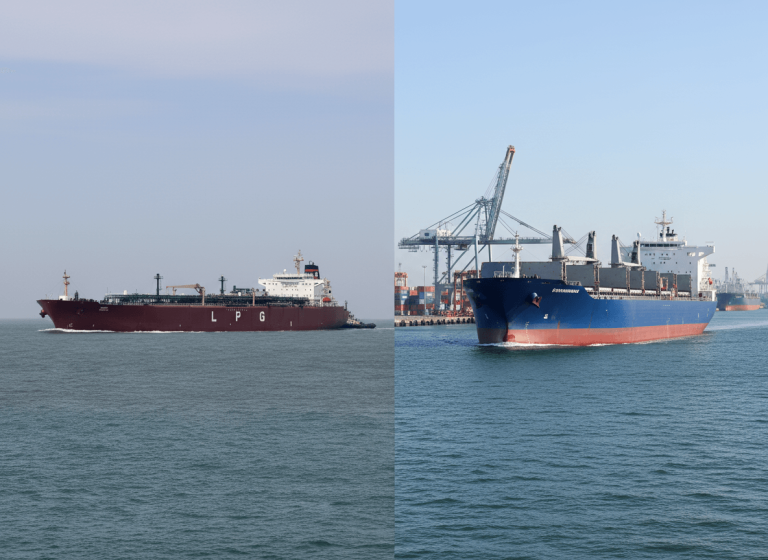
At the heart of the matter lies the Strait of Hormuz, a strategic waterway through which a significant portion of the world’s oil and gas supplies transit. Following U.S. and Israeli attacks on Iran, tanker traffic through this critical chokepoint has drastically reduced. The de facto closure of this vital shipping lane poses a severe threat to global energy supplies. Only a handful of vessels are currently navigating the strait, creating a bottleneck that has immediate and far-reaching consequences.
Soaring Prices and Supply Chain Disruptions
The reduction in tanker traffic is not merely a logistical issue; it’s an economic one. As a direct result of the reduced supply, oil prices and gas prices are experiencing a surge. This increase puts additional strain on the global economy, impacting various sectors from transportation to manufacturing. Shipping companies are also feeling the pinch, as they face the difficult decision of whether to continue operations amid rising safety concerns and escalating insurance costs. The decision to pause operations underscores the severity of the situation and the immediate impact on the movement of oil and gas.
Geopolitical Fallout and Sectoral Impacts
The Iran war is not just a regional conflict; it’s a global event with far-reaching implications. The reduced flow of oil and gas has macro-economic consequences, affecting sectors that depend on these resources. The geopolitics of the Middle East are further complicated, as the conflict underscores the fragility of global energy supply chains. For sectors and macro levels, the immediate impact is increased costs and potential supply shortages. The long-term effects could include shifts in trade routes, altered investment strategies, and a reevaluation of energy security policies.
The Ripple Effect: Beyond Oil and Gas
The implications of the Iran war extend beyond the immediate impact on oil and gas. Rising energy prices can trigger inflation, affecting consumer spending and business investment. Industries that rely heavily on energy, such as manufacturing and transportation, could face increased operating costs, potentially leading to job losses or reduced production. The situation underscores the interconnectedness of the global economy and the vulnerability of various sectors to geopolitical instability.
Navigating the Crisis: Challenges and Opportunities
As the conflict continues, the challenge for the global community is to mitigate the risks and find solutions to ensure a stable supply of energy. This requires coordinated efforts from governments, international organizations, and energy companies. Strategies might include diversifying energy sources, improving shipping security, and developing alternative trade routes. The current crisis highlights the urgent need for long-term energy security strategies that protect against geopolitical risks and ensure stable access to vital resources.
Conclusion
The Iran war is reshaping the global energy landscape, causing significant disruptions to the flow of oil and gas. The immediate consequences are soaring prices, supply chain disruptions, and increased economic uncertainty. The situation demands urgent attention and a coordinated response to mitigate the risks and ensure the stability of global energy markets. The impact of the conflict serves as a stark reminder of the interconnectedness of the world and the importance of addressing geopolitical tensions to safeguard economic stability.
About the Author