Middle East Conflict Threatens India’s Pharma Exports
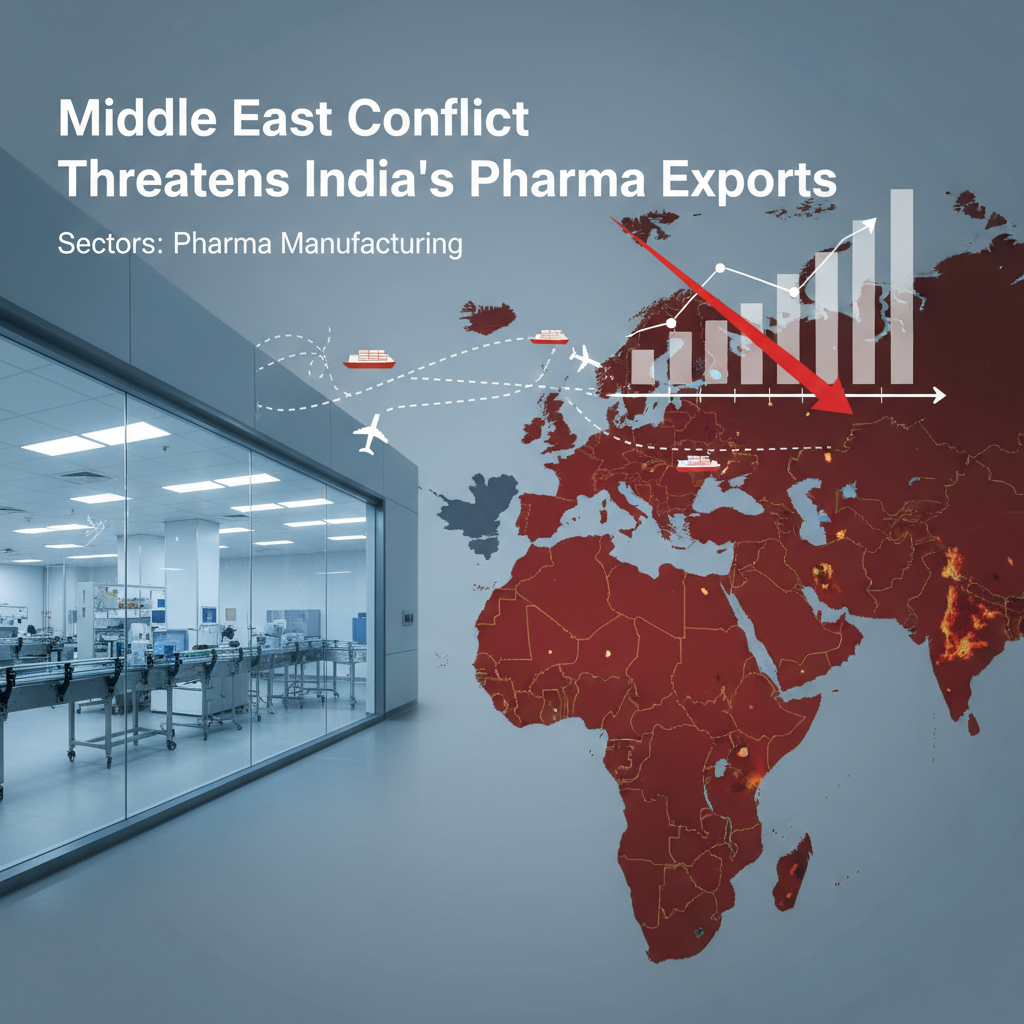
The specter of a widening conflict in the Middle East casts a shadow over India’s pharmaceutical export industry. According to a recent report by the Economic Times, the escalating geopolitical tensions pose significant challenges to the smooth flow of Indian drug exports, potentially disrupting supply chains and impacting critical markets. This situation warrants careful consideration, particularly for stakeholders in the pharma manufacturing sector.
Potential Disruptions to Shipping and Transit
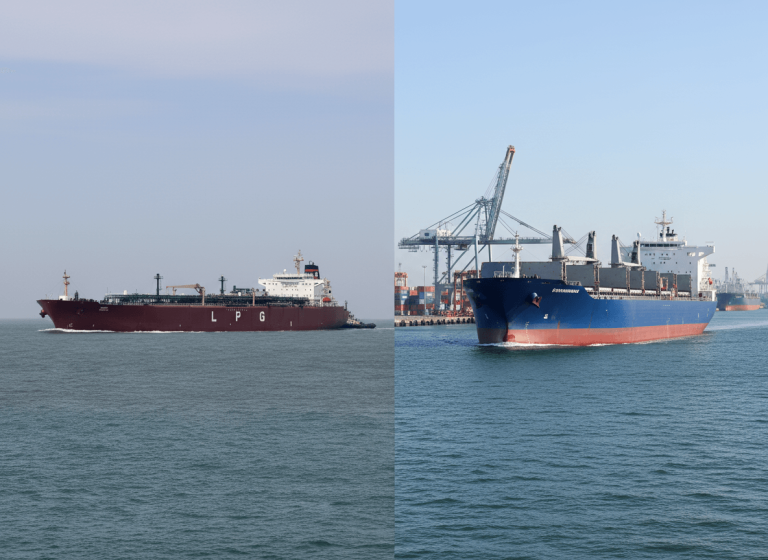
The primary concern revolves around the potential disruption of vital shipping routes. The Middle East serves as a critical transit point for numerous trade routes, and any escalation of the conflict could lead to significant delays and increased costs. Specifically, the report highlights the risk of longer transit times, which is particularly concerning for temperature-sensitive medicines. These delays can compromise the efficacy and safety of these essential products, potentially affecting patient care in various regions.
Furthermore, the increased freight costs are another major worry. As shipping routes become more precarious, the cost of transporting goods is likely to increase. This could erode the profit margins of Indian pharmaceutical exporters and make their products less competitive in the global market. The report also points out that air cargo routes are not immune to these risks, which means that even faster modes of transportation could be affected.
Impact on Key Markets
The United Arab Emirates (UAE) and Saudi Arabia are identified as key markets that could be particularly affected. These countries are significant importers of Indian pharmaceuticals, and any disruption in supply could have serious consequences. Delays in these markets could lead to shortages and affect the availability of essential medicines for patients. The impact on these crucial markets underscores the urgency of addressing the potential challenges posed by the conflict.
Industry Concerns and Mitigation Strategies
The Indian pharmaceutical industry, as a whole, is closely monitoring the situation. Stakeholders are likely considering various mitigation strategies to minimize the impact of the conflict. This might include exploring alternative shipping routes, securing additional storage capacity, and building buffer stocks to ensure a continuous supply of medicines. However, the effectiveness of these measures will depend on the duration and intensity of the conflict.
The situation also highlights the importance of diversifying export markets and reducing dependence on any single region. While the Middle East remains a crucial market, Indian pharmaceutical companies might need to explore opportunities in other regions to mitigate the risks associated with geopolitical instability.
Conclusion
In conclusion, the widening conflict in the Middle East poses a significant threat to India’s pharma exports. The potential for disruption to shipping routes, longer transit times, increased freight costs, and delays in key markets like the UAE and Saudi Arabia warrants careful attention from industry stakeholders and policymakers. Proactive measures are needed to ensure the continued availability of essential medicines and to safeguard the interests of the Indian pharmaceutical industry. As the situation evolves, continuous monitoring and strategic adaptation will be crucial to navigate these challenging circumstances. (Source: Economic Times)
About the Author