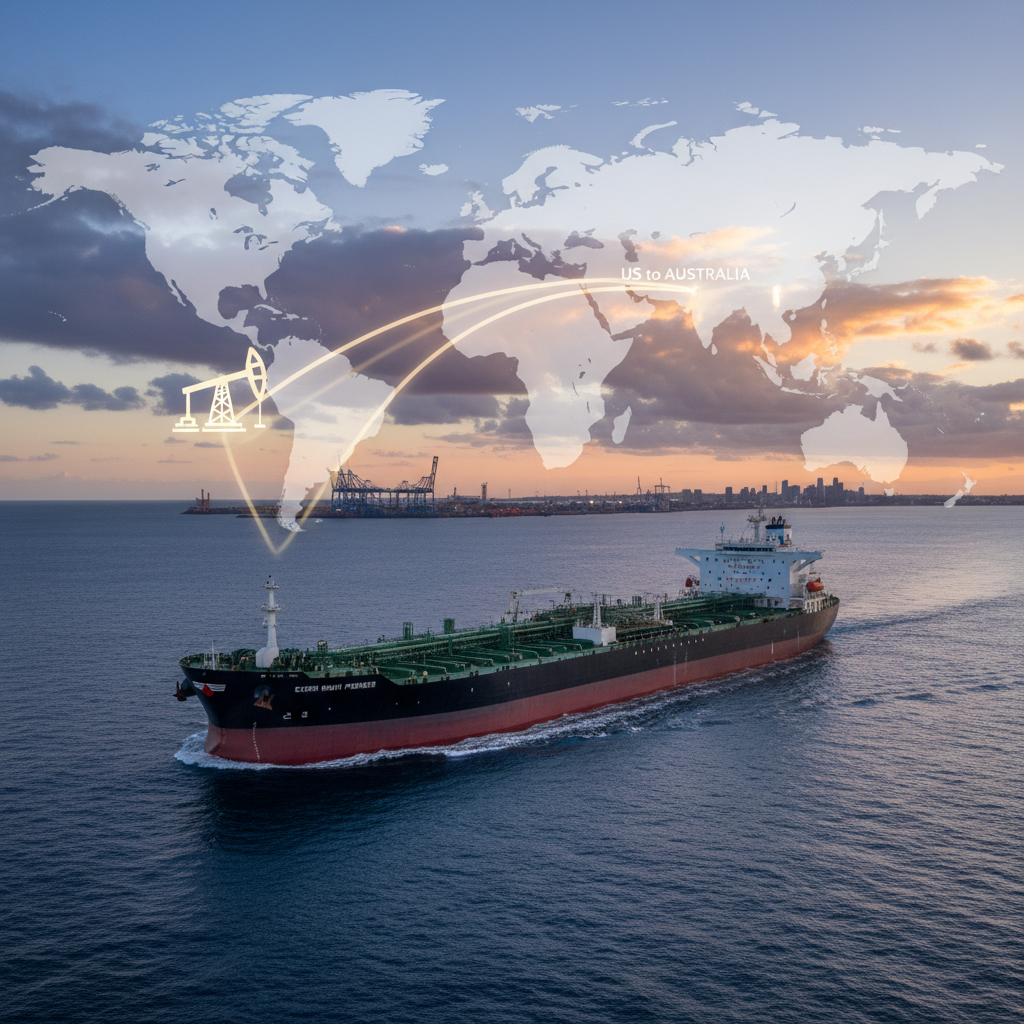
Exxon Mobil’s First Fuel Shipment from US to Australia Amidst Global Trade Shifts
In a significant development for the global energy market, Exxon Mobil is set to dispatch its first fuel shipment from the U.S. Gulf Coast to Australia. This landmark move, confirmed by industry sources, involves the transport of at least 300,000 barrels of gasoline. The decision underscores the evolving landscape of international trade and the ripple effects of geopolitical instability.
A New Route for a New Era
The shipment marks a first for the oil major, highlighting the company’s adaptability to changing global conditions. The journey from the U.S. Gulf Coast to Australia represents an unprecedented route for Exxon Mobil, signaling a strategic shift in its supply chain management. This move is particularly noteworthy given the backdrop of disruptions in the Strait of Hormuz, a critical chokepoint for global oil transport. According to the Economic Times, this event reflects the impacts of global trade dynamics.
Why Australia? Why Now?
The decision to send fuel to Australia, and the timing of this shipment, are likely influenced by a confluence of factors. The disruption of shipping in the Strait of Hormuz is a key driver, as it forces companies to seek alternative routes to ensure the continuous supply of fuel. Additionally, Asian refiners are grappling with crude supply shortages, which adds further pressure on the global fuel market. This situation has led Exxon Mobil to re-evaluate its distribution strategies, opting for a longer but potentially more reliable route to meet the demands of the Australian market.
Impact on Global Trade
This fuel shipment underscores the interconnectedness of global trade and the vulnerability of supply chains to geopolitical events. The shift in route, from a potentially more direct path to a longer one, highlights the need for flexibility and strategic planning in the face of uncertainty. The move by Exxon Mobil reflects a broader trend among major corporations to diversify their supply chains and mitigate risks associated with regional instability. The impacts of these changes will be felt across multiple sectors, from shipping and logistics to the refining industry and, ultimately, to consumers.
Implications for Asian Refiners
The crude supply shortages faced by Asian refiners are a significant concern, as they can lead to increased fuel prices and economic instability in the region. Exxon Mobil’s actions, while aimed at securing its supply lines, also reflect the broader challenges faced by the industry. The situation underscores the importance of strategic partnerships, diversified sourcing, and proactive risk management in navigating the complexities of the global energy market. The implications of this event will be closely watched by industry analysts and policymakers alike.
Conclusion
Exxon Mobil’s first fuel shipment from the U.S. Gulf Coast to Australia represents a significant development in global trade. It highlights the company’s adaptation to changing market conditions and the broader impacts of geopolitical events on the energy sector. As the situation in the Strait of Hormuz continues to evolve and Asian refiners face supply shortages, this move underscores the need for strategic agility and robust supply chain management in the face of global uncertainty.
About the Author