Russia to Boost Oil Supplies to India and China Amid Strait of Hormuz Tensions
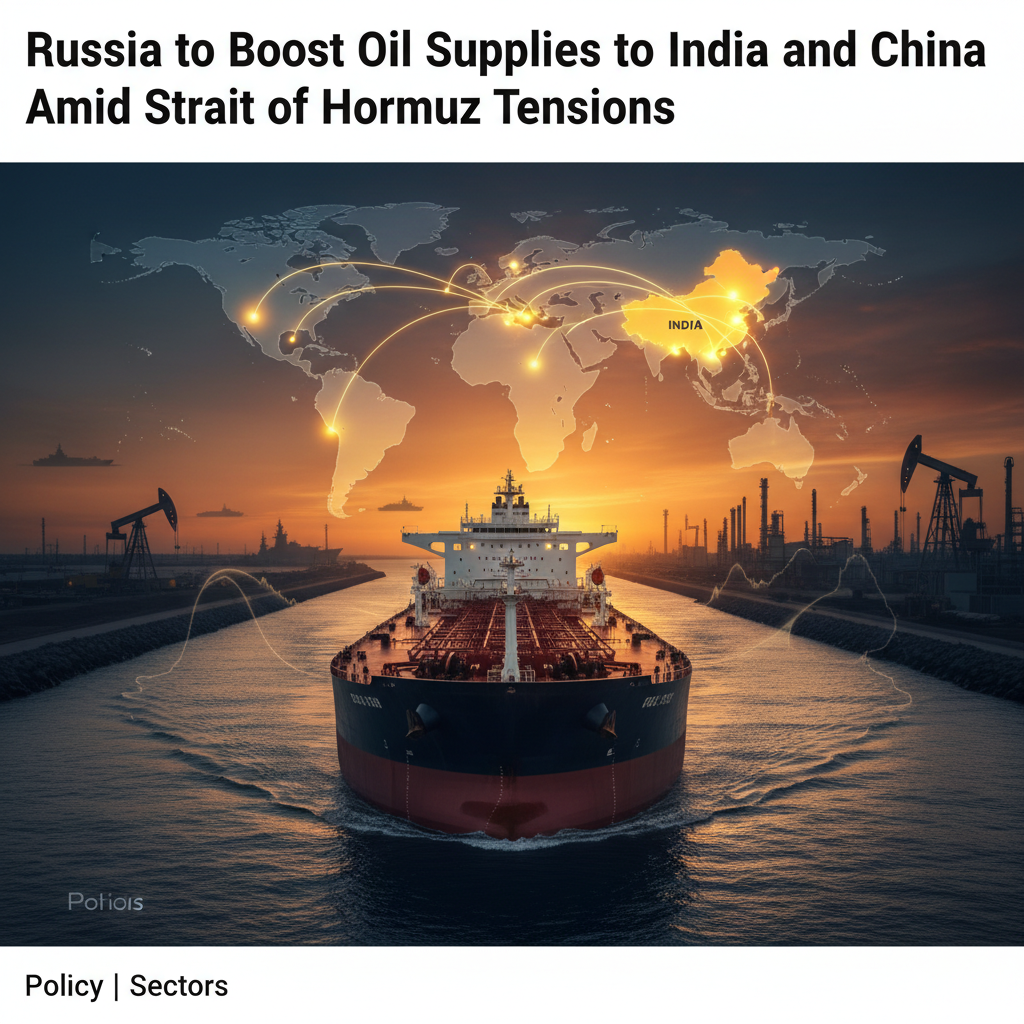
In a move that underscores the complex interplay of global energy markets and geopolitical tensions, Russia has announced its readiness to increase oil supplies to China and India. This decision comes as the Strait of Hormuz remains a focal point of concern, with Iran asserting its authority in the region. The US Navy is closely monitoring the situation, prepared to protect vital tanker routes through this strategic waterway.
The Strategic Context
Why is Russia taking this step? The answer lies in the escalating tensions within the Strait of Hormuz. This critical chokepoint handles a significant portion of the world’s oil transit, making it a key area of strategic importance. In response to rising tensions, Russia sees an opportunity to solidify its energy partnerships with China and India, two major consumers of oil. This proactive approach not only diversifies Russia’s market but also strengthens its economic ties with these nations.
The Players and Their Roles
The situation involves several key players, each with their own strategic interests. Russia, as a major oil producer, is keen to ensure its oil continues to flow to key markets. China and India, both rapidly growing economies, are heavily reliant on oil imports to fuel their growth. Iran’s actions in the Strait of Hormuz directly impact the stability of oil transit routes. The US Navy, with its presence in the region, is tasked with maintaining freedom of navigation and protecting commercial shipping.
Impact on the Energy Sector
The decision by Russia to increase oil supplies is likely to have ripple effects throughout the energy sector. Increased supply to China and India could influence global oil prices, potentially offsetting supply disruptions from the Strait of Hormuz. This move also highlights the evolving dynamics of the global oil market, where relationships between producing and consuming nations are constantly being reshaped by geopolitical events. The US Navy’s readiness to protect tanker routes further underscores the importance of this region for global energy security.
Geopolitical Implications
Beyond the immediate impact on oil supply, this situation has significant geopolitical implications. The actions of Russia, Iran, the US Navy, China, and India are all interconnected, and their decisions reflect broader strategic considerations. The Strait of Hormuz is a critical artery for the global economy, and any disruption to the flow of oil can have far-reaching consequences. This situation serves as a reminder of the fragility of global supply chains and the importance of international cooperation in maintaining stability.
Conclusion
The decision by Russia to increase oil shipments to China and India amidst rising tensions in the Strait of Hormuz is a significant development. It highlights the complex interplay of energy, geopolitics, and global security. As the situation unfolds, the actions of these key players will continue to shape the landscape of the global energy market and influence international relations. The US Navy’s vigilance in the region underscores the commitment to protecting vital trade routes.
Source: Industry-Economic Times
About the Author