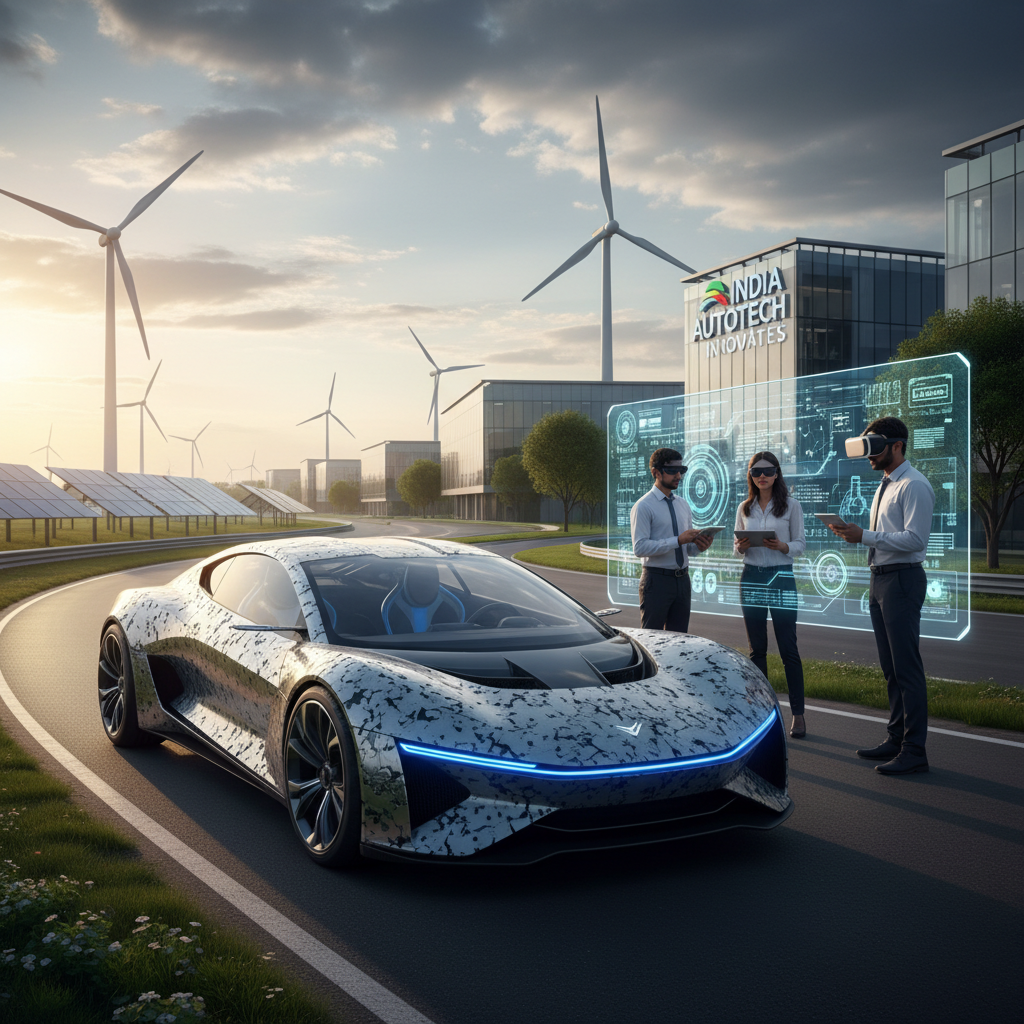
India’s Auto Industry Races for Clean Tech Talent
The Indian automotive industry is undergoing a significant transformation, driven by the global shift towards sustainable transportation. This transition, however, is not without its challenges. One of the most pressing issues facing automakers today is a critical shortage of skilled professionals in the field of clean fuel technologies. This talent gap is becoming increasingly apparent as companies like Maruti Suzuki and Hyundai aggressively pursue the development and launch of new electric, hybrid, and other clean fuel models.
The Growing Demand for Clean Tech Expertise
The push for cleaner transportation solutions in India is being fueled by a combination of factors. Government incentives and stricter emission norms are compelling automakers to invest heavily in electric vehicles (EVs), hybrid vehicles, and other eco-friendly alternatives. This shift has created a surge in demand for engineers and specialists with expertise in these emerging technologies. The need extends beyond just design and development; it encompasses areas like battery technology, charging infrastructure, and software integration – all critical components of modern electric and hybrid vehicles.
As reported by the Economic Times, the automotive industry is actively “fishing for talent” to fill this void. Automakers are boosting their recruitment efforts, seeking to attract qualified engineers who can contribute to the development and production of the next generation of vehicles. This increased demand has led to heightened competition among companies vying for the limited pool of skilled professionals. The situation underscores the urgent need for India to invest in education and training programs that can equip the workforce with the necessary skills to meet the demands of this evolving industry.
Key Players and Their Strategies
Several major players in the Indian automotive market are at the forefront of this talent acquisition drive. Maruti Suzuki and Hyundai, two of the leading automakers in the country, are actively expanding their engineering teams to support their clean tech initiatives. These companies understand that their success in the future hinges on their ability to innovate and deliver cutting-edge electric and hybrid vehicles. Their recruitment strategies likely include competitive compensation packages, opportunities for professional development, and the chance to work on groundbreaking projects.
The Role of Government and Policy
The Indian government’s role in this transformation is crucial. Government incentives, such as subsidies and tax breaks, are encouraging both consumers and automakers to embrace clean energy vehicles. Furthermore, stricter emission standards are forcing the industry to adapt and innovate. These policies are not only driving demand for clean tech talent but also creating a favorable environment for investment and growth in the sector. Continued government support, in the form of supportive policies and investment in infrastructure, will be essential to sustain this momentum.
Challenges and Opportunities
The talent gap presents both challenges and opportunities. The immediate challenge is the scarcity of qualified engineers, which can slow down the pace of innovation and product development. However, this also presents a significant opportunity for individuals and educational institutions. Those who acquire the necessary skills and expertise in clean fuel technologies will be in high demand, enjoying promising career prospects and the chance to contribute to a more sustainable future. Educational institutions have a crucial role to play in adapting their curricula to meet the evolving needs of the industry.
Looking Ahead
The Indian automotive industry is at a pivotal moment. The transition to clean energy vehicles is not just a technological shift; it’s a fundamental change in how the industry operates. The ability of automakers to secure and retain top talent in clean fuel technologies will be a key determinant of their success in the years to come. With sustained government support and a focus on developing a skilled workforce, India has the potential to become a global leader in the clean tech revolution.
About the Author