![[A descriptive alt text for accessibility, max 125 characters]](https://globalsouthcapitaltimes.sortd.pro/wp-content/uploads/sites/7/2026/03/image-1772650928443.png)
Hormuz Shutdown Deepens: US Strike, Stranded Tankers, and Soaring Energy Costs
The strategic chokepoint of the Strait of Hormuz has become a focal point of escalating tensions, with significant repercussions for global energy markets. A U.S. submarine strike on an Iranian vessel has exacerbated an already precarious situation, leading to the prolonged stranding of numerous tankers and raising concerns about soaring energy prices.
The Immediate Impact: Tankers Stranded and Supply Chains Disrupted
The immediate consequence of the escalating conflict has been the disruption of vital shipping routes. According to Reuters, based on ship-tracking data from the MarineTraffic platform, at least 200 ships, including critical oil and liquefied natural gas tankers, as well as essential cargo ships, remain anchored in open waters. These vessels are stranded off the coasts of major Gulf producers, including Iraq, Saudi Arabia, and Qatar. This standstill has created a bottleneck, hindering the flow of essential resources and goods.
The Geopolitical Context: US-Iran Tensions and International Implications
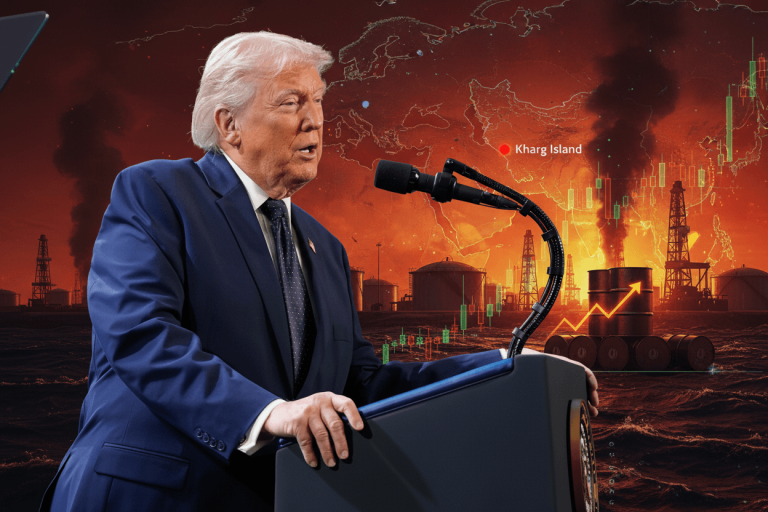
The situation is further complicated by the involvement of major global players. The U.S. submarine strike on the Iranian warship is a significant escalation, occurring amidst a backdrop of heightened tensions between the two nations. According to the Economic Times, this action occurred as U.S. President Donald Trump pledged to provide insurance and navy escorts to ships exporting oil and gas from the Middle East. The purpose of this initiative was to contain the rise of energy prices, but it has seemingly done the opposite.
Economic Ramifications: Soaring Energy Prices and Market Instability
The shutdown of the Strait of Hormuz, coupled with the U.S. actions, has sent ripples through the global economy. The stranding of tankers has limited the supply of oil and gas, which in turn could lead to a surge in energy prices. This instability poses a threat to the global economy, potentially impacting everything from consumer prices to industrial production. The situation underscores the vulnerability of global markets to geopolitical events and the critical importance of secure shipping routes.
Looking Ahead: Navigating a Complex and Uncertain Future
The crisis in the Strait of Hormuz highlights the intricate link between international relations, energy markets, and global economic stability. As the situation unfolds, the actions of key players, including the U.S. and Iran, will determine the trajectory of this crisis. The world is watching to see how these events will shape the future of energy prices and international trade.
About the Author