Qatar’s Gas Halt: India’s Energy Sector Under Pressure Amidst Iranian Strikes
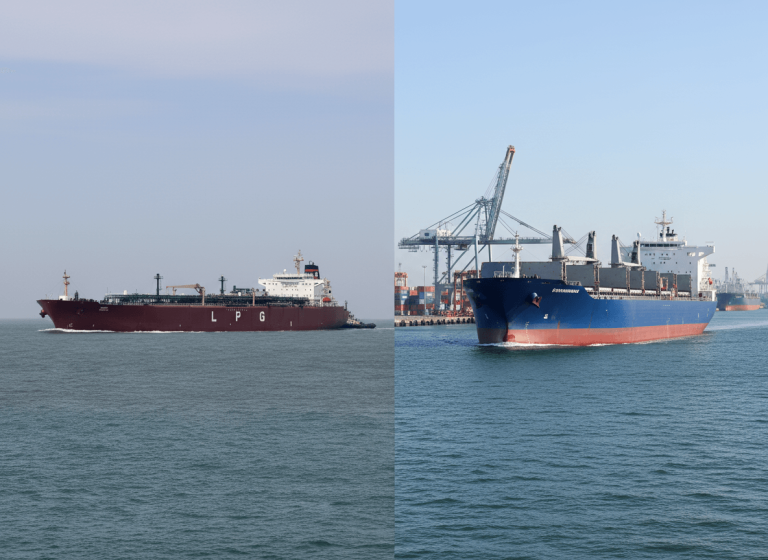
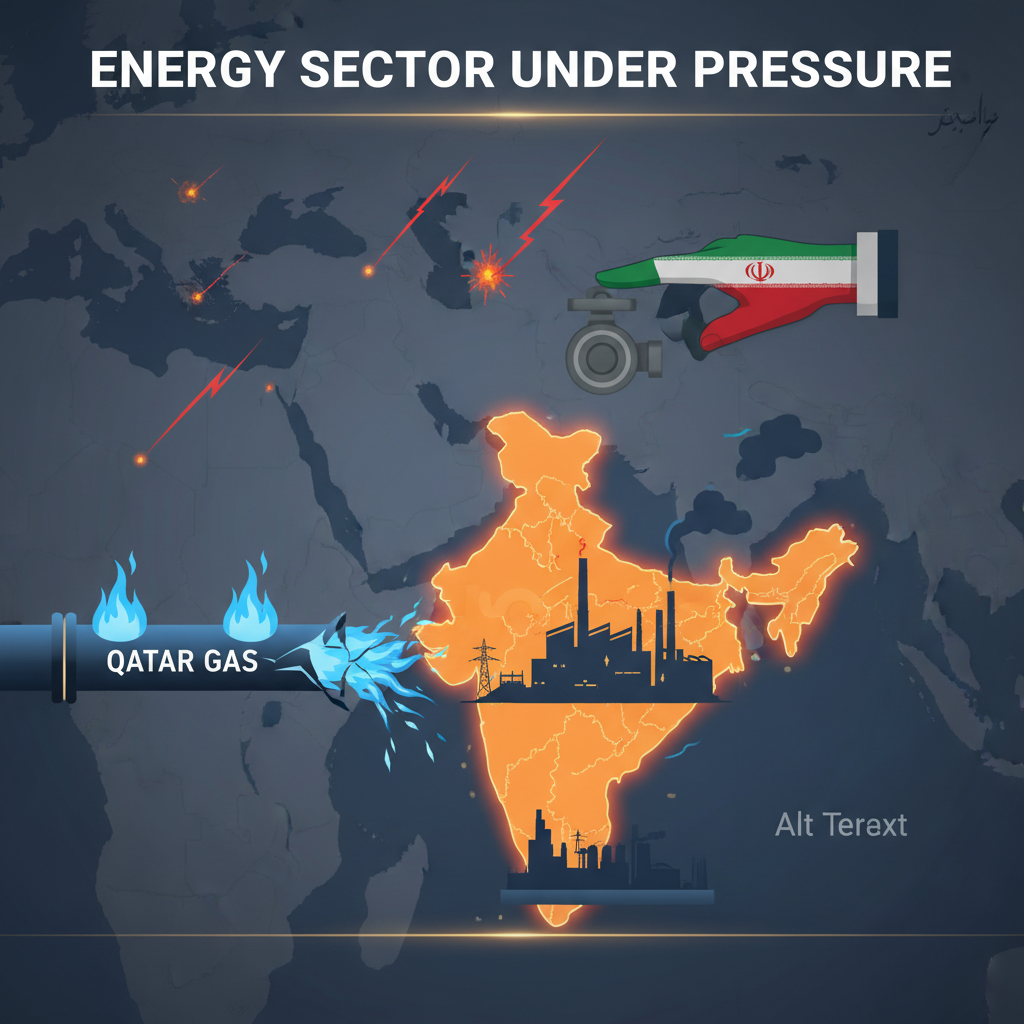
The energy landscape in India is currently navigating a significant crisis, triggered by a critical disruption in its natural gas supply. Qatar, a key supplier of liquefied natural gas (LNG), has declared force majeure, leading to a substantial reduction in gas deliveries to India. This precarious situation has been directly linked to escalating geopolitical tensions, specifically an Iranian drone strike, which has forced Qatar’s hand and sent shockwaves through the Indian energy sector.
The Immediate Impact: Supply Cuts and Sectoral Disruptions
The repercussions of Qatar’s decision are already being felt across various sectors in India. Reports indicate that up to 40% of India’s gas supplies are at risk, creating significant challenges for industries that rely on this vital energy source. Consequently, many industrial operations are facing supply cuts, forcing them to adjust production schedules and explore alternative energy solutions. The disruption has also led to the prioritization of certain sectors, with Compressed Natural Gas (CNG) and piped gas networks receiving preferential treatment to mitigate the immediate impact on essential services and consumers.
The Geopolitical Trigger: Iran’s Role in the Crisis
The root cause of this energy crisis lies in the volatile geopolitical climate. The Iranian drone strike, which prompted Qatar to declare force majeure, has exposed the vulnerabilities of the global energy supply chain to regional conflicts. This incident underscores the interconnectedness of international relations and the profound impact that political instability can have on economic sectors worldwide. The situation highlights the critical need for countries to diversify their energy sources and build resilience against unexpected disruptions.
Navigating the Crisis: Seeking Alternative Solutions
In response to the supply cuts, Indian companies are actively seeking alternative sources of natural gas. This has led to increased activity in the spot market, where firms are attempting to secure immediate supplies to meet their energy demands. The scramble for alternative supplies underscores the urgency of the situation and the financial implications for businesses. Companies are now forced to navigate a rapidly changing market environment and implement contingency plans to minimize the impact of the supply disruption on their operations.
The Broader Implications: Energy Security and Geopolitical Risks
This crisis serves as a stark reminder of the importance of energy security. It highlights the risks associated with over-reliance on a single source of supply and the need for governments and industries to adopt proactive strategies to mitigate potential disruptions. The current situation also underscores the broader geopolitical risks that can impact the energy sector, emphasizing the need for international cooperation and diplomatic efforts to ensure stable and reliable energy supplies.
Conclusion: A Call for Resilience and Diversification
The halt in gas supplies from Qatar and its impact on India’s energy sector is a clear demonstration of the fragility of the global energy landscape. It calls for immediate measures to address the supply shortfall, as well as long-term strategies to enhance energy security. Diversification of energy sources, investment in renewable energy, and proactive risk management are essential steps to building a more resilient and sustainable energy future. The crisis serves as a critical lesson, urging stakeholders to adapt and fortify their energy strategies in the face of geopolitical uncertainties.
Source: Industry-Economic Times
About the Author