India Boosts West Asia Flights Amid Iran Airspace Disruptions
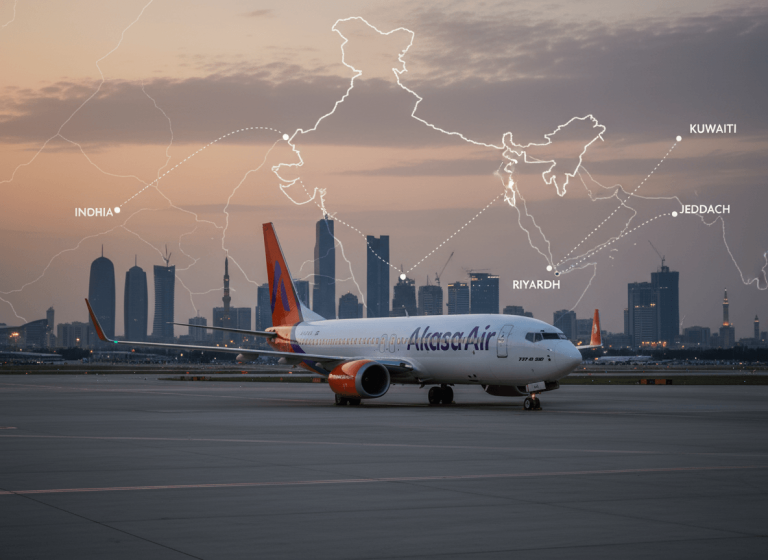
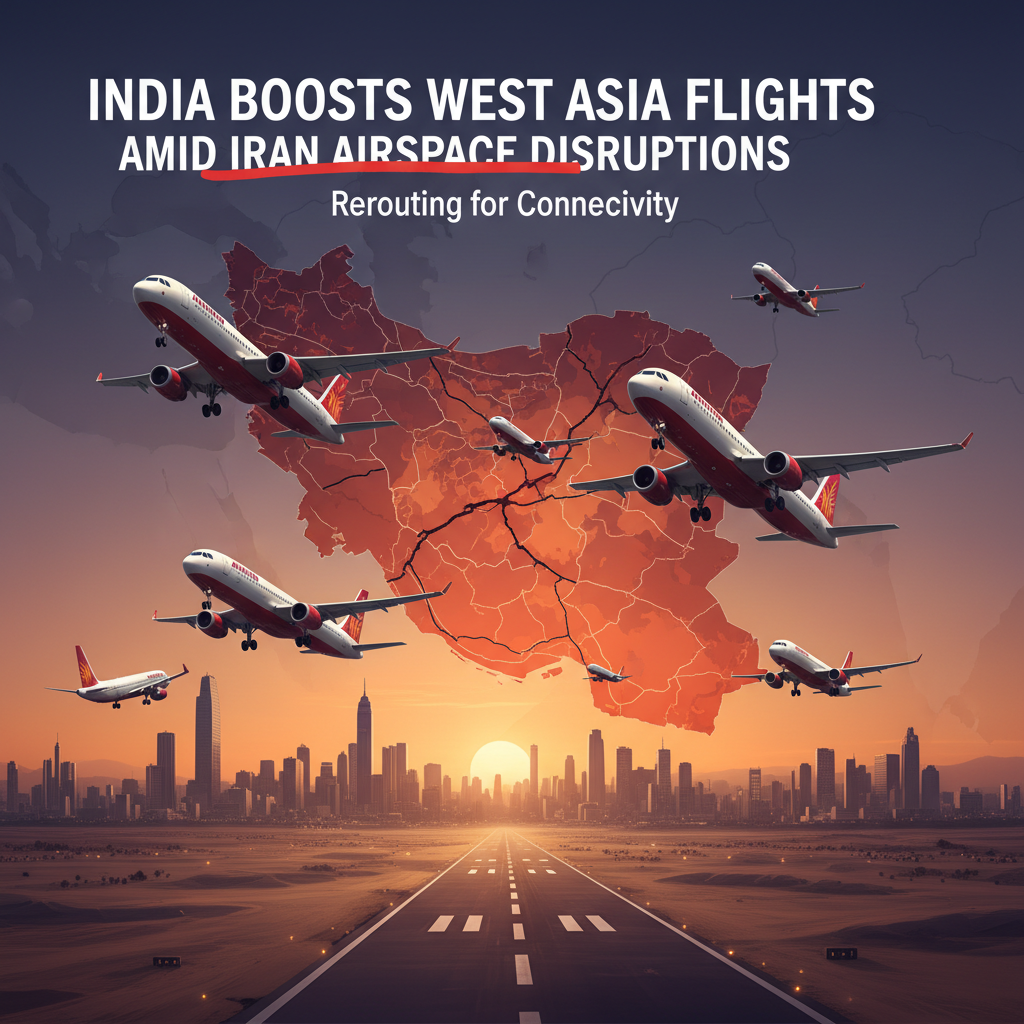
In the wake of ongoing tensions and airspace disruptions stemming from the Iran war, Indian carriers have significantly increased their flight operations to and from West Asia. This strategic move is aimed at accommodating the needs of passengers while navigating the challenges posed by the evolving geopolitical landscape. The primary objective is to ensure the safety and convenience of travelers during a period of heightened uncertainty.
Responding to Airspace Challenges
The core issue driving these changes is the disruption of airspace, which has necessitated operational adjustments by Indian airlines. These disruptions, triggered by the Iran war, have forced carriers to reroute flights and reassess their capacity to serve the region. The situation demands a proactive approach to maintain connectivity and manage passenger expectations effectively.
Deploying Widebody Aircraft and Repatriation Efforts
To address the increased demand and operational complexities, Indian carriers have deployed widebody aircraft. This allows them to carry a larger number of passengers per flight, maximizing efficiency and minimizing potential delays. Furthermore, special repatriation flights have been organized to assist individuals who may be stranded or seeking to return to India. These flights underscore the commitment of Indian airlines to support their customers during times of crisis.
Passenger Communication and Airport Procedures
A crucial aspect of managing these disruptions involves clear and timely communication with passengers. Airlines have been actively advising passengers not to proceed to airports without first confirming their flight status. This measure is designed to prevent unnecessary travel and congestion at airports, ensuring a smoother experience for those whose flights are confirmed. The focus is on providing accurate and up-to-date information to minimize inconvenience.
The Broader Context
This situation highlights the broader impact of geopolitical events on the aviation sector. The Iran war and subsequent airspace disruptions have created a dynamic environment that requires constant monitoring and adaptation. Indian carriers are responding to these challenges by implementing flexible strategies, prioritizing passenger safety, and maintaining operational resilience. The ability to adapt quickly and effectively is essential in such circumstances.
The proactive measures taken by Indian carriers, including deploying widebody aircraft and operating special repatriation flights, are a testament to their commitment to passenger welfare and operational efficiency. As the situation evolves, the airlines are expected to continue monitoring the situation and make necessary adjustments to ensure the safety and convenience of their passengers. Source: Industry-Economic Times
About the Author