City Gas Expansion Slows: Customer Additions and Infrastructure Growth Stalled
The city gas distribution sector is experiencing a period of deceleration, as evidenced by a slowdown in customer acquisitions and infrastructure development. This shift, observed between April and December, indicates a complex interplay of market dynamics and strategic adjustments by key players.
A Cooling Trend in Customer and Infrastructure Growth
The data reveals a noticeable downturn across several key metrics. City gas distributors are encountering challenges in expanding their customer base, with both industrial and household connections showing a decline. Simultaneously, the pace of infrastructure expansion, including the establishment of new CNG stations and the installation of pipelines, has decreased. This dual trend paints a picture of a sector recalibrating its growth trajectory. The what include a slowdown in customer additions, infrastructure expansion faltering, decline in industrial customer additions, drop in household connections, decrease in new CNG stations, and reduction in pipeline installations.
Industrial Customer Additions: A Significant Drop
One of the most concerning aspects of this slowdown is the marked decrease in industrial customer additions. This segment is often a key driver of revenue and growth for city gas distributors. The reduction suggests potential issues with the competitiveness of natural gas in the industrial sector or challenges in securing new contracts. This is one of the key what that is happening in the market.
Household Connections: Fewer New Additions
Household connections, another critical segment, have also experienced a decline. This may be due to factors such as slower residential construction, saturation in certain markets, or difficulties in connecting new households to the gas network. The what also include a drop in household connections.
CNG Stations and Pipeline Installations: Reduced Pace
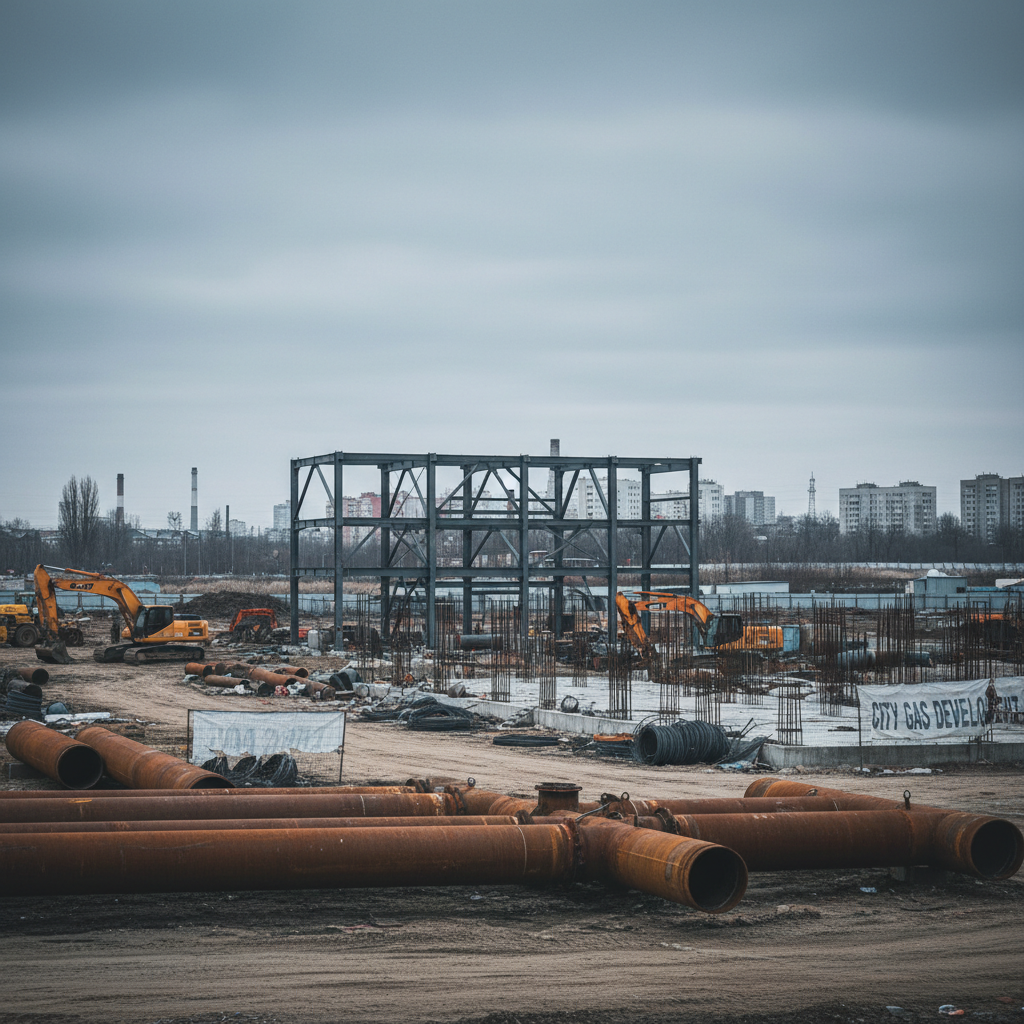
The decrease in the number of new CNG stations and pipeline installations further underscores the slowdown. This reduction could be attributed to a variety of factors, including regulatory hurdles, land acquisition challenges, or a strategic reassessment of expansion plans by companies.
The Why Behind the Slowdown
Several factors contribute to this deceleration in the city gas sector. The competitiveness of natural gas relative to other fuels is a primary concern. Additionally, challenges in securing household connections, such as the costs associated with infrastructure development or difficulties in obtaining necessary permits, are playing a role. The why include natural gas competitiveness, challenges in household connections, and companies moderating expansion to recover investments.
Strategic Moderation and Investment Recovery
In response to these challenges, city gas distributors are moderating their expansion plans. This strategic shift is likely aimed at ensuring the recovery of investments made in existing infrastructure and avoiding over-expansion in a potentially slowing market. The who are moderating expansion to recover investments.
Conclusion
The slowdown in city gas expansion between April and December represents a critical juncture for the industry. While the sector has demonstrated considerable growth in recent years, the current trends highlight the need for strategic adjustments and a focus on operational efficiency. The ability of city gas distributors to navigate these challenges will determine their future success in a dynamic energy market.
Source: Industry-Economic Times
About the Author