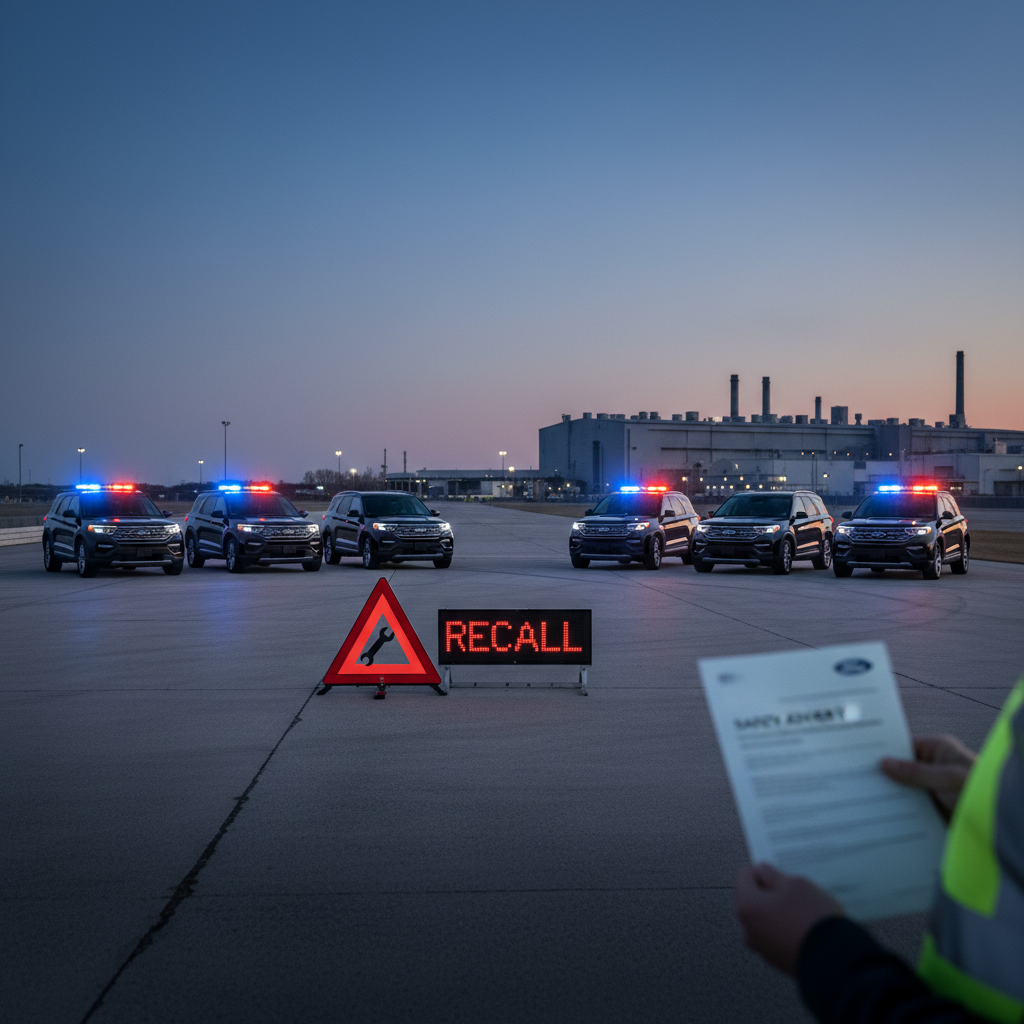
Ford Recalls Over 450,000 SUVs in US Due to Safety Concerns
Ford Motor is taking significant action to address potential safety issues, announcing a recall of over 450,000 SUVs in the United States. This move follows an assessment by the National Highway Traffic Safety Administration (NHTSA) and concerns over critical components that could compromise vehicle safety. This comprehensive recall underscores Ford’s commitment to addressing potential risks and ensuring the well-being of its customers.
Steering Defect in Explorer SUVs
The primary focus of the recall involves 412,774 Explorer SUVs, where a rear suspension toe-link defect has been identified. According to the NHTSA, this defect could lead to a fracture, potentially resulting in a loss of steering control. This is a serious concern, as the ability to steer is fundamental to vehicle safety. Ford has stated that dealers will replace the faulty parts free of charge, a proactive measure to mitigate the risks associated with this defect. The NHTSA’s involvement highlights the importance of rigorous safety standards and the role of regulatory bodies in protecting consumers.
Additional Recalls: Battery and Brake-Pedal Issues
In addition to the steering-related recall, Ford is also addressing other potential safety concerns. The automaker is recalling an additional 40,655 vehicles due to battery failures and brake-pedal defects. These issues can increase the risk of crashes, as they may impact the vehicle’s braking performance and overall reliability. The decision to recall these vehicles demonstrates Ford’s commitment to comprehensive safety measures, ensuring that all potential risks are addressed promptly. These recalls collectively represent a significant undertaking by Ford, emphasizing its dedication to vehicle safety and customer well-being.
The Role of NHTSA and Ford’s Response
The NHTSA played a key role in identifying the issues prompting these recalls. The agency’s oversight helps ensure that automakers adhere to stringent safety standards. Ford’s swift response, including the decision to recall vehicles and replace defective parts at no cost to owners, reflects its commitment to addressing safety concerns proactively. This coordinated effort between the NHTSA and Ford is a clear example of how regulatory bodies and manufacturers can work together to protect consumers. The recalls encompass a wide range of vehicles, highlighting the need for continuous quality control and safety assessments in the automotive industry.
Conclusion
Ford’s recent recalls of Explorer SUVs and other vehicles underscore the importance of vehicle safety and the rigorous standards that govern the automotive industry. By proactively addressing potential defects and working in tandem with regulatory bodies such as the NHTSA, Ford is taking steps to protect its customers and maintain its reputation for quality and safety. The recalls serve as a reminder of the critical role that manufacturers play in ensuring that vehicles meet the highest safety standards and that consumers can have confidence in the vehicles they drive.
About the Author