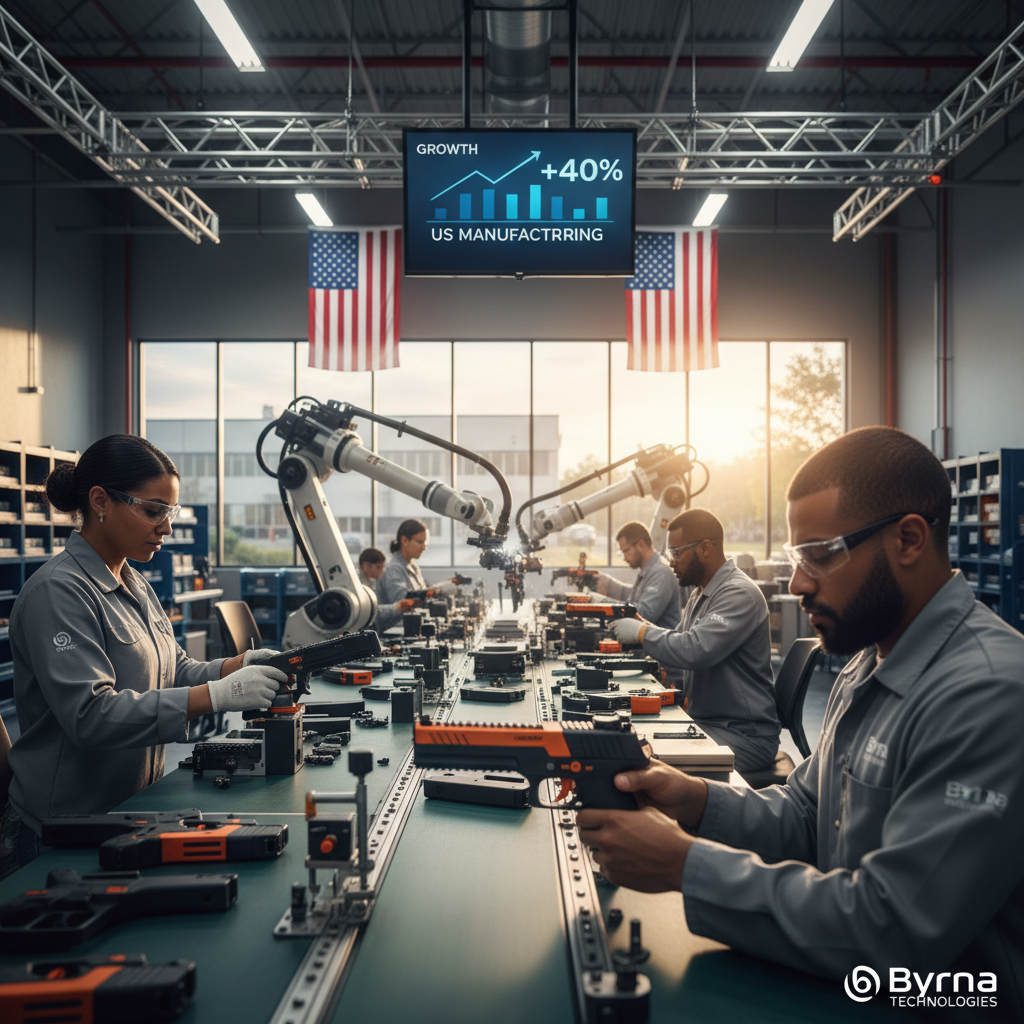
Byrna Technologies, a self-defense company, has experienced considerable benefits after relocating its manufacturing operations from South Africa to the United States. CEO Bryan Ganz made the strategic decision to onshore production to Indiana before the implementation of President Donald Trump’s tariffs, anticipating the advantages of domestic manufacturing.
Context: The move highlights a trend of companies reassessing their supply chains and manufacturing locations. Factors such as geopolitical risks, rising overseas costs, and a desire for greater control over production have fueled this shift. Byrna’s experience offers valuable insights for businesses considering similar moves.
Analysis: Ganz stated that Byrna “correctly surmised” the benefits of onshoring. This foresight allowed the company to capitalize on several advantages. Onshoring often leads to reduced shipping costs and lead times, enhanced quality control, and the ability to respond more quickly to market demands. Furthermore, manufacturing in the US can create jobs, stimulate economic growth, and offer the potential for tax benefits and government incentives.
Implications: Byrna’s success could encourage other companies in the self-defense sector and beyond to evaluate their manufacturing strategies. The company’s experience underscores the importance of considering both short-term costs and long-term strategic advantages when making decisions about manufacturing locations. The trend towards onshoring is likely to continue, driven by a combination of economic, political, and logistical factors.
Keywords: manufacturing, onshoring, Byrna Technologies, tariffs, US economy, Bryan Ganz, self-defense, Indiana, South Africa, economic benefits
Source: Latest Business News on Fox Business
About the Author