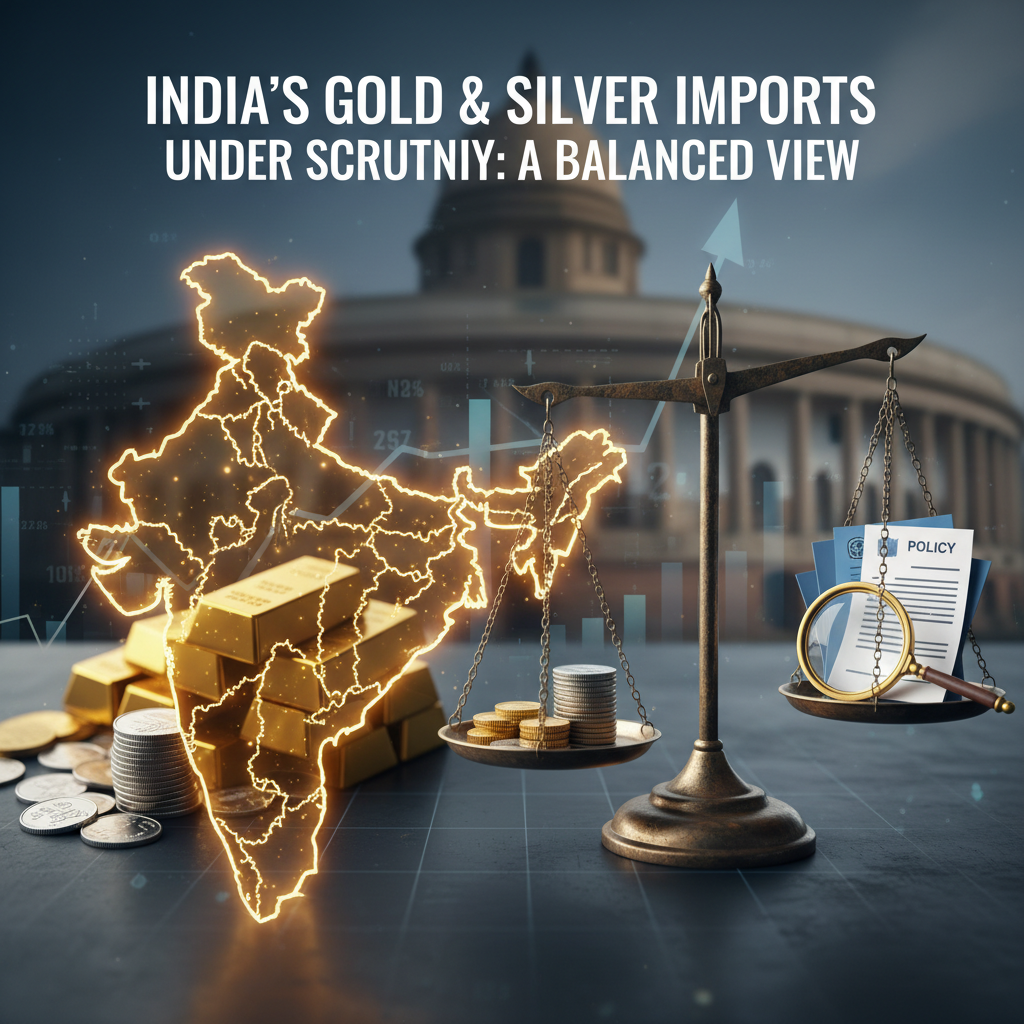
India’s Gold and Silver Imports Under Scrutiny: A Balanced View
In a recent statement, Finance Minister Nirmala Sitharaman addressed the ongoing discussion surrounding gold and silver imports into India. The government, along with the Reserve Bank of India (RBI), is closely monitoring the situation, aiming to assess the impact of these imports on the broader economy. This proactive approach reflects the government’s commitment to maintaining economic stability amidst fluctuating global markets and seasonal demand patterns.
Understanding the Context
India’s reliance on imported gold is significant, primarily due to limited domestic production. The country’s demand for the precious metal typically surges during festive periods, a well-established trend that the government and the RBI continually consider. Furthermore, global central bank purchases of gold also play a role in influencing price dynamics. The Finance Minister’s comments underscore the need to balance this consistent demand with the broader economic landscape.
Key Observations
Sitharaman’s remarks emphasized that the current prices of gold and silver are not at alarming levels. While acknowledging the seasonal demand, the government’s stance suggests a degree of confidence in the market’s ability to absorb these fluctuations. The RBI’s monitoring efforts are crucial in this context. They provide real-time data and insights, enabling policymakers to make informed decisions and respond swiftly to any emerging challenges.
The Role of the RBI
The RBI’s involvement is pivotal. As the central bank, its role extends beyond mere observation; it involves detailed analysis of import data, price movements, and the overall impact on India’s financial system. This comprehensive approach allows the RBI to identify potential risks early and implement appropriate measures to mitigate them. This proactive monitoring is a cornerstone of the government’s strategy to navigate the complexities of the gold and silver markets.
Factors Influencing Gold Prices
Several factors contribute to the price of gold. These include:
- Global Demand: Purchases by central banks and investment firms globally.
- Seasonal Demand: Increased demand during festive seasons in India and other countries.
- Currency Fluctuations: The value of the Indian Rupee against the US dollar, as gold is often priced in USD.
- Economic Indicators: Inflation rates, interest rates, and overall economic health, which influence investor sentiment.
Understanding these elements is essential for a comprehensive evaluation of the gold market’s dynamics.
Government Policy and Macroeconomic Implications
The government’s monitoring of gold and silver imports is part of a broader macroeconomic strategy. Policies related to import duties, currency management, and overall fiscal discipline are all interconnected. The government seeks to ensure that these imports do not destabilize the economy, particularly in terms of trade deficits and inflation. The Finance Minister’s statement highlights the government’s commitment to responsible economic management amid external pressures.
Conclusion
In conclusion, the Finance Minister’s statement provides a reassuring perspective on the gold and silver import situation. The government, with the support of the RBI, is actively managing the situation, recognizing the significance of these imports while mitigating potential risks. The emphasis on monitoring and proactive measures reflects a commitment to maintaining economic stability and responding effectively to market changes. As India continues to navigate the complexities of the global economy, this vigilant approach is critical.
Source: Industry-Economic Times
About the Author