India’s Children: Rising Illnesses & the Impact of Climate Change
In India, a concerning trend has emerged: children are falling ill more often. This isn’t just a seasonal blip; it’s a growing issue linked to the changing climate and its effects on the environment. Understanding the why behind this increase is crucial for parents and healthcare providers alike.
The Climate’s Impact on Young Immune Systems
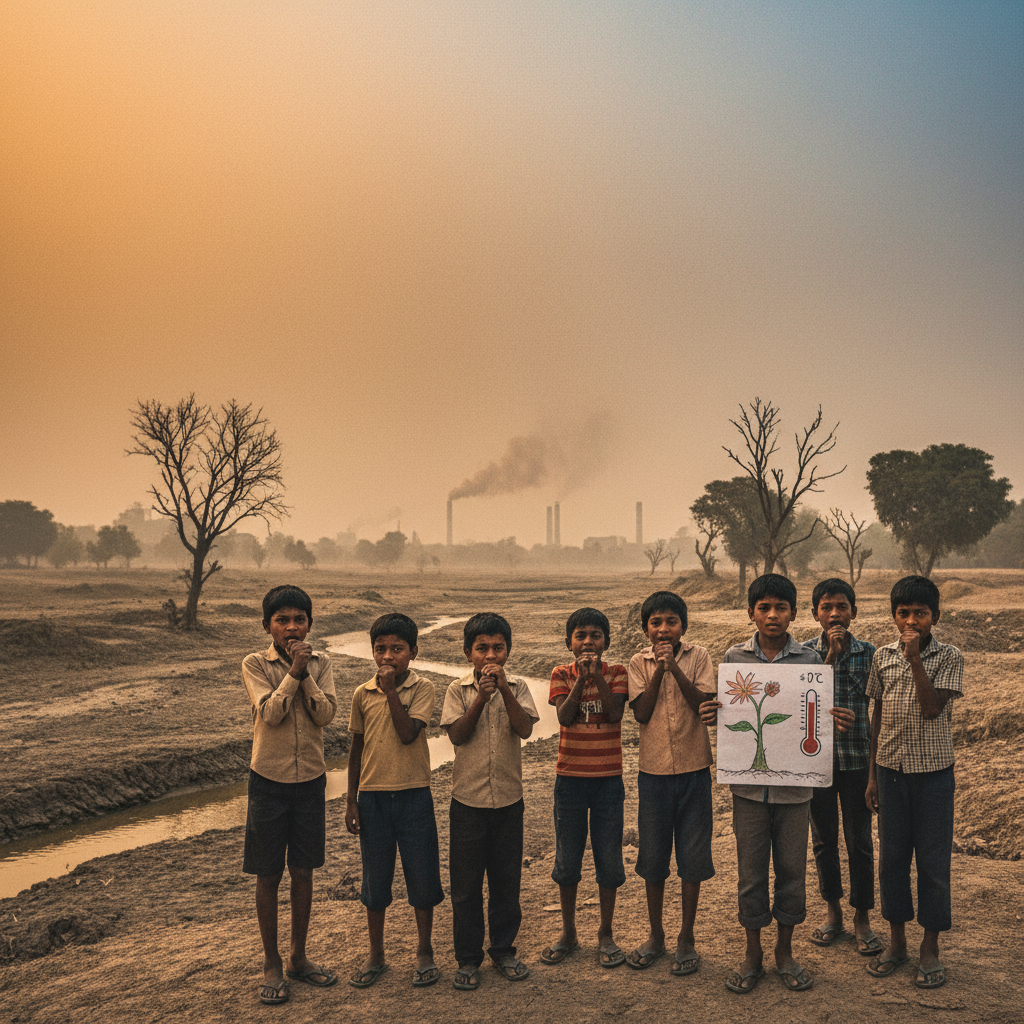
The primary why behind this rise in childhood illnesses is the impact of climate change. Extreme weather events, becoming increasingly frequent, and persistent pollution, are placing significant stress on the developing immune systems of children across India. These environmental stressors weaken their ability to fight off infections and diseases. As experts highlight, the delicate balance of a child’s health is disrupted, making them more vulnerable. This is a critical issue for public health.
The Role of Extreme Weather and Pollution
Extreme weather, including heatwaves and intense rainfall, creates conditions ripe for the spread of diseases. Simultaneously, pollution levels in many Indian cities remain alarmingly high. This combination forms a dangerous cocktail, increasing the likelihood of respiratory illnesses, infections, and other health problems in children. This situation demands immediate attention and action.
How Parents Can Respond
Recognizing the challenges, parents play a crucial role in safeguarding their children’s health. The Savlon Swasth India Mission emphasizes a proactive approach, advocating for how to build resilience through nutrition and hygiene. This includes ensuring children have access to nutritious foods that support their immune systems and practicing good hygiene to prevent the spread of infections. These are fundamental steps in protecting children from the adverse effects of environmental changes.
Nutrition as a Defense
Nutrition is fundamental in building a strong defense against illnesses. A balanced diet rich in vitamins, minerals, and antioxidants can significantly boost a child’s immune system. Parents should focus on providing a variety of fruits, vegetables, and whole grains to ensure their children receive the necessary nutrients to stay healthy, especially when illnesses are more prevalent.
The Importance of Hygiene
Alongside nutrition, maintaining good hygiene is essential. This involves frequent handwashing, especially before meals and after playing outside, and ensuring clean living environments. Teaching children about hygiene from an early age can significantly reduce their risk of contracting infections. These simple practices can make a substantial difference in protecting their health.
The Savlon Swasth India Mission: A Proactive Approach
The Savlon Swasth India Mission serves as a valuable resource, providing guidance and support to parents. Its focus on nutrition and hygiene offers practical strategies that can be implemented at home. By embracing the mission’s recommendations, parents can actively contribute to building stronger, more resilient children, capable of withstanding the environmental challenges they face. The mission provides a framework for what can be done and how to do it effectively.
Conclusion
The increasing frequency of illnesses among children across India is a serious concern, directly linked to the effects of climate change and pollution. However, by understanding the why and taking proactive steps, particularly through improved nutrition and hygiene, parents can significantly protect their children’s health. The Savlon Swasth India Mission provides a clear path forward, empowering families to build a healthier future for the next generation.
About the Author