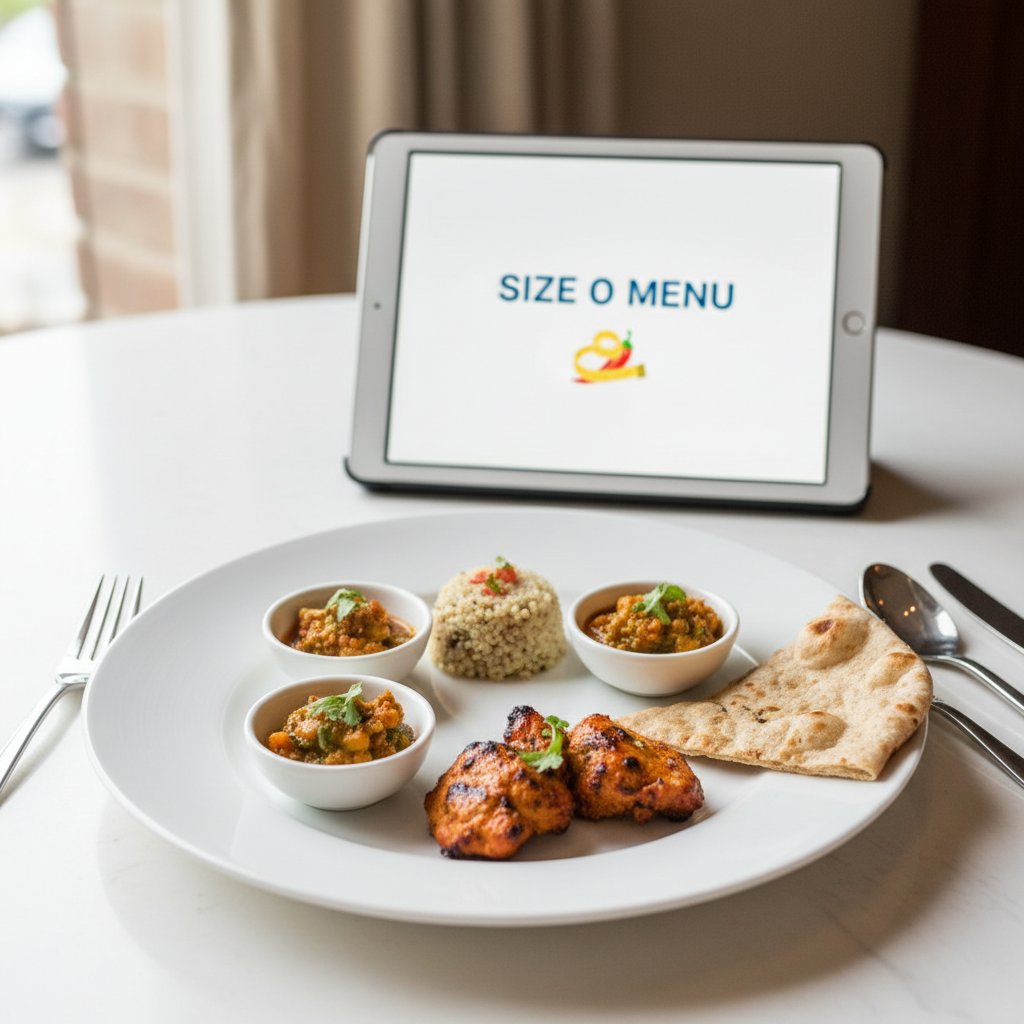
Indian Restaurants Adapt to Weight-Loss Drug Trends with ‘Size O’ Menus
In a notable shift within the food industry, Indian restaurants are beginning to adapt to the evolving dietary habits of consumers using weight-loss medications. This trend, highlighted in the context of Table 2.0, reflects a growing awareness and response to the impact of drugs like Ozempic and Mounjaro on consumer behavior. The core adaptation involves the introduction of “Size O” menus, specifically designed to offer smaller portions and lighter options, catering to the needs of those aiming for reduced calorie intake. (Source: Industry-Economic Times)
The Rise of Weight-Loss Medications and Its Impact
The increasing prevalence of weight-loss medications has created a ripple effect across various sectors, particularly within the food industry. Consumers using these medications often experience a decreased appetite and a need to adjust their eating habits to align with the drugs’ effects. Restaurateurs are now keenly observing these changes, understanding the imperative to modify their offerings to remain relevant and appealing to a changing clientele. This adaptation is not merely a trend but a strategic move to accommodate the evolving preferences of health-conscious diners.
“Size O” Menus: A Strategic Adaptation
The introduction of “Size O” menus represents a direct response to the demand for reduced calorie intake. These menus typically feature smaller portions of traditional dishes, along with options that emphasize protein over carbohydrates. This mirrors the shifts observed in other industries, such as the beverage sector, where low-sugar or sugar-free alternatives have gained significant traction. By providing these options, Indian restaurants are positioning themselves as supportive partners in their customers’ health journeys, rather than just purveyors of food.
Adapting to Changing Consumer Preferences
The shift towards “Size O” menus and lighter options is indicative of a broader trend in consumer behavior. With a growing emphasis on health and wellness, individuals are increasingly mindful of their calorie consumption and nutritional intake. Restaurateurs are thus not only catering to the immediate needs of weight-loss medication users but also aligning with a long-term shift towards healthier eating habits. This proactive approach helps in maintaining customer loyalty and attracting a wider audience who prioritize health alongside culinary experience.
Implications for the Food Industry
The adaptation seen in Indian restaurants provides valuable insights for the broader food industry. It highlights the importance of flexibility and responsiveness in a dynamic market. Restaurants must stay informed about evolving consumer preferences and health trends. By offering innovative menu options, they can effectively cater to their customers and ensure their business’s sustainability. This proactive approach demonstrates the ability of the food industry to adapt to evolving health trends and consumer needs.
Conclusion
The trend of Indian restaurants introducing “Size O” menus is a clear example of how the food industry is adapting to changing consumer needs. By providing smaller portions and lighter options, restaurants are not only catering to those using weight-loss medications but also aligning with a broader trend towards healthier eating habits. This strategic adaptation underscores the importance of flexibility, responsiveness, and a customer-centric approach in the ever-evolving culinary landscape.
About the Author