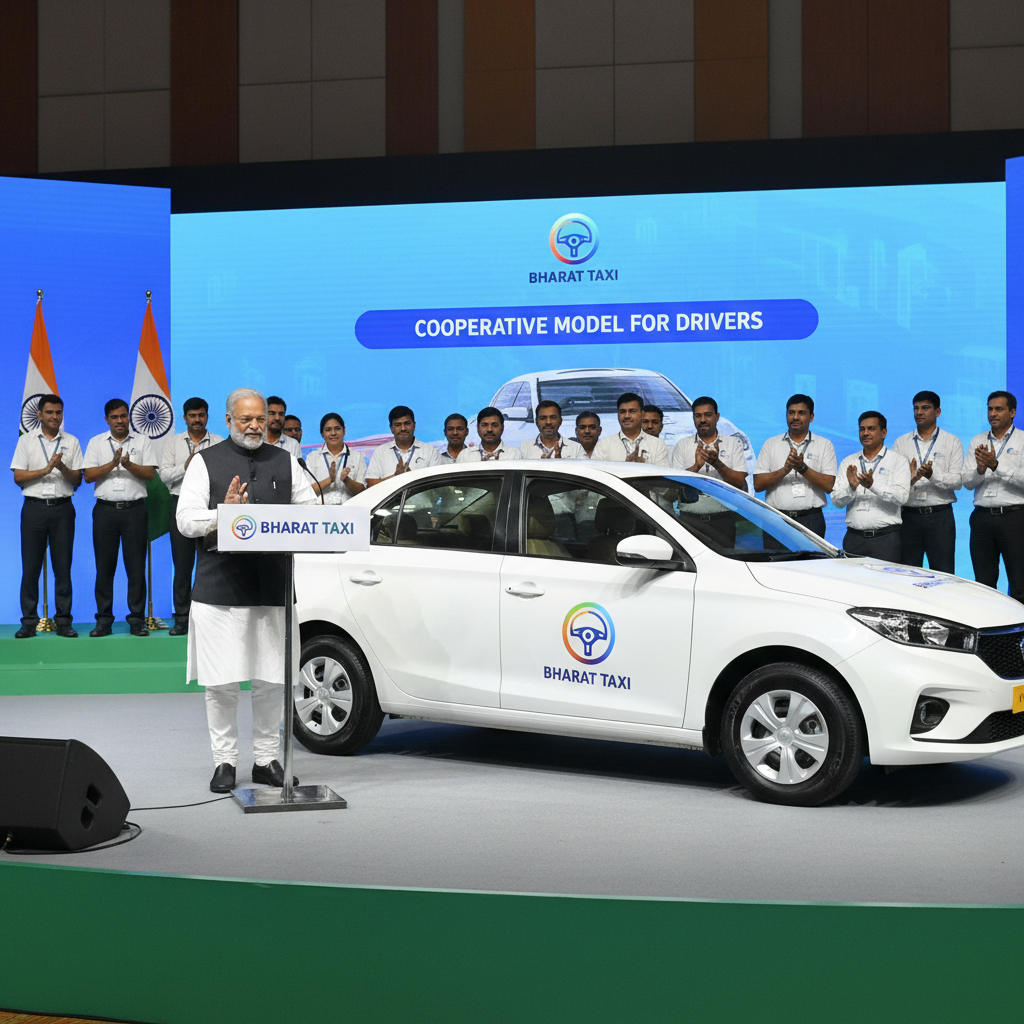
Amit Shah Champions Bharat Taxi: A Cooperative Model for Drivers
In a recent address, Union Home Minister Amit Shah shed light on the Bharat Taxi initiative, emphasizing its unique cooperative model. This approach moves beyond traditional profit maximization, focusing instead on empowering drivers through ownership and structured income. This shift in perspective, as highlighted by Shah, aims to redefine the transportation industry by prioritizing the well-being and financial stability of its workforce.
The Bharat Taxi Model: Drivers as Owners
At the heart of the Bharat Taxi model lies a simple yet powerful concept: drivers are not just employees; they are shareholders. This transformation is made possible through a small investment, allowing drivers to become part-owners of the platform. This structure, as explained by Amit Shah, ensures that drivers directly benefit from the success of the business. The platform’s commitment extends to profit sharing with drivers after an initial period, further solidifying their stake and aligning their interests with the overall growth of Bharat Taxi.
Key Features and Benefits
The Bharat Taxi model is built on several key pillars:
- Driver Ownership: The ability for drivers to become shareholders fosters a sense of belonging and investment in the company’s success.
- Profit Sharing: After an initial period, drivers participate in profit sharing, providing them with a direct financial benefit from their hard work.
- Structured Income: The model aims to provide drivers with a structured income, enhancing their financial stability and security.
Bharat Taxi is not just another transportation platform; it’s a movement towards a more equitable and sustainable model. The emphasis on driver ownership and structured income, as championed by Amit Shah, sets it apart in an industry often characterized by precarious employment conditions.
The ‘Saarthi’ Identity and Base Rate
Beyond the core cooperative model, Bharat Taxi introduces the ‘Saarthi’ identity and focuses on establishing a fair base rate. The ‘Saarthi’ identity likely signifies a commitment to providing drivers with respect, support, and a sense of partnership. The focus on a base rate indicates an effort to ensure drivers receive a minimum guaranteed income, further enhancing their financial security. These initiatives, as highlighted by Amit Shah, underscore the platform’s commitment to creating a supportive and sustainable ecosystem for its drivers.
Policy Implications and Industry Impact
The Bharat Taxi model has significant implications for both policy and the automotive industry. By prioritizing driver ownership and profit sharing, the initiative aligns with broader goals of economic empowerment and social equity. This approach could serve as a blueprint for other transportation platforms, encouraging a shift towards more driver-centric models. The emphasis on structured income and a fair base rate could also influence policy discussions around worker rights and fair labor practices in the gig economy.
Conclusion
Amit Shah’s endorsement of the Bharat Taxi model underscores its potential to transform the transportation industry. By prioritizing driver ownership, profit sharing, and structured income, Bharat Taxi is not just offering a service; it’s building a community. This cooperative approach, with its focus on the ‘Saarthi’ identity and fair base rates, represents a step toward a more equitable and sustainable future for drivers in the automotive industry. The model’s success could pave the way for similar initiatives, creating a ripple effect that benefits both workers and the industry as a whole.
Source: Industry-Economic Times
About the Author