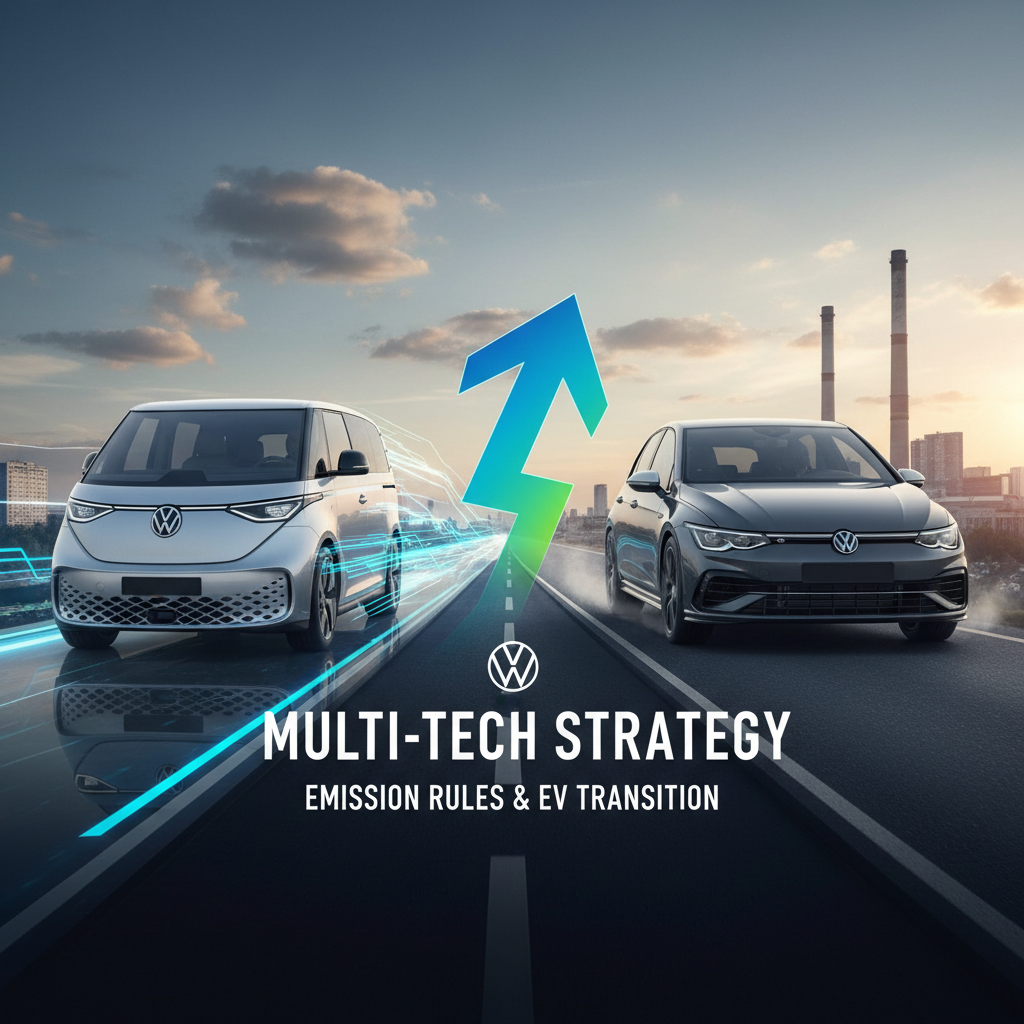
Volkswagen’s Multi-Tech Strategy: Navigating Emission Rules and the EV Transition
In a strategic move to adapt to evolving environmental regulations and prepare for the future of electric vehicles (EVs), the Volkswagen Group, spearheaded by Skoda, is charting a course toward a ‘multi-tech’ approach. This comprehensive strategy, as reported by the Economic Times, involves exploring innovative powertrain options, including CNG and flex-fuel vehicles, to meet stringent emission standards and enhance fuel efficiency. The automotive industry is witnessing a significant shift, and Volkswagen’s proactive stance highlights its commitment to remaining competitive and compliant.
A Multifaceted Approach to a Changing Automotive Landscape
The core of Volkswagen’s strategy revolves around embracing multiple technologies. This forward-thinking approach is driven by the need to navigate the complexities of stricter emission rules and the anticipated growth of EVs. By incorporating CNG and flex-fuel vehicles into its product portfolio, the Volkswagen Group aims to offer consumers diverse options that cater to varying needs and preferences while simultaneously reducing its environmental footprint. Skoda’s leadership in this initiative underscores the group’s collaborative spirit and its dedication to innovation.
Meeting Emission Standards and Fuel Efficiency Goals
The primary impetus behind Volkswagen’s multi-tech strategy is to align with stricter emission rules and enhance overall fuel efficiency. Regulatory changes are reshaping the automotive industry, and manufacturers must adapt to remain competitive. By integrating CNG and flex-fuel vehicles, Volkswagen can reduce emissions and offer more sustainable transportation solutions. This strategic shift not only demonstrates environmental responsibility but also positions the company to meet evolving fuel efficiency standards. The focus on fuel efficiency is crucial as the industry moves towards more sustainable practices.
Product Updates and New Powertrains
As part of its multi-tech drive, the Volkswagen Group is undertaking extensive product updates. These updates include the integration of new powertrains designed to accommodate CNG and flex-fuel technologies. This proactive approach ensures that the company’s product offerings remain relevant and competitive in a rapidly changing market. The introduction of these new powertrains is a clear indication of Volkswagen’s commitment to innovation and its responsiveness to market demands. The company is investing in research and development to optimize the performance and efficiency of these new technologies, ensuring they meet the highest standards.
The Role of Skoda and Future Electric Vehicle Plans
Skoda plays a pivotal role in this multi-tech strategy. The company’s leadership in the Volkswagen Group’s initiative showcases its expertise and commitment to driving sustainable solutions. Simultaneously, the multi-tech approach supports the group’s long-term electric vehicle plans. By investing in a variety of technologies, Volkswagen is ensuring a smooth transition towards an EV-dominated future, providing consumers with a range of options while reducing emissions. The company’s vision extends beyond simply complying with regulations; it aims to lead the charge in creating a more sustainable and environmentally friendly automotive industry.
Conclusion
Volkswagen’s multi-tech strategy, driven by Skoda, represents a significant step toward adapting to stricter emission rules and preparing for the future of electric vehicles. By incorporating CNG and flex-fuel vehicles into its product updates, the Volkswagen Group is demonstrating its commitment to innovation, sustainability, and meeting evolving fuel efficiency standards. This multifaceted approach not only ensures regulatory compliance but also positions Volkswagen to meet the diverse needs of consumers in a rapidly changing automotive landscape. The company’s proactive stance is a testament to its forward-thinking approach and its dedication to shaping the future of mobility.
Source: Industry-Economic Times
About the Author