Trump’s Tariff Tactics: US Global Rate Hikes Spark Trade Policy Concerns
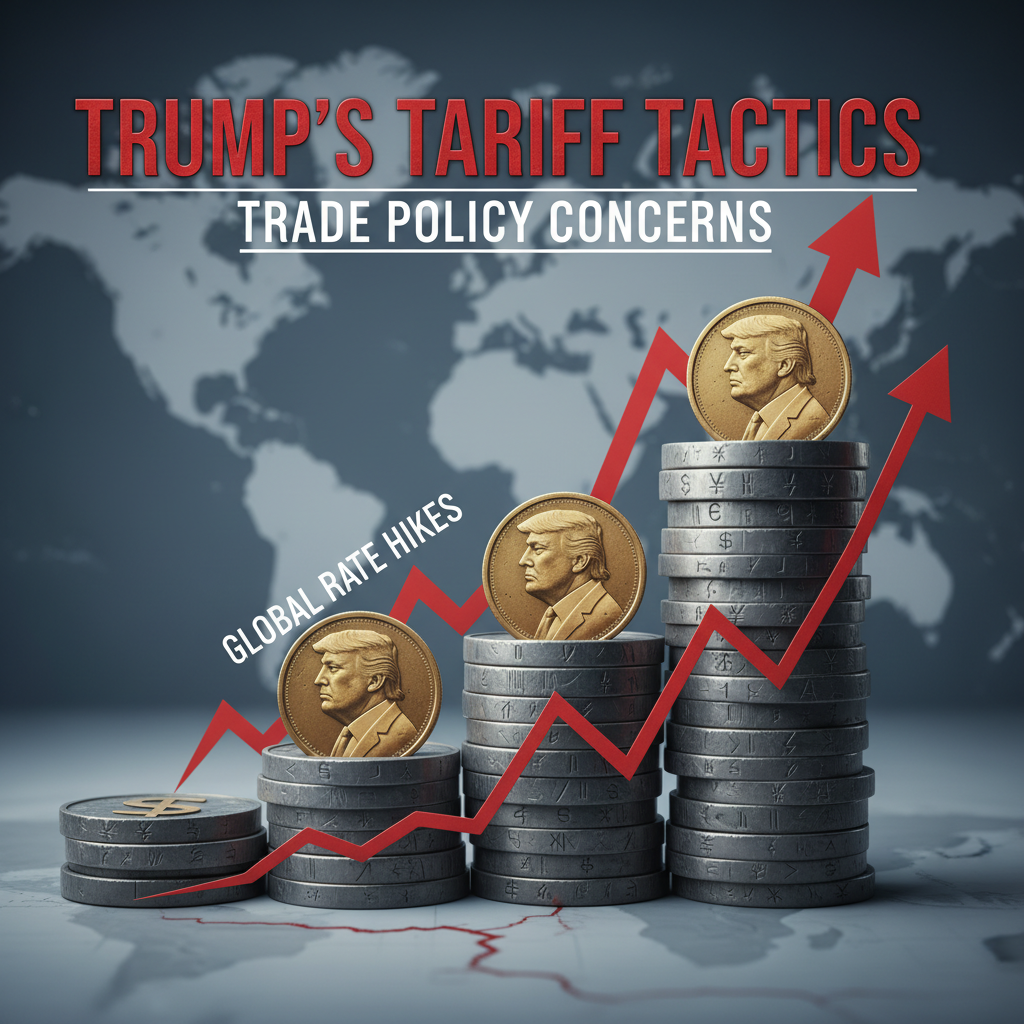
In a move that has sent ripples through the global economy, former President Trump has initiated a significant shift in US trade policy. The decision to elevate the US global tariff rate to 15% has raised immediate concerns about the potential consequences for international trade and the broader economic landscape. This action, taken under Section 122 of trade law, introduces a period of uncertainty and necessitates careful examination of its implications.
Section 122: An Untested Ground for Tariffs
The crux of this policy change lies in the utilization of Section 122, a provision that has yet to be fully tested in the realm of trade. This section permits the imposition of tariffs up to 15%, but it is not without its limitations. Perhaps the most significant constraint is the requirement for congressional approval to extend these tariffs beyond a period of 150 days. This condition sets the stage for a potential showdown between the executive and legislative branches, as the future of these tariffs hinges on the willingness of Congress to endorse the move.
The ‘what’ of this situation involves the tariffs themselves, which will affect both imports and exports, potentially reshaping the dynamics of global trade. The ‘where’ is clear: the US is the epicenter of this policy shift. The ‘how’ is through Section 122, a legal mechanism that gives the executive branch considerable, though not unlimited, power in trade matters. The ‘why’, while not explicitly stated in the context, can be inferred as a strategic move by Trump to exert influence over trade relations and potentially reshape the terms of engagement with other nations. The ‘when’ is crucial: the tariffs are initially in effect, but their long-term viability is dependent on the subsequent actions of Congress.
Potential Economic Ramifications
The imposition of higher tariffs carries a multitude of potential economic ramifications. First and foremost, such measures tend to increase the cost of imported goods, which can lead to higher prices for consumers. This, in turn, can dampen consumer spending and potentially slow down economic growth. Furthermore, retaliatory tariffs from other countries are a distinct possibility, which could further escalate trade tensions and harm US exporters. The interplay between import and export dynamics will be critical in determining the overall impact on the economy.
The negative sentiment surrounding this policy move, as indicated by the score of -0.6, reflects the concerns of economists and policymakers who anticipate potential disruptions to global trade flows. The presence of tags like ‘trade policy,’ ‘global trade,’ and ‘economy’ underscores the far-reaching nature of these concerns.
The Role of Congress and Future Implications
The involvement of Congress adds another layer of complexity to the situation. The need for congressional approval to extend the tariffs beyond the initial 150-day period injects a degree of uncertainty into the equation. The ensuing debate will likely focus on the economic benefits and drawbacks of the tariffs, as well as their broader implications for US trade relations. The outcome of this debate will determine the long-term impact of Trump’s tariff strategy. This is a critical juncture for both the US and its trading partners.
Conclusion
Trump’s decision to raise US global tariffs to 15% under Section 122 marks a pivotal moment in trade policy. The implications of this move are far-reaching and will likely reshape the landscape of global trade. The future of these tariffs hangs in the balance, contingent on congressional approval. The interplay of political, economic, and legislative forces will determine the ultimate impact of this policy shift. As the situation unfolds, it is essential to monitor the reactions of trading partners, the performance of the US economy, and the evolving dynamics of international trade. This is a story that demands close scrutiny and careful analysis.
About the Author