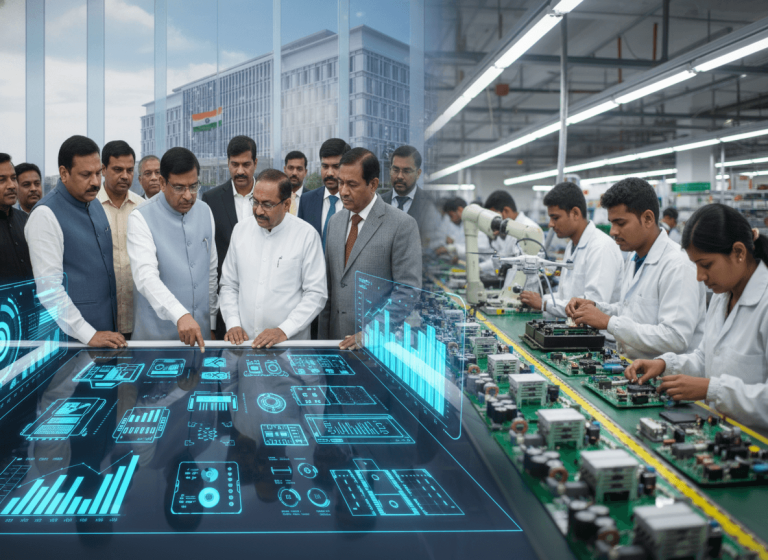
The low hum of the server room was a constant. Engineers at a Bangalore data center, heads bent over glowing screens, reviewed thermal tests for the latest AI accelerators. It was late October, and the air hung thick with the promise of the upcoming AI summit. The U.S. strategy for the Global South, it seemed, was being built one chip at a time.
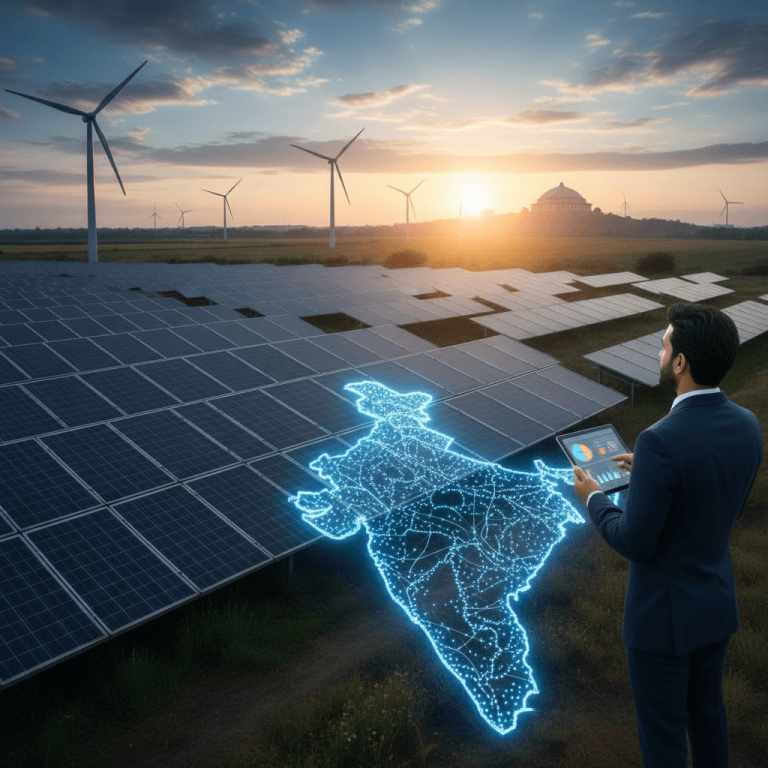
The core of the plan, as revealed at the summit, involves a massive influx of investment. The goal? To lead the Global South in technology adoption. The numbers are staggering: $250 billion in deals are in the works, alongside new supply chain partnerships designed to bypass existing bottlenecks. Tanvi Ratna, a prominent voice on technology and policy, noted the shift in focus. It’s a move away from traditional geopolitical power plays and toward a new era of technological collaboration.
The strategy is multifaceted. One key element is fostering local AI talent. U.S. firms are partnering with Indian universities and research institutions, creating training programs and research grants. This is about more than just coding; it’s about building the infrastructure for innovation. Another is the push for localized manufacturing. With supply chains strained and export controls tightening, the U.S. is encouraging companies to establish AI chip fabrication plants and component assembly facilities in India. The aim is to create a self-sustaining ecosystem that can withstand external shocks.
“It’s a bold move, but it’s also a necessary one,” said Rajeev Chand, a senior analyst at a leading tech research firm, during a call. “The U.S. understands that the future of AI isn’t just about what happens in Silicon Valley; it’s about who controls the flow of technology and talent across the globe.”
The shift is also about countering China’s growing influence. Beijing has been aggressively pursuing its own AI ambitions, investing heavily in domestic chip manufacturing and AI research. SMIC, China’s largest chipmaker, is rapidly expanding its capacity, while TSMC, the Taiwanese giant, remains the dominant player globally. The U.S. strategy is, in part, a response to these dynamics. Washington hopes to create a counterweight, building alliances and fostering innovation in countries like India.
But there are challenges ahead. Supply chain issues persist. Export controls could limit access to critical components. And India, like other countries in the Global South, faces infrastructure constraints. The success of this strategy hinges on the ability of the U.S. and its partners to overcome these hurdles. It’s a long game, measured not just in quarterly earnings, but in the slow, steady build of a new technological order.
The engineers in Bangalore, oblivious to the macro-level machinations, kept their focus on the thermal readouts. The future of AI, it seemed, was in the details.
About the Author