Holi Trade Poised for Record Growth, Championing Indian-Made Products
The vibrant festival of Holi is not only a celebration of colors and joy, but also a significant economic driver. According to industry projections, the Holi trade is expected to surge, potentially crossing Rs 80,000 crore by 2026. This optimistic outlook is largely attributed to a notable shift in consumer preferences, particularly the increasing demand for Indian-made products.
“Vocal for Local” Movement Fuels Market Transformation
A key factor behind this burgeoning market trend is the “Vocal for Local” initiative, championed by Prime Minister Narendra Modi. This movement encourages the use and promotion of products manufactured within India. The impact of this appeal is clearly visible in the Holi markets, where Indian-made goods are taking center stage. Praveen Khandelwal, a key figure in the industry, has noted the significant impact of this shift.
Indian-Made Products Gain Dominance
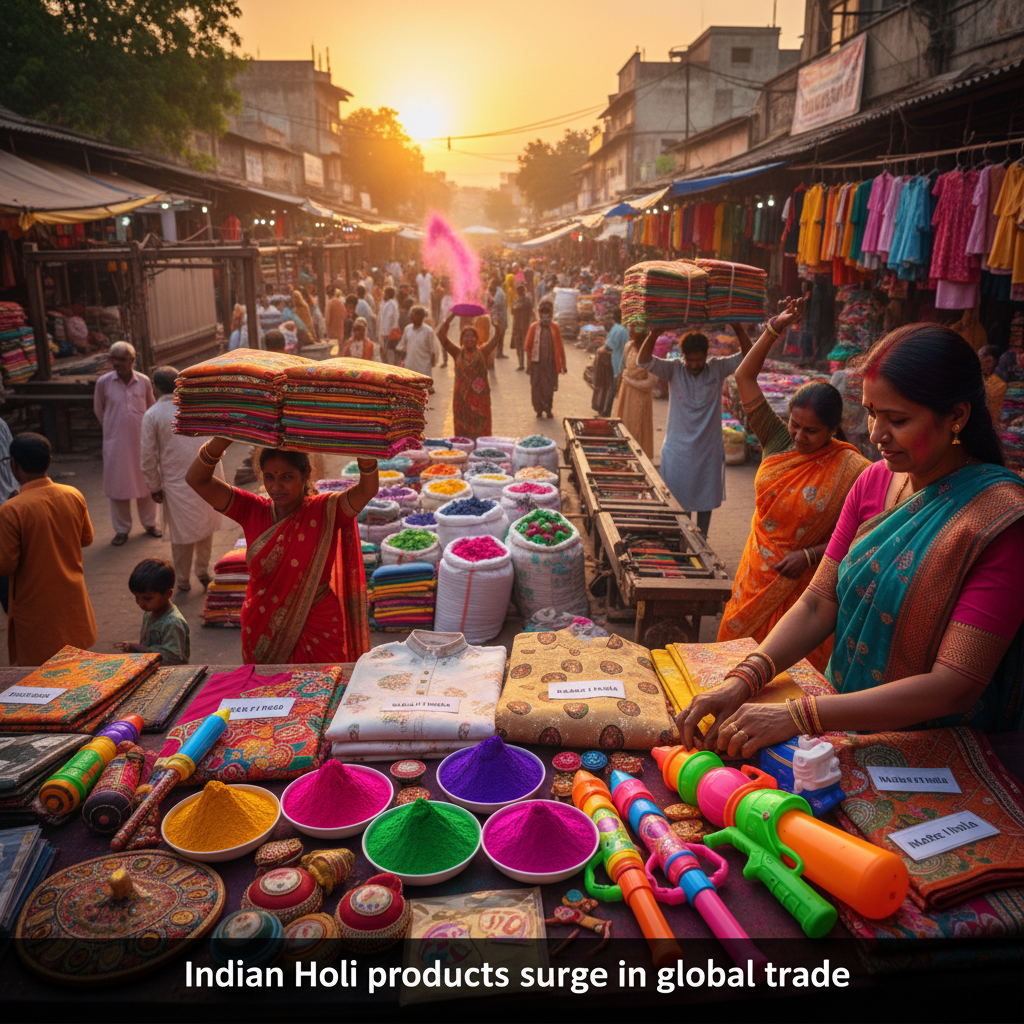
The market landscape has undergone a considerable transformation since 2021. The dominance of Chinese goods has significantly waned, making way for a surge in demand for locally produced items. The array of Indian-made products is extensive, ranging from traditional to contemporary festive items:
- Herbal Gulal and Natural Colors: Eco-friendly options are gaining popularity.
- Pichkaris and Balloons: Classic Holi essentials made in India.
- Pooja Materials and Sandalwood: Traditional items used in Holi celebrations.
- Apparel and Festive Items: Clothing and accessories designed for the festival.
The emphasis on local manufacturing not only boosts the Indian economy but also supports local businesses and artisans. This shift aligns with the broader goal of self-reliance and economic empowerment within India.
The Economic Impact and Future Outlook
The projected growth in the Holi trade suggests a robust economic impact. The increasing demand for Indian-made products will likely stimulate local production, create jobs, and contribute to the overall economic growth of the country. This trend reflects a broader shift towards supporting domestic industries and reducing dependence on foreign imports.
The success of the “Vocal for Local” campaign and the projected growth in the Holi trade highlight the evolving dynamics of the Indian market. As consumers increasingly embrace Indian-made products, the future looks bright for local manufacturers and the Indian economy as a whole. This shift not only celebrates the spirit of Holi but also underscores the importance of supporting local businesses and fostering economic self-reliance.
Source: Industry-Economic Times
About the Author