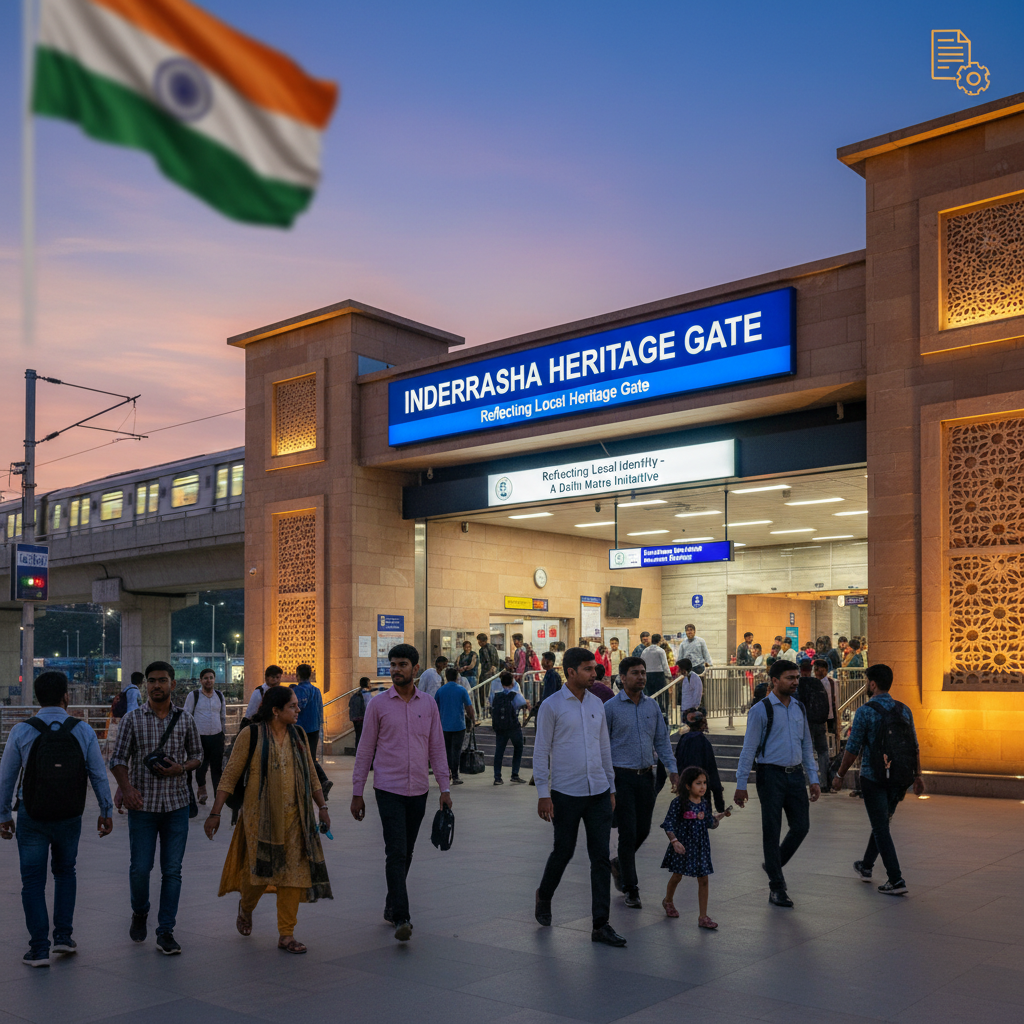
Delhi Metro Stations Get a Makeover: Renaming Reflects Local Identity
In a move reflecting the evolving urban landscape and a nod to local sentiment, the Delhi’s State Names Authority has undertaken a comprehensive renaming and modification initiative for several metro stations. This policy change, reported by the Industry-Economic Times, highlights the government’s commitment to aligning public infrastructure with the cultural and historical nuances of the city.
A Shift in Nomenclature: What Changed?
The authority, after considering proposals for a total of 21 stations, has finalized changes to the names of nine stations. Specifically, two stations have been entirely renamed, while the names of seven others have been modified. This process underscores the dynamic nature of urban development, where public infrastructure adapts to better serve and represent the communities it supports. According to Chief Minister Rekha Gupta, these changes are a direct response to public sentiment and a means of incorporating local identities into the city’s infrastructure.
Why the Changes? Public Sentiment and Local Identity
The core motivation behind the renaming and modification of these metro stations is to better reflect public sentiment and integrate local identities. The decision-making process involved careful deliberation, with the authority taking into account the historical and cultural significance of each location. This approach ensures that the changes are not merely cosmetic but rather meaningful representations of the areas they serve. Many stations now feature dual names, effectively incorporating local area names to enhance recognition and relevance for commuters.
Key Takeaways from the Policy Shift:
- Reflecting Public Sentiment: The changes are a direct response to the needs and preferences of Delhi’s residents.
- Incorporating Local Identities: The new names and modifications celebrate the cultural heritage of the areas.
- Careful Deliberation: The authority considered historical and cultural significance when making these changes.
The Broader Implications: Policy, Sectors, and Urban Development
This initiative falls under the broader umbrella of policy changes within the sectors of transportation and urban development. By renaming and modifying metro stations, the government aims to create a more inclusive and representative public space. The move also highlights the importance of incorporating local voices into urban planning and the ongoing effort to balance modernization with the preservation of cultural identity.
The Delhi metro system plays a crucial role in the city’s infrastructure, and these changes are a testament to the ongoing efforts to improve the commuter experience. It is a clear example of how the government is working to ensure that public infrastructure reflects the evolving needs and values of the communities it serves.
The Delhi’s State Names Authority’s commitment to carefully considering proposals and incorporating local elements sets a precedent for future projects. This approach ensures that the city’s infrastructure continues to evolve in a way that is both functional and culturally sensitive.
About the Author