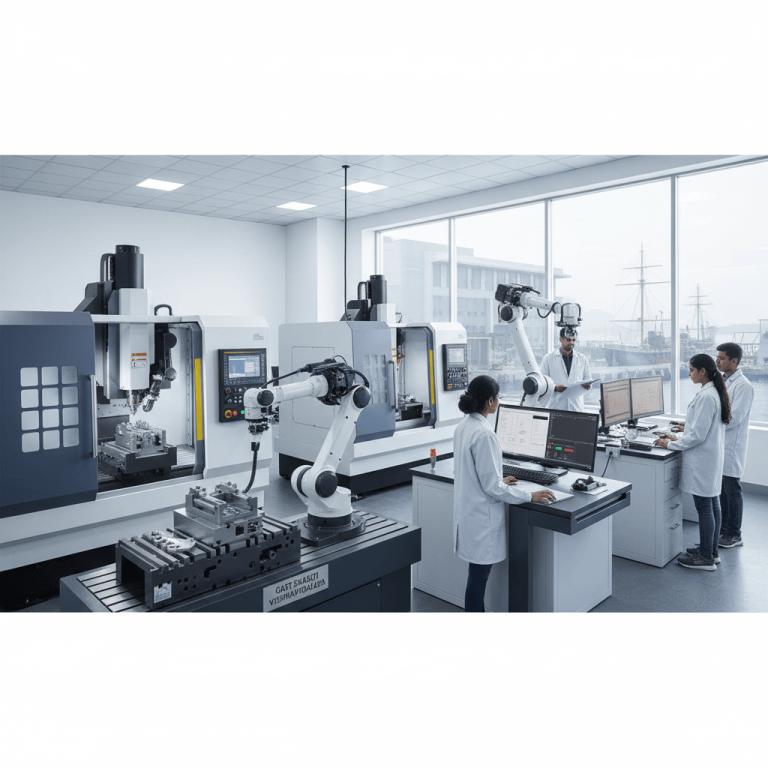
The hum of servers filled the air as engineers at NeuralWave, a leading Chinese BCI company, reviewed thermal tests. It was late 2025, and the team was racing to finalize the M300 chip, slated for release in early 2026. The pressure was on; Beijing had made it clear: this was a strategic priority.
China’s brain-computer interface (BCI) industry is undergoing a rapid transformation, moving from research to commercial applications. This surge is fueled by strong government backing, increased investment, and expanding clinical trials. The goal? To become a global leader in the field.
“The policy support is unlike anything we’ve seen,” noted Dr. Chen Li, a leading BCI analyst at the Shanghai Institute of Technology. “It’s not just funding; it’s streamlining approvals, fostering collaboration, and creating a robust domestic market.”
The stakes are high. BCI technology promises revolutionary applications in healthcare, from treating neurological disorders to enhancing cognitive function. Beyond medicine, the technology could revolutionize human-computer interaction, creating new opportunities in gaming, education, and other sectors. But the path is complex, and the challenges are significant.
The M300 chip, designed for high-bandwidth neural data transmission, is a key component of NeuralWave’s strategy. The company is projecting sales of $500 million by 2027, a figure that analysts like Dr. Li believe is ambitious, but achievable, given the current momentum. The reliance on domestic manufacturing, however, presents a challenge; SMIC, the primary chip manufacturer, faces limitations compared to TSMC. Export controls on key components from the US add another layer of complexity.
The Chinese government’s commitment is evident in the scale of clinical trials. Hundreds of patients are already participating in trials across the country. Companies like NeuralWave and others are working to secure regulatory approvals for their devices. The goal is to get their devices into the hands of consumers.
“We’re seeing a shift from ‘can we do it?’ to ‘how fast can we scale?'” said a NeuralWave executive during a recent industry conference. The mood was optimistic, even if the supply chain was a constant concern.
The BCI industry’s growth is attracting significant investor interest. Venture capital firms are pouring money into startups, and established tech giants are making strategic acquisitions. But the risks are also substantial. Regulatory hurdles, ethical concerns, and the need for continuous technological innovation mean that only the most resilient companies will succeed.
The race to commercialize BCI technology is heating up. China’s ambitious goals, coupled with strong government support and a growing pool of skilled engineers, position the country to become a major player. But the path to success will be paved with challenges.
About the Author