Trump’s New Tariffs: A 10% Levy and Its Impact on India’s Trade
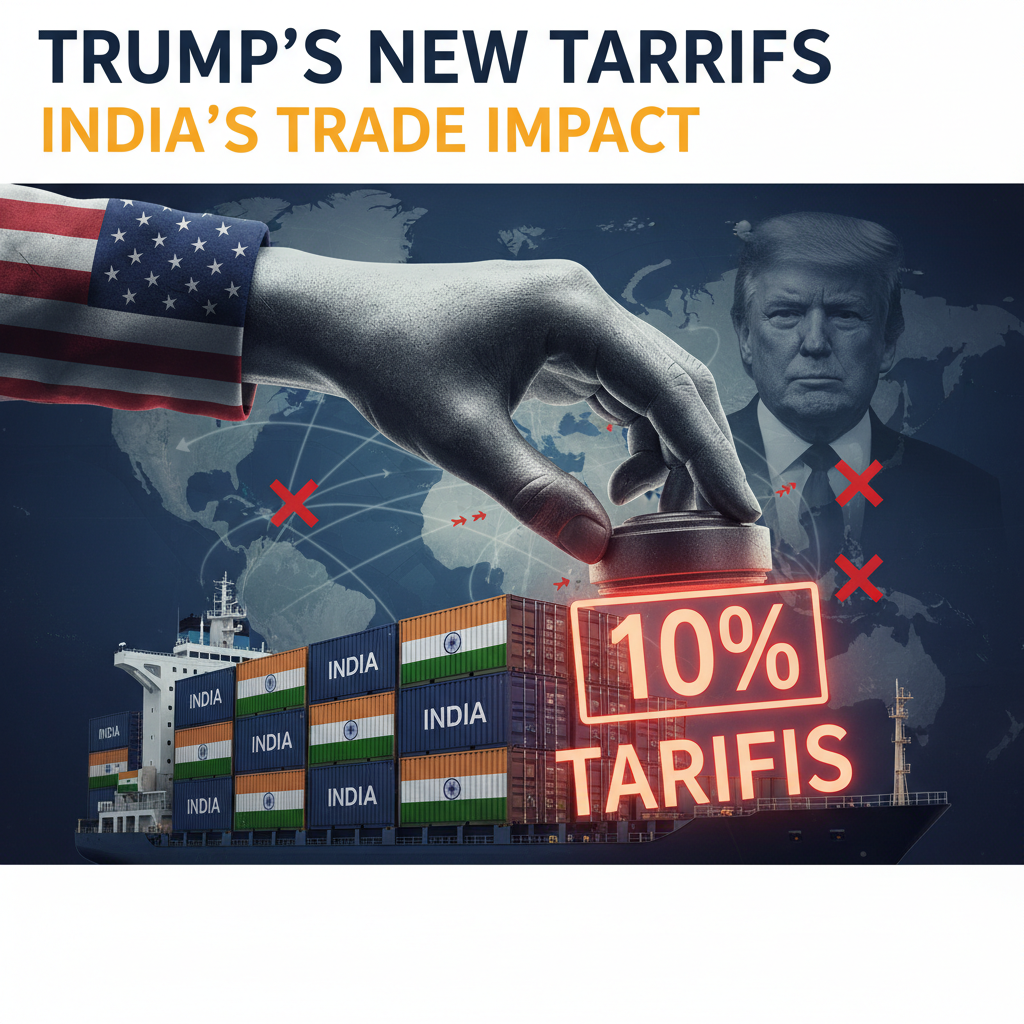
In a move that has significant implications for global trade, President Trump has issued a proclamation introducing a new import tariff of 10%. This development, as reported by ET Manufacturing, follows a Supreme Court decision that deemed earlier tariffs illegal. The temporary nature of this levy, set to last for 150 days, presents a dynamic situation for India and its trade relations.
The Context: Supreme Court Ruling and Policy Shift
The imposition of this new tariff rate of 10% comes in the wake of a legal challenge. The Supreme Court’s ruling against the previous tariff structures necessitated a policy adjustment. This shift underscores the importance of legal frameworks in shaping international trade policies. The temporary nature of the new levies suggests a period of transition and potential renegotiation of trade terms.
Impact on India and Trade Agreements
India, a key player in global trade, is directly affected by these changes. While the specific details of how existing trade agreements will be adjusted remain to be seen, the fundamental structure of these agreements remains in place. This includes adjustments to tariff structures. This situation requires careful monitoring and strategic adaptation by Indian businesses and policymakers. The temporary nature of the tariffs allows for a window of opportunity to assess the long-term impact and negotiate favorable terms.
The proclamation of these new levies represents a significant shift in trade policy. The Supreme Court decision played a pivotal role in prompting this change. The 10% import tariff is a temporary measure. The duration of 150 days allows for a period to reassess and strategize. This situation requires close attention from stakeholders involved in international trade. The impact will be felt across various sectors, necessitating proactive measures and strategic adjustments.
Key Takeaways and Future Implications
The introduction of the 10% import tariff by President Trump, following a Supreme Court decision, highlights the volatility and evolving nature of trade policies. The fact that the new levy is temporary suggests that further changes could be on the horizon. For India, this situation necessitates a proactive approach. This includes understanding the specific implications for various sectors, engaging in strategic negotiations, and adapting to the changing tariff structures. The temporary nature of the tariff offers a window for strategic planning. The focus will be on maintaining and optimizing trade relations.
The key takeaways include: the Supreme Court decision; the temporary 10% import tariff; and the impact on existing trade agreements with India. The implications of this policy shift are far-reaching. The 150-day duration calls for strategic planning. President Trump’s actions will be closely observed by global trade partners.
Conclusion
The recent changes in tariff policies, driven by legal and political factors, underscore the dynamic nature of international trade. The 10% import tariff, though temporary, will undoubtedly influence trade flows and require strategic adjustments from countries like India. The next 150 days will be a critical period for assessing the long-term implications and adapting to the evolving landscape of global trade. The situation demands careful monitoring and proactive engagement from all stakeholders.
Source: Top ET Manufacturing | Latest Manufacturing News : ETManufacturing.in
About the Author