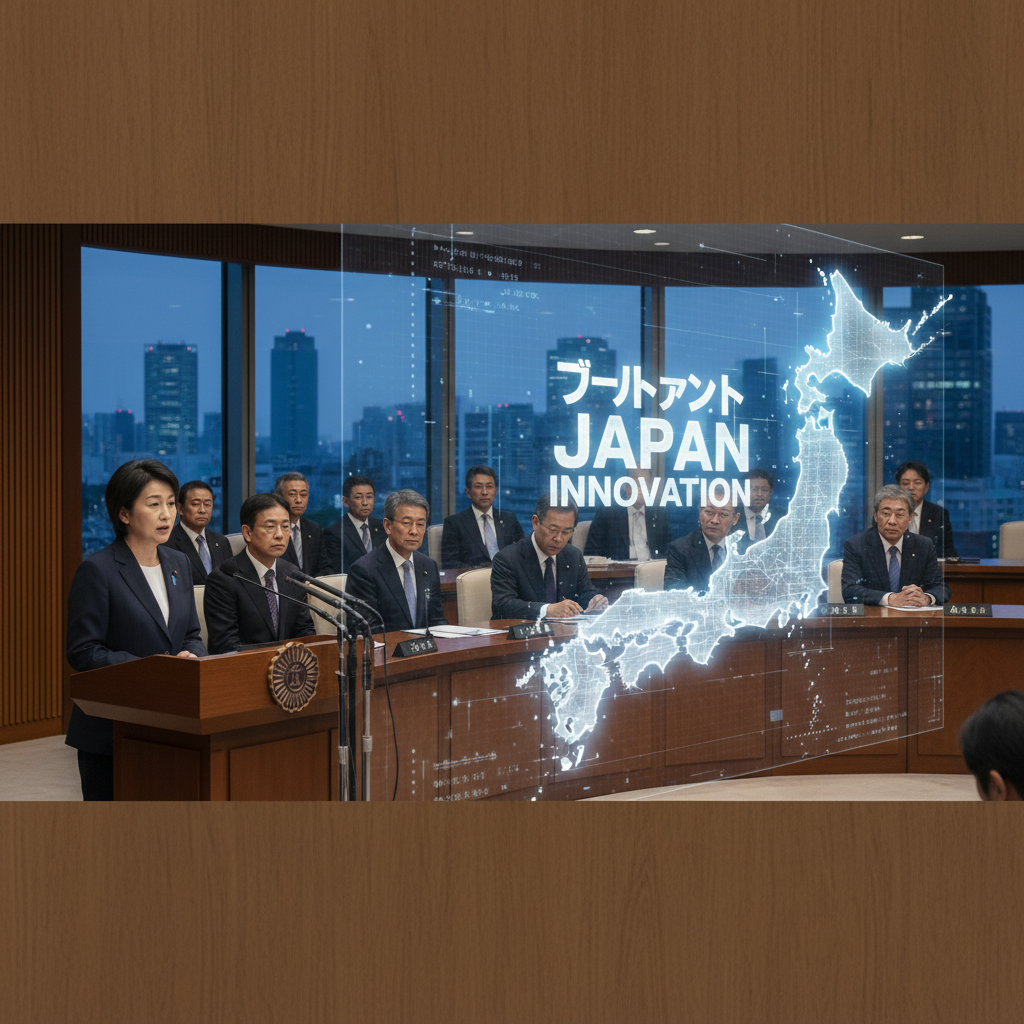
Takaichi’s ‘Brand Name’ and the Japanese Cabinet: A Policy Perspective
The nexus of politics, branding, and public perception forms the core of a recent discussion sparked by an article in 朝日新聞 (Asahi Shimbun). The focus is on Takaichi and her relationship with the Cabinet, specifically examining the potential implications of her ‘brand name’ on policy and the broader political landscape in Japan. This analysis aims to dissect the complexities of political branding and its impact on the Cabinet’s image and effectiveness.
The Power of a ‘Brand Name’ in Politics
In contemporary politics, a politician’s ‘brand’ is often as crucial as their policy platform. It encapsulates their public image, values, and the narrative they construct around themselves. The concept of a ‘brand name’ in this context refers to the public recognition and association of a politician with specific ideas, qualities, or even emotional responses. This association, whether positive or negative, can significantly influence public opinion and, consequently, policy outcomes.
Takaichi’s presence and the way she is perceived within the Cabinet are thus subject to scrutiny. The article in 朝日新聞 (Asahi Shimbun) implicitly suggests that Takaichi’s personal brand might be influencing how the Cabinet is viewed, raising questions about whether this is a deliberate strategy or an unintended consequence of her public persona.
Analyzing the Impact on the Cabinet
The primary concern is how Takaichi’s ‘brand’ affects the Cabinet’s overall image and the effectiveness of its policies. Several factors come into play:
- Public Perception: Does Takaichi’s brand enhance or detract from the Cabinet’s public image? A strong positive association could boost the Cabinet’s approval ratings, while a negative association could lead to public distrust.
- Policy Implementation: How does Takaichi’s brand influence the public’s acceptance of the Cabinet’s policies? If her brand is closely linked to specific policies, it could either facilitate or hinder their implementation.
- Political Capital: Does Takaichi’s brand contribute to the Cabinet’s political capital, or does it divert attention away from collective goals? A strong personal brand could potentially overshadow the Cabinet’s collective achievements.
These questions highlight the intricate relationship between individual branding and the collective identity of a governing body. The analysis of these elements is critical for understanding the Cabinet’s ability to govern effectively.
The Broader Implications for Japanese Politics
The discussion surrounding Takaichi’s ‘brand name’ and the Cabinet extends beyond immediate policy concerns, touching on broader aspects of Japanese politics. The focus on individual branding may reflect a shift in the political culture, where personal charisma and image often play a more prominent role. This shift could impact the way political campaigns are conducted, the types of leaders who emerge, and the overall dynamics of political discourse.
Furthermore, the debate raises questions about the transparency and accountability of government. If the Cabinet’s image is heavily influenced by individual brands, it becomes essential to scrutinize the strategies and motivations behind these brand-building efforts. This scrutiny is necessary to ensure that the focus remains on serving the public interest rather than promoting personal agendas.
Conclusion
The examination of Takaichi’s ‘brand name’ within the context of the Cabinet provides valuable insights into the evolving nature of Japanese politics. The analysis, as initiated by 朝日新聞 (Asahi Shimbun), highlights the intricate interplay between individual branding, public perception, and policy outcomes. By understanding these dynamics, policymakers, political analysts, and the public can better assess the effectiveness and accountability of the government. The ongoing discourse serves as a reminder of the importance of maintaining transparency and focusing on the collective goals of governance.
Source: 朝日新聞 (Asahi Shimbun)
About the Author